
What is aluminum coil and sheet scrap?
Aluminum coil and sheet scrap includes trim strips, stamped blanks, rejected panels, coated sheet, slit coil and fabrication offcuts. These lightweight materials can occupy substantial storage space and may spring back, tangle or shift during handling.
Sort aluminium scrap before baling
Keep known aluminum alloys separate when required by the recycler or remelting route. Remove steel fasteners, plastic film, paper, oil, dirt and excessive moisture. Painted or coated sheet should be identified because surface treatments can affect downstream acceptance.
Hydraulic baling of aluminum sheet and coil scrap
A hydraulic metal baler compresses prepared aluminum sheet and strip into dense transportable packages. Chamber dimensions, compression force, feeding method and bale discharge should be selected from the real scrap size, bulk density, required throughput and target bale dimensions.
Finished bale quality and storage
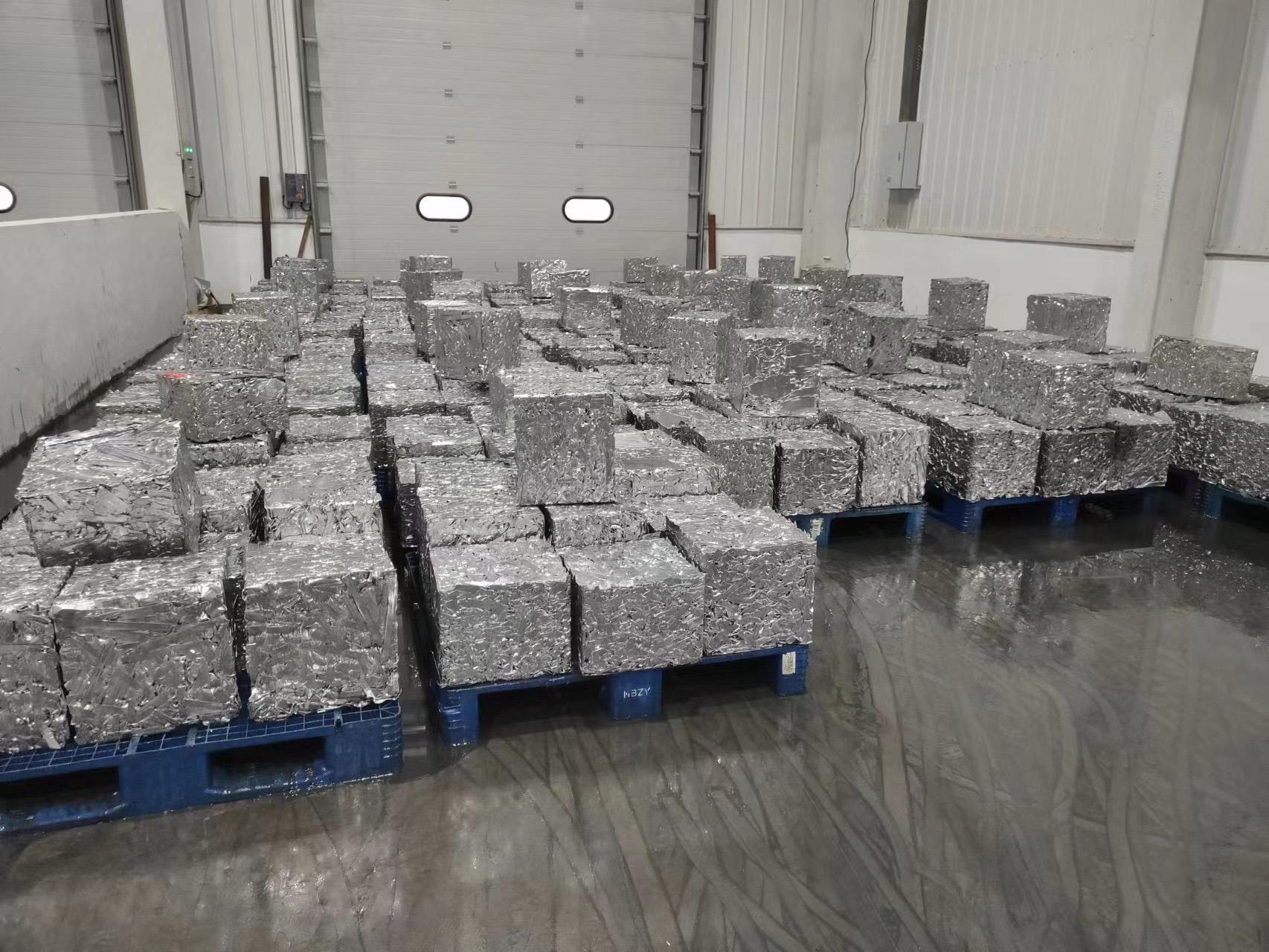
Stable aluminum scrap bales are easier to count, weigh, label, stack and transport than loose sheet. Bale density and shape depend on alloy, thickness, piece geometry, loading consistency and machine settings. Store finished units on stable ground and retain batch identification.
How to select an aluminum scrap baler
Equipment selection should be based on representative material rather than pressure rating alone. Jiangyin Deshang reviews alloy and coating, maximum piece dimensions, loose bulk density, hourly or daily volume, loading method, target bale size, site voltage and available floor space before recommending a configuration.
Aluminum coil and sheet scrap baling FAQ
Can painted aluminum sheet and clean sheet be baled together?
Only if the downstream specification accepts the combined material. Identify paint, coatings, films and alloy families before loading, and separate production streams where required. Baling does not remove surface treatments. Keep each bale traceable to its source so the receiving recycler can assess the material it actually contains.
Does aluminum coil scrap need preparation before baling?
Slit coil, long trim and large panels may need an approved size-preparation stage to fit fully inside the chamber. Their spring-back and tendency to nest should be evaluated with real pieces. A chamber that accepts small sheet offcuts may not suit long coiled strip, even at the same daily tonnage.
What determines capacity for lightweight aluminum sheet scrap?
Loose density, panel dimensions, strip entanglement and the loading method affect how much material reaches each compression cycle. Confirm output by weighing accepted bales during a representative run that includes replenishment and discharge. Keep loading time visible rather than deriving hourly production solely from the hydraulic cycle or rated force.
How should aluminum sheet bale quality be accepted?
Agree on bale dimensions, weight range and handling stability with the buyer before the trial. Inspect representative bales after normal discharge and transport within the site, and retain the tested alloy and thickness information. A visually regular block alone does not establish density, absence of coatings or acceptance for a particular furnace.
What maintenance issues can aluminum trim introduce?
Long trim or loose film can remain around loading and discharge areas, so the inspection plan should cover these locations and chamber condition. Follow the manufacturer's approved cleaning and isolation procedures. Repeated snagging is a reason to review strip length and preparation, not to routinely clear material while the machine is operating.