
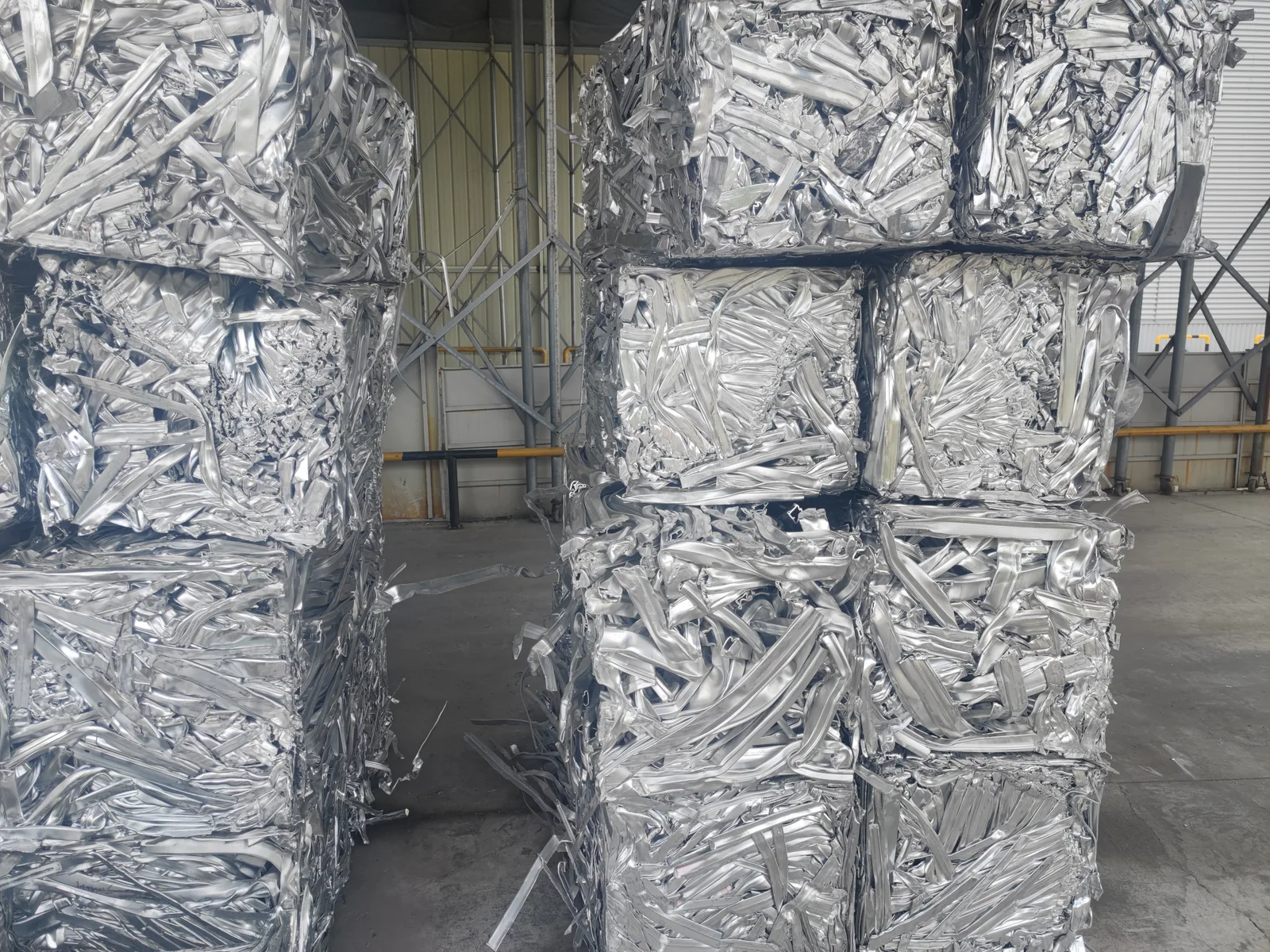
What is aluminum extrusion scrap?
aluminum extrusion scrap includes window profiles, extrusion offcuts and rejected aluminum sections. The value and processing route depend on grade, physical form, contamination and the receiving recycler or smelter specification.
How should aluminum extrusion scrap be prepared?
Remove steel screws, thermal breaks, rubber, plastic film and other attachments, and separate known alloy groups when required.
Baling or briquetting changes the package form; it does not purify mixed scrap. Confirm the accepted grade and contamination limits with the downstream buyer.
Recommended processing route
Long profiles may need shearing before hydraulic baling into transportable packages.
The safest and most economical route can include sorting, draining, cutting, shearing, screening, baling or briquetting. The sequence must match the actual material rather than a generic material name.
How to select suitable equipment
Provide profile length, section size, wall thickness, attachments and target bale dimensions. Also confirm loading method, site voltage, available floor space, shift pattern and the required discharge arrangement.
Capacity, density and package dimensions are project-specific and should be verified through technical review or a representative material test.
Frequently asked questions
When should aluminum profiles be sheared before baling?
Shearing is considered when profile length, cross-section or bent shape prevents complete loading into the approved chamber. Wall thickness and nested bundles also affect the preparation choice. Review the largest normal profiles and the selected handling equipment, then confirm both cutting suitability and bale formation rather than choosing from overall tonnage alone.
Can window profiles be baled with thermal breaks and screws attached?
Only if the machine specification and downstream buyer accept those attachments; otherwise they need appropriate separation before baling. Identify steel screws, thermal breaks, rubber, film and coatings during material review. Compression does not remove them, and known extrusion alloys should remain separately identified when the recycler requires grade-specific feed.
How is extrusion-scrap baling output established?
Run representative profile lengths, sections and permitted bundles through the intended preparation and loading process. Measure accepted bale output over full cycles and record cutting, handling and discharge delays. Keep the tested wall-thickness and geometry range in the acceptance record so the result is not applied to substantially heavier or more tangled profiles.
What maintenance should be planned for an extrusion baling line?
Include any shear blades, chamber wear surfaces and discharge guides in the supplier's material-specific inspection plan. Repeated snagging from long profiles or loose attachments should prompt a preparation review. Blade servicing and chamber access require the approved energy-isolation and safe-access procedure; operators should not bypass guards to reposition trapped profiles.