
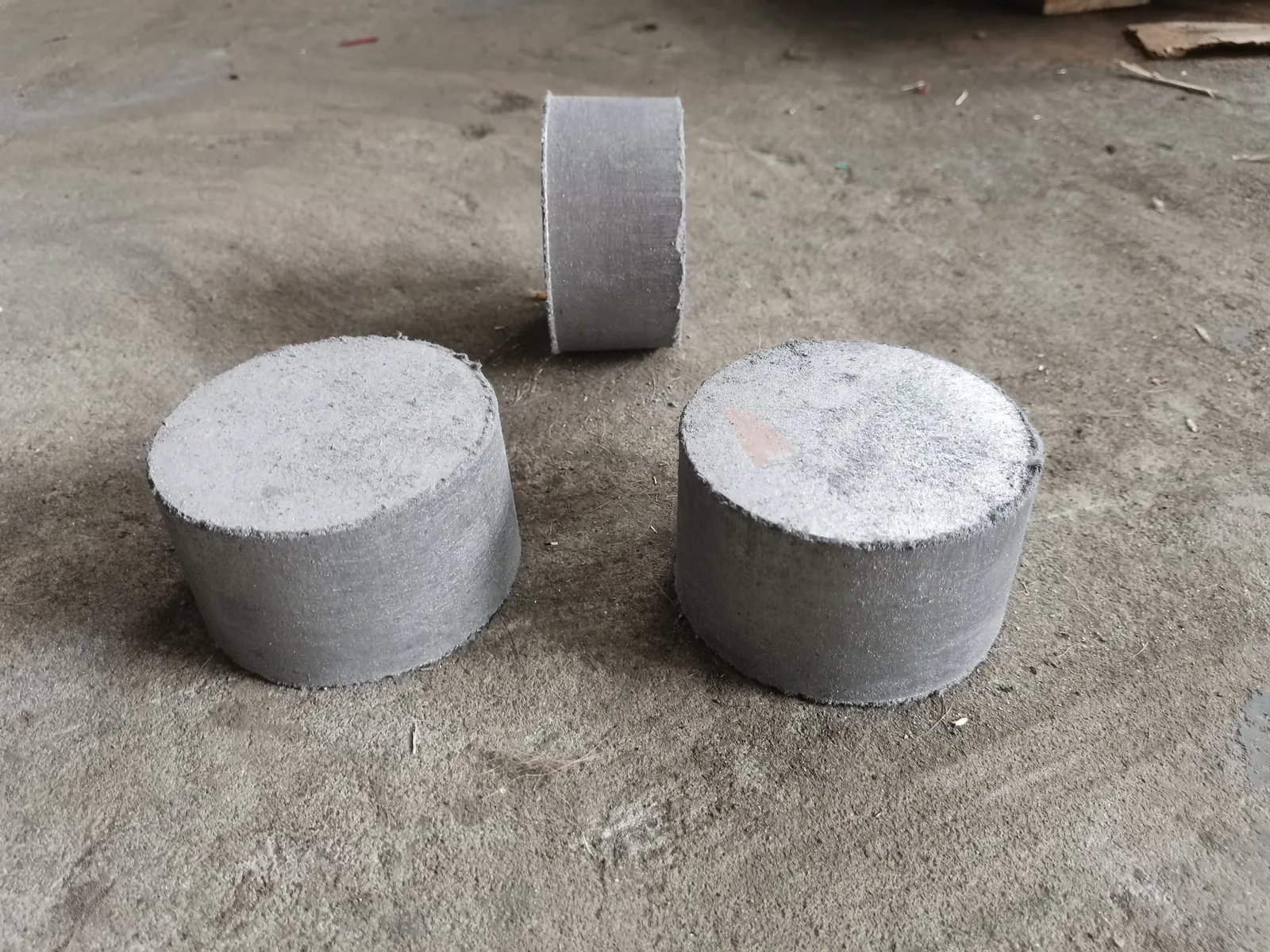
What is aluminum powder residue?
aluminum powder residue includes fine aluminum powder, dust and process residue. The value and processing route depend on grade, physical form, contamination and the receiving recycler or smelter specification.
How should aluminum powder residue be prepared?
Treat fine aluminum powder as a potentially combustible dust: identify particle size, oxidation, moisture and contamination before any test or transfer.
Baling or briquetting changes the package form; it does not purify mixed scrap. Confirm the accepted grade and contamination limits with the downstream buyer.
Recommended processing route
Do not apply a standard baling or briquetting route without a documented combustible-dust and fire-risk assessment by qualified specialists.
The safest and most economical route can include sorting, draining, cutting, shearing, screening, baling or briquetting. The sequence must match the actual material rather than a generic material name.
How to select suitable equipment
Provide particle size, dust explosibility data, moisture, chemical state, collection method and local safety requirements. Also confirm loading method, site voltage, available floor space, shift pattern and the required discharge arrangement.
Capacity, density and package dimensions are project-specific and should be verified through technical review or a representative material test.
Frequently asked questions
Can aluminum powder residue be compacted in a standard briquetting press?
Not without a documented material-specific hazard review and a system approved for the identified conditions. Fine aluminum can present combustible-dust hazards, and a successful chip application does not establish powder suitability. Qualified specialists must assess the material, transfer method and complete process before any equipment selection, sample handling or trial.
What information is needed before evaluating aluminum powder?
The review needs the process source, particle-size distribution, chemical state, moisture, contamination and available hazard data, including relevant dust-test information. Powders with different origins should not be assumed equivalent. Sampling and transfer arrangements must also be approved by the responsible specialists; an ordinary loose sample is not an appropriate starting assumption.
Does wetting or drying aluminum powder make it safe to process?
Neither should be treated as a universal safety measure. Moisture, fluid chemistry and changes during storage or treatment require material-specific assessment. Do not improvise wetting, drying or blending to fit a standard machine. The approved process and handling limits must be defined by qualified specialists before a compaction proposal proceeds.
How can capacity be confirmed for an approved aluminum-powder process?
Capacity testing comes only after the hazard review, suitable equipment and trial protocol are approved. Use a controlled representative sample and assess safe feeding, containment and accepted output within that protocol. A conventional chip-press rating or an unreviewed dry-powder trial cannot establish either safe suitability or reliable production capacity.
What maintenance rules apply to aluminum-powder handling equipment?
Maintenance and housekeeping must follow the specialist-approved process, including the equipment specified for the actual powder hazards. Dust residues, filters and collected material are part of that review, not ordinary scrap cleanup. Do not substitute routine shop cleaning methods; trained personnel need the defined isolation, access and residue-handling procedures.