
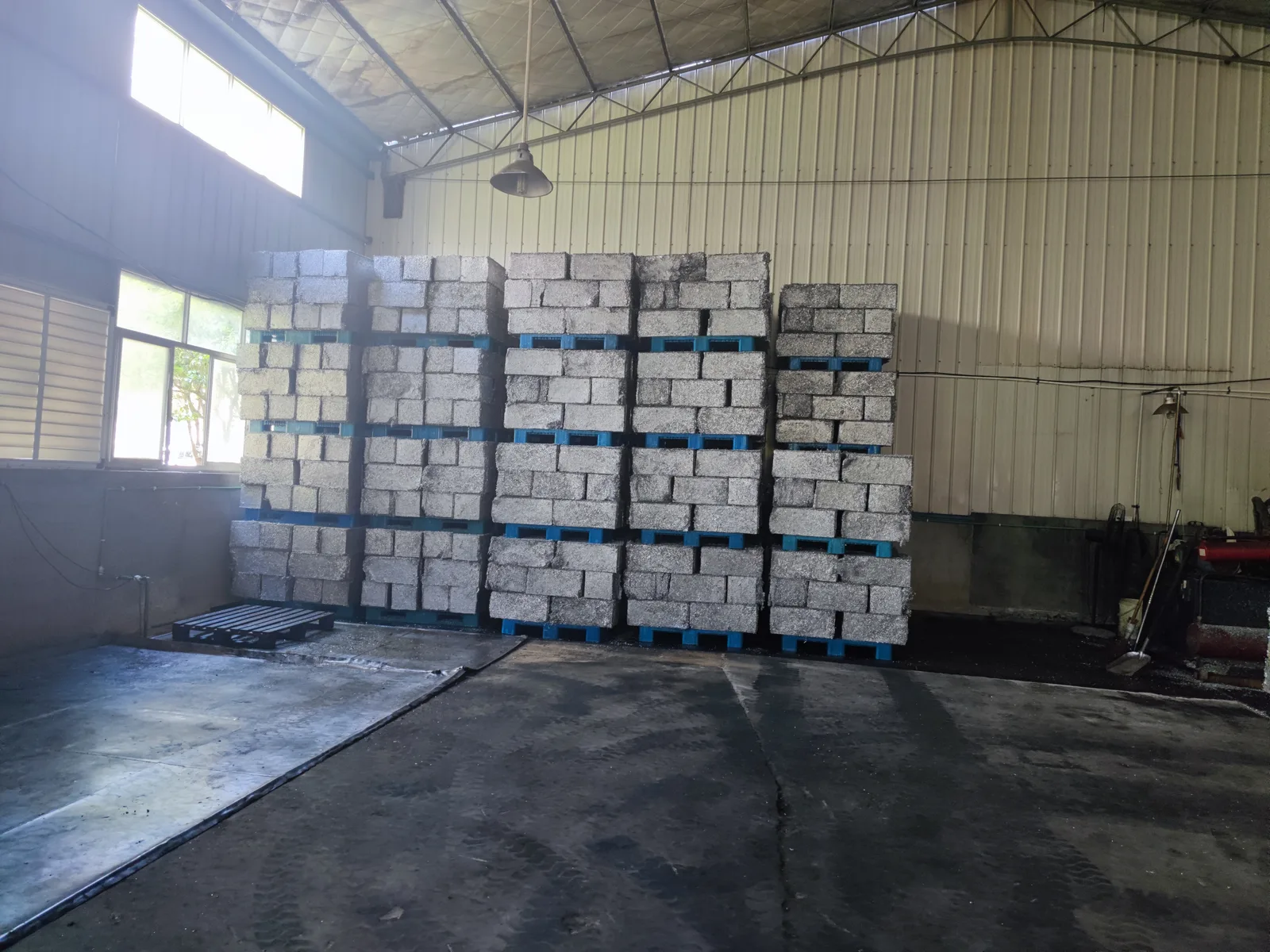
What is aluminum turnings?
aluminum turnings includes curled aluminum turnings, shavings and machining swarf. The value and processing route depend on grade, physical form, contamination and the receiving recycler or smelter specification.
How should aluminum turnings be prepared?
Separate alloys, break up long nests and remove steel, plastic and excess coolant before controlled feeding.
Baling or briquetting changes the package form; it does not purify mixed scrap. Confirm the accepted grade and contamination limits with the downstream buyer.
Recommended processing route
Hydraulic briquetting can reduce loose volume and create consistent units when the turnings are suitable and safely prepared.
The safest and most economical route can include sorting, draining, cutting, shearing, screening, baling or briquetting. The sequence must match the actual material rather than a generic material name.
How to select suitable equipment
Provide turning length, spring-back, bulk density, residual fluid and target briquette output. Also confirm loading method, site voltage, available floor space, shift pattern and the required discharge arrangement.
Capacity, density and package dimensions are project-specific and should be verified through technical review or a representative material test.
Frequently asked questions
Why do long aluminum turnings sometimes need a separate preparation stage?
Curled ribbons and nests may not enter a metering system consistently, even when the press can compact short aluminum chips. Evaluate turning length, spring-back, loose density and fines before choosing preparation equipment. Any size-reduction stage must be reviewed for the material hazards as well as its ability to provide a controlled feed.
Can aluminum turnings from different machining jobs be combined?
Only when the receiving specification accepts the alloy mixture and the process is approved for the resulting feed. Keep steel, plastic and incompatible contaminants out of the stream, and quantify coolant or oil. Changing alloy source, turning shape or fines content can require a fresh suitability review rather than simply continuing existing settings.
How should briquetting capacity be tested for aluminum turnings?
Use the normal range of curls and nests after the agreed preparation stage, with representative residual fluid. Measure accepted briquette output during sustained feeding and discharge, and record interruptions. Include preparation capacity separately so a press result does not overstate line output when handling tangled material is the limiting step.
What should be reviewed when aluminum turnings repeatedly jam the feeder?
First compare the current turning geometry and loose density with the approved feed specification. The supplier should review the preparation and feeder arrangement as well as mechanical condition. Clearing a jam requires the specified safe isolation procedure, and any accumulated fine aluminum must be handled under the material-specific hazard controls.