
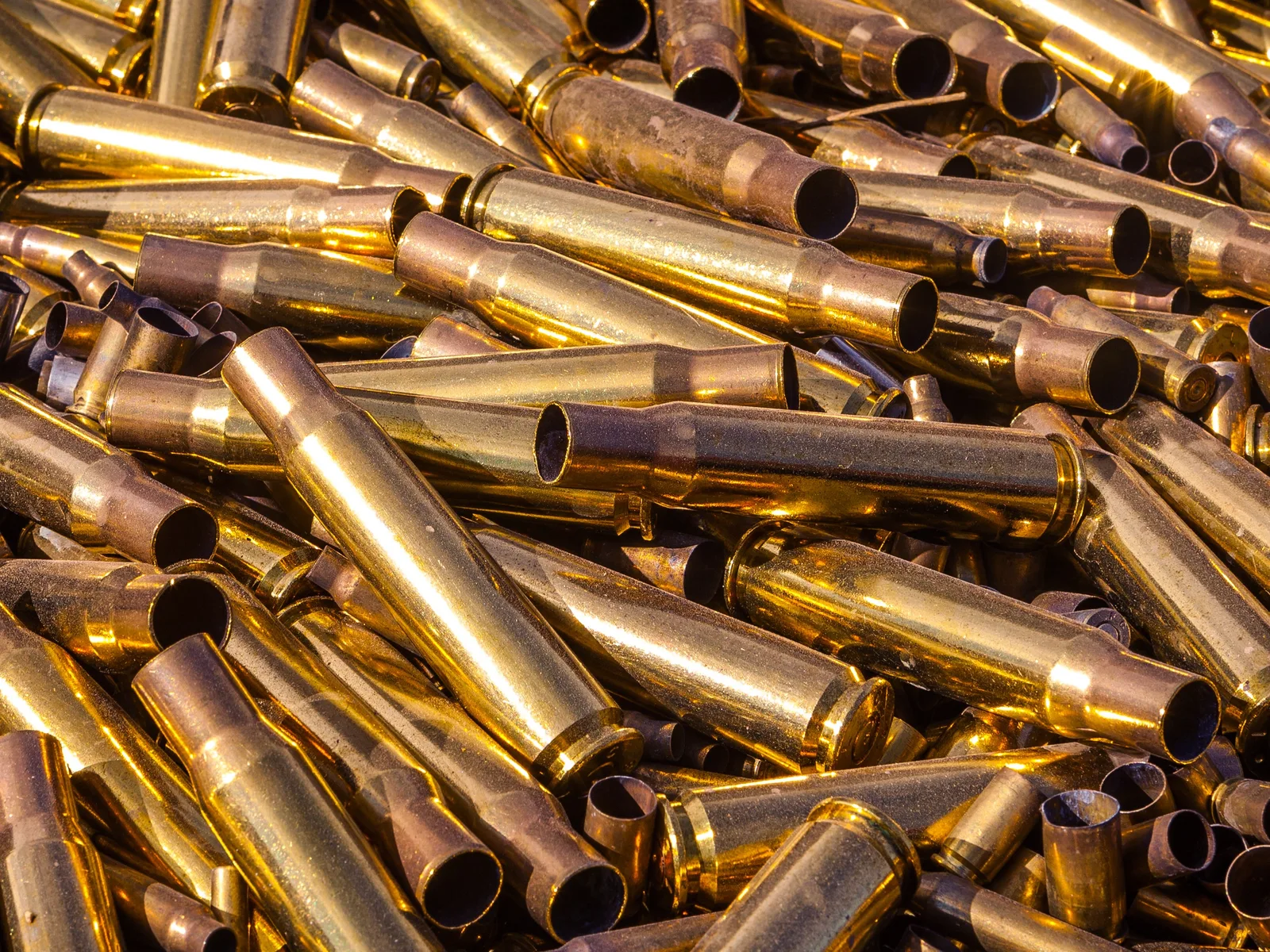
What is brass cartridge cases?
brass cartridge cases includes spent brass cartridge cases and shell-case production scrap. The value and processing route depend on grade, physical form, contamination and the receiving recycler or smelter specification.
How should brass cartridge cases be prepared?
Only accept legally sourced, fully discharged and verified inert cases; remove live ammunition, primers, steel and other foreign material.
Baling or briquetting changes the package form; it does not purify mixed scrap. Confirm the accepted grade and contamination limits with the downstream buyer.
Recommended processing route
Verified inert brass cases can be sorted, size-reduced or baled according to recycler and remelter requirements.
The safest and most economical route can include sorting, draining, cutting, shearing, screening, baling or briquetting. The sequence must match the actual material rather than a generic material name.
How to select suitable equipment
Provide legal status, inert verification, alloy, dimensions, contamination and downstream route. Also confirm loading method, site voltage, available floor space, shift pattern and the required discharge arrangement.
Capacity, density and package dimensions are project-specific and should be verified through technical review or a representative material test.
Frequently asked questions
Can all spent-looking cartridge cases enter a metal baler?
No. Only legally sourced cases verified as inert by appropriately qualified personnel belong in this recycling application. Live ammunition, primers and uncertain items must be excluded and handled through the authorized specialist route. Appearance or an owner's assumption that a case is empty is not an adequate acceptance check.
How should verified inert brass cases be separated for recycling?
Once the required inert verification is complete, identify alloy and source, and separate steel or other foreign material according to the recycler's specification. Keep acceptance records with the batch. Baling does not establish inert status, remove contamination or confirm brass chemistry, so those checks must precede ordinary mechanical processing.
How is equipment selected for verified inert brass cases?
Review case dimensions, batch variation, loose density and the receiving recycler's required package before selecting baling or another approved preparation route. Suitability must be confirmed for the verified inert material only. Do not use equipment selection or a trial as a way to investigate or render questionable ammunition components safe.
What should capacity and maintenance checks include for inert-case recycling?
Use only accepted, documented inert cases in a representative trial and measure finished package output across loading and discharge. The maintenance plan should cover retained cases and foreign material under the approved isolation procedure. Any uncertain ammunition-related item discovered during processing or cleanup requires stopping that activity and specialist handling, not routine machine clearing.