
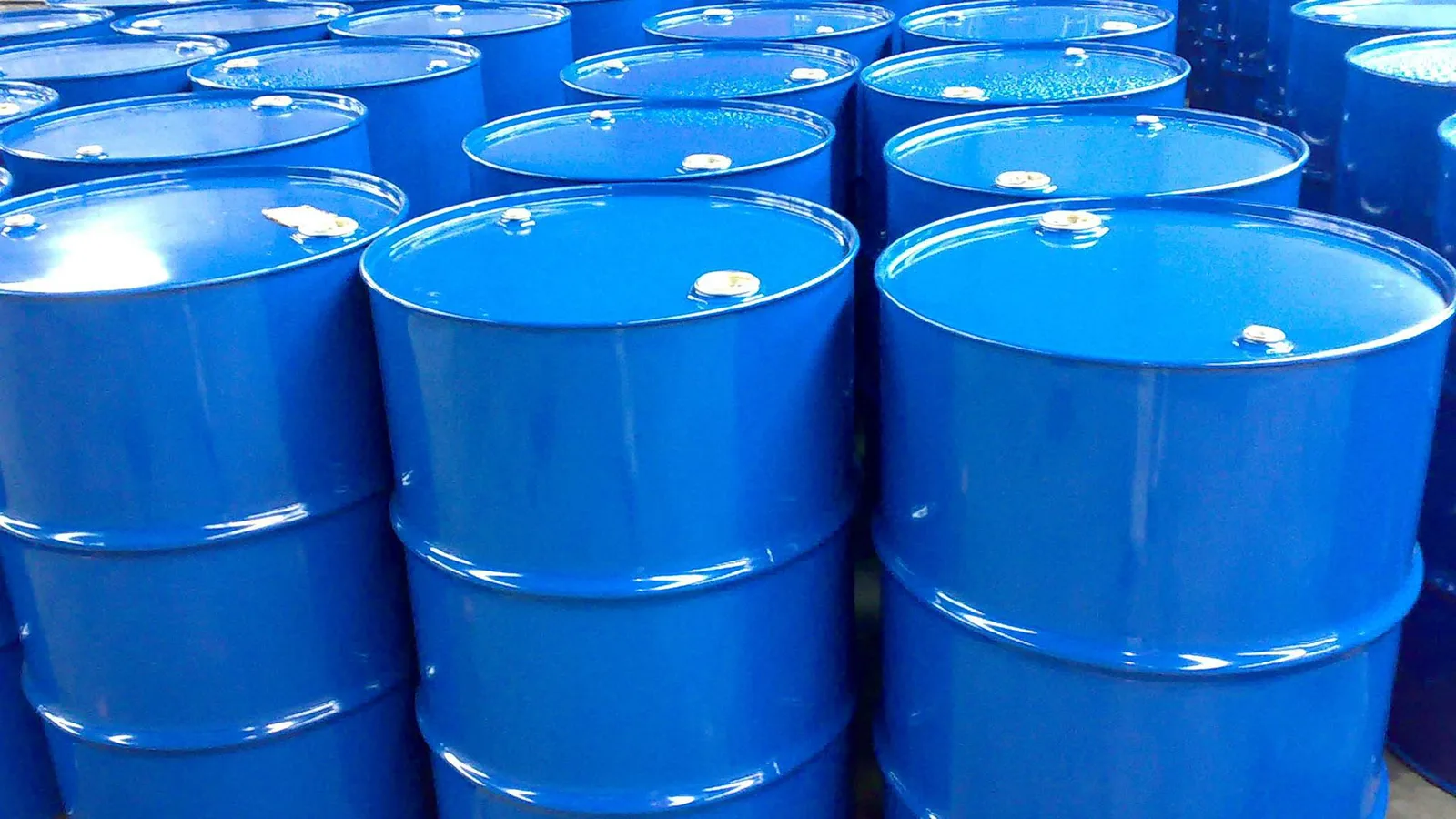
What is 200L steel drums?
200L steel drums includes empty industrial drums, oil drums and steel barrels. The value and processing route depend on grade, physical form, contamination and the receiving recycler or smelter specification.
How should 200L steel drums be prepared?
Confirm the drum is fully drained, depressurized and free of flammable, toxic or reactive residue before mechanical processing.
Baling or briquetting changes the package form; it does not purify mixed scrap. Confirm the accepted grade and contamination limits with the downstream buyer.
Recommended processing route
After safe decontamination, verified open drums can be flattened or baled to reduce storage and transport volume.
The safest and most economical route can include sorting, draining, cutting, shearing, screening, baling or briquetting. The sequence must match the actual material rather than a generic material name.
How to select suitable equipment
Provide drum condition, residue history, dimensions, hourly quantity and the required finished package. Also confirm loading method, site voltage, available floor space, shift pattern and the required discharge arrangement.
Capacity, density and package dimensions are project-specific and should be verified through technical review or a representative material test.
Frequently asked questions
Can a drum that looks empty go directly into a baler?
No. An apparently empty drum may retain hazardous residue or pressure. Its previous contents and condition must be verified, and any decontamination or depressurization must be handled by qualified personnel. Only drums specifically accepted under the documented preparation procedure should reach mechanical processing; unidentified or sealed containers must be excluded.
What determines whether steel drums need flattening or baling?
The decision follows the verified drum condition, dimensions, loading method and required finished package. Assess an approved drum-processing arrangement rather than assuming that every general scrap baler accepts whole drums. The receiving recycler's requirements and safe handling of the prepared containers should be agreed before equipment selection or a trial.
How should drum-processing capacity be verified?
Measure accepted drums and finished package mass during a timed run using the approved prepared drum type. Include loading, inspection and discharge within the agreed production boundary. State drum dimensions, condition and preparation status in the result, because a press-cycle figure alone excludes potentially significant upstream acceptance and handling work.
What maintenance planning is needed for a drum baling line?
The inspection plan should address chamber condition, discharge clearance and any residue collection required by the approved process. Cleaning waste must follow the site's material-specific handling arrangements. Stop and investigate an unexpected residue or unidentified container rather than treating it as routine scrap; maintenance access must follow the equipment's energy-isolation procedure.