
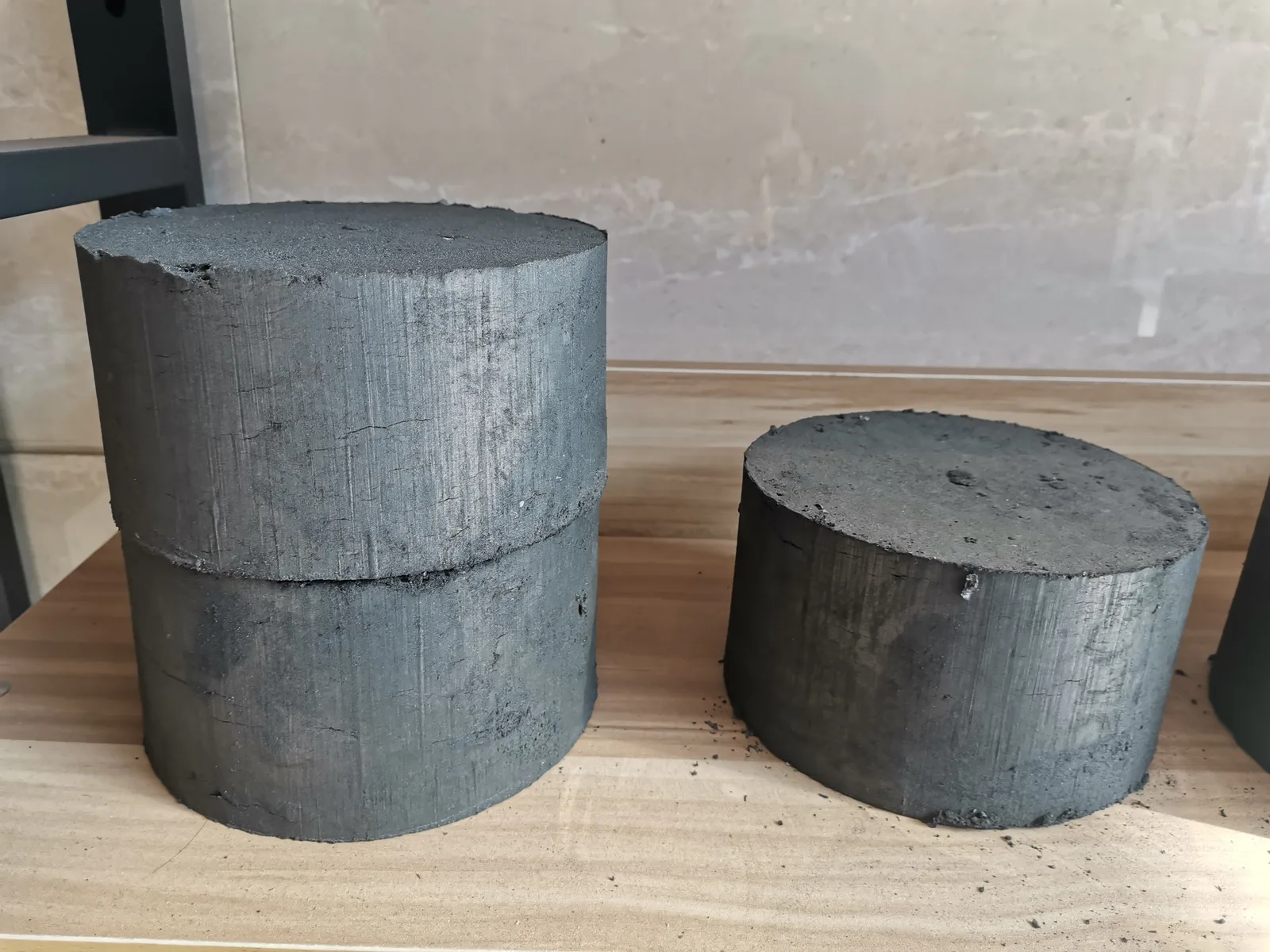
What is iron powder residue?
iron powder residue includes iron fines, powder and process residues. The value and processing route depend on grade, physical form, contamination and the receiving recycler or smelter specification.
How should iron powder residue be prepared?
Identify particle size, oxidation, moisture, binders and contamination, and control airborne dust during collection and transfer.
Baling or briquetting changes the package form; it does not purify mixed scrap. Confirm the accepted grade and contamination limits with the downstream buyer.
Recommended processing route
Suitable iron fines may be briquetted after feed, dust and finished-strength trials confirm a safe stable process.
The safest and most economical route can include sorting, draining, cutting, shearing, screening, baling or briquetting. The sequence must match the actual material rather than a generic material name.
How to select suitable equipment
Provide particle-size distribution, bulk density, moisture, binder need and briquette strength. Also confirm loading method, site voltage, available floor space, shift pattern and the required discharge arrangement.
Capacity, density and package dimensions are project-specific and should be verified through technical review or a representative material test.
Frequently asked questions
Can iron powder be handled like solid iron scrap?
No. Fine iron can present a combustible-dust hazard even though larger iron pieces behave differently. Identify particle size, oxidation, moisture, binders and contamination before selecting a process. A qualified material-hazard review must establish suitable collection, transfer and compaction arrangements before an ordinary scrap-machine route or sample trial is considered.
Does every iron powder need a binder to form briquettes?
Binder need cannot be determined from the material name alone. Particle distribution, surface condition, moisture, press configuration and required strength must be evaluated together. Any proposed binder also needs acceptance by the receiving plant and the material-safety review; a block that holds together is not sufficient evidence of metallurgical suitability.
How should capacity be stated for approved iron-powder briquetting?
After the hazard controls and test protocol are approved, measure accepted briquette mass during controlled operation with representative powder. State feed moisture, particle-size range and any binder addition. Separate incoming-feed rate from finished output, and include feed consistency and discharge interruptions so the result is tied to the tested process.
What should an iron-powder briquette trial check besides density?
Agree on handling strength, fines generated during the intended transfer route and the receiver's chemistry limits. Record moisture and binder condition alongside dimensions and mass. Density alone does not demonstrate that briquettes will survive transport or suit the receiving process, and compaction cannot remove contamination already present in the powder.
What maintenance planning is needed for iron-powder equipment?
The approved dust-hazard controls must extend to retained powder, collection components and housekeeping during maintenance. Include tooling and metering condition in the supplier's inspection plan, but do not treat powder cleanup as routine coarse-scrap removal. Access and servicing require the specified energy isolation and material-specific residue-handling procedures.