
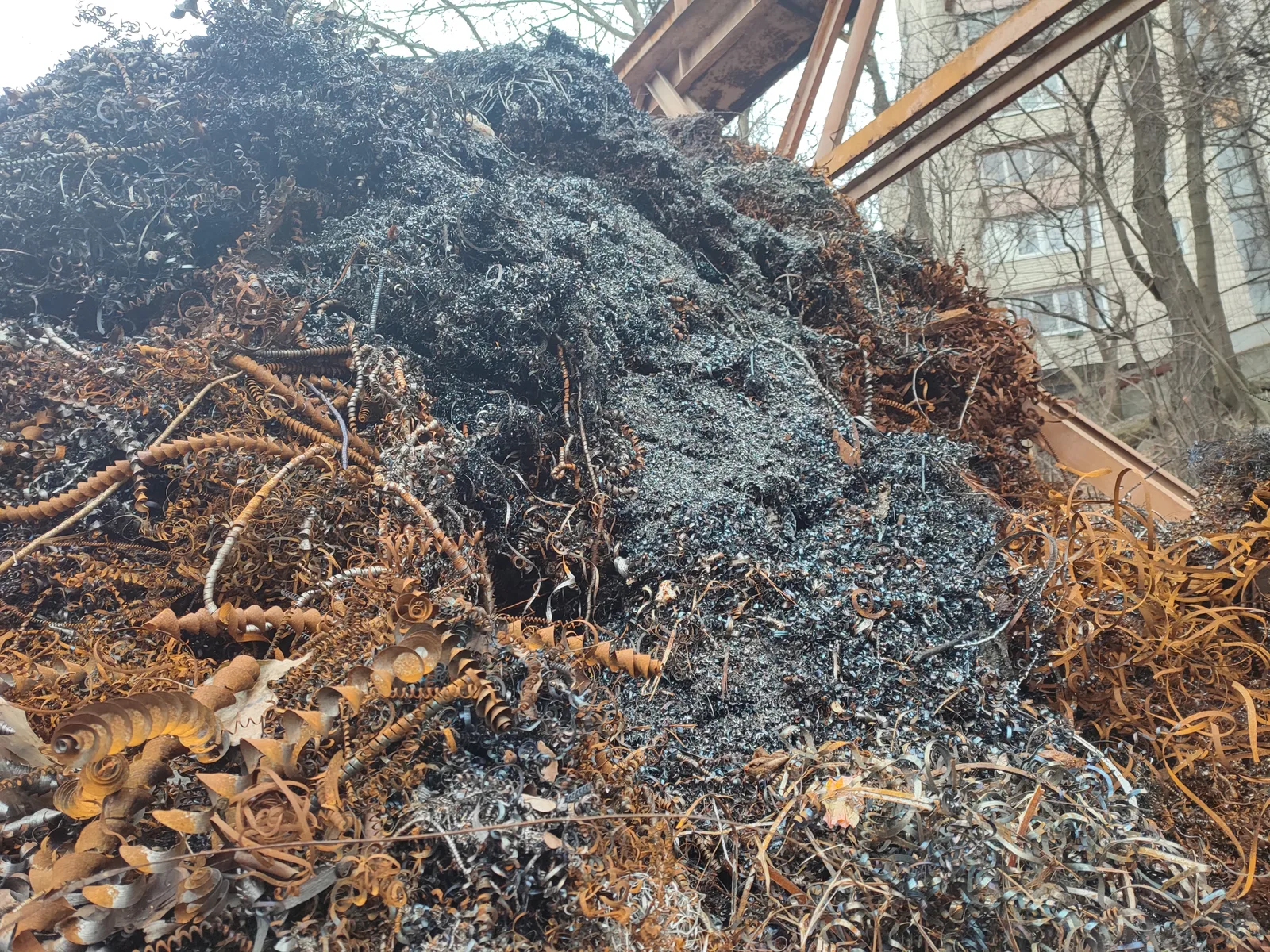
What is iron turnings?
iron turnings includes iron swarf, curled turnings and machining chips. The value and processing route depend on grade, physical form, contamination and the receiving recycler or smelter specification.
How should iron turnings be prepared?
Break long nests, remove foreign solids and quantify oil, coolant and water before metered feeding.
Baling or briquetting changes the package form; it does not purify mixed scrap. Confirm the accepted grade and contamination limits with the downstream buyer.
Recommended processing route
Hydraulic briquetting can reduce loose volume and prepare denser units for handling or foundry return when specifications permit.
The safest and most economical route can include sorting, draining, cutting, shearing, screening, baling or briquetting. The sequence must match the actual material rather than a generic material name.
How to select suitable equipment
Provide turning length, bulk density, residual fluid, hourly volume and downstream requirement. Also confirm loading method, site voltage, available floor space, shift pattern and the required discharge arrangement.
Capacity, density and package dimensions are project-specific and should be verified through technical review or a representative material test.
Frequently asked questions
When do iron turnings need size preparation before briquetting?
Long curls and tangled nests should be evaluated separately from short, free-flowing chips. Their length, spring-back and bulk density affect hopper filling and metering. A suitable preparation route must be selected for the actual material and then tested with the press, rather than assuming compaction force will overcome an unstable feed.
Can oily iron turnings be processed without prior fluid assessment?
No. Quantify oil, coolant and water, and identify any foreign solids before selecting the feeding and fluid-collection arrangement. The proposed residual-liquid requirement should be checked with the receiving recycler. Briquetting may release some liquid in a suitable system, but it does not guarantee complete de-oiling or make mixed residues acceptable.
How is output verified for variable iron-turning batches?
Include the normal variation in turning length, loose density and fluid content in a representative trial. Weigh accepted briquettes during sustained operation and record preparation, replenishment and discharge delays. State the material condition and measurement basis so a rate from short drained chips is not applied unchanged to long wet nests.
What maintenance symptoms should be tracked with iron turnings?
Record recurring feed interruptions, changing briquette mass and difficult release alongside any change in turning geometry. The supplier's inspections should cover the feeder, tooling and supplied liquid passages. Jam clearing and internal checks require the approved isolation procedure; repeated manual intervention is a reason to review the process, not a normal operating method.