
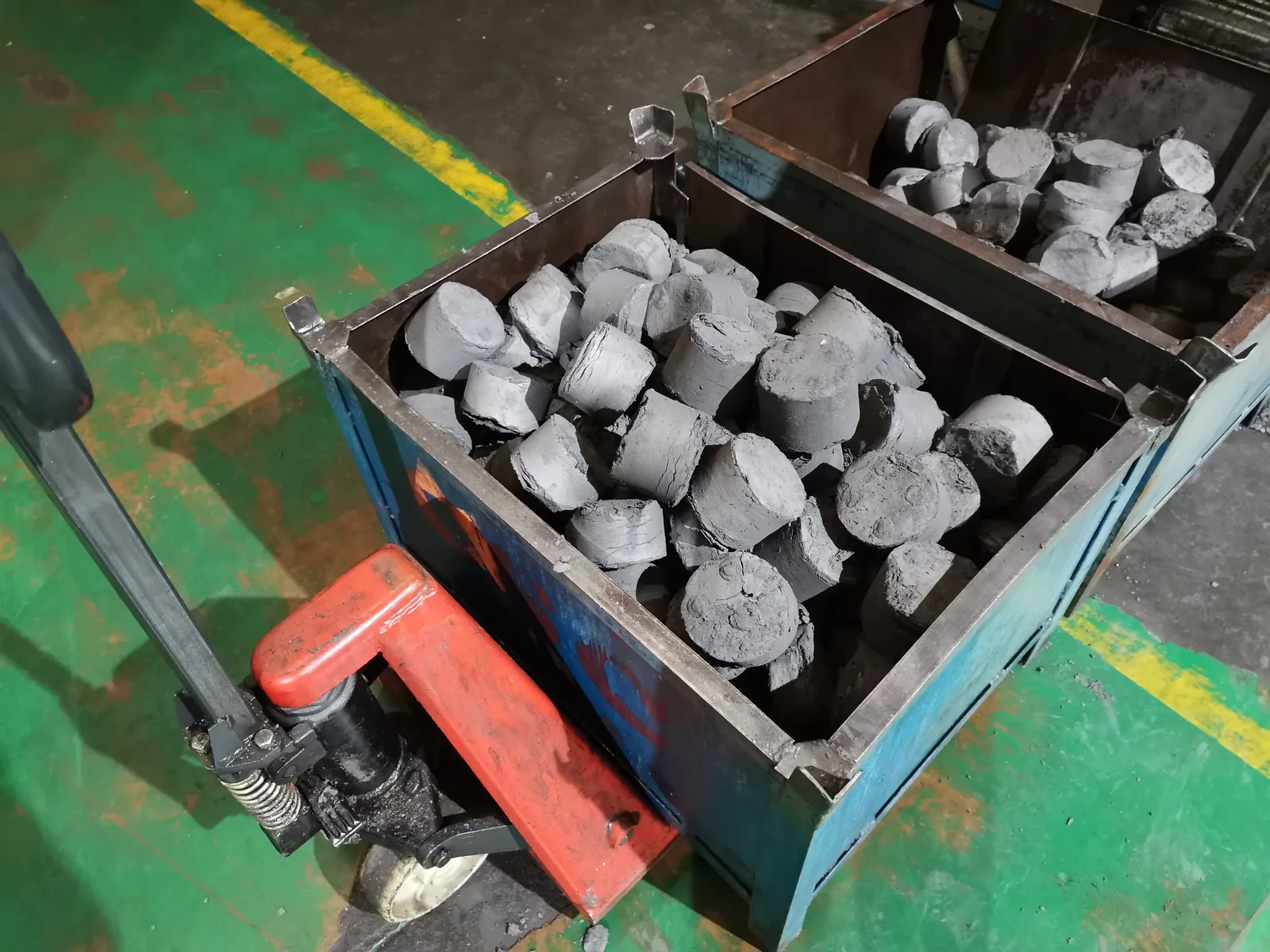
What is metal grinding sludge?
metal grinding sludge includes grinding swarf, metal fines and filter-cake residue. The value and processing route depend on grade, physical form, contamination and the receiving recycler or smelter specification.
How should metal grinding sludge be prepared?
Identify the base metal, abrasive content, fluid chemistry and moisture, and exclude reactive or hazardous mixtures from standard processing.
Baling or briquetting changes the package form; it does not purify mixed scrap. Confirm the accepted grade and contamination limits with the downstream buyer.
Recommended processing route
Suitable tested sludge may be dewatered and briquetted to create denser recycling or disposal units.
The safest and most economical route can include sorting, draining, cutting, shearing, screening, baling or briquetting. The sequence must match the actual material rather than a generic material name.
How to select suitable equipment
Provide metal content, moisture, abrasive percentage, binder behavior and downstream acceptance. Also confirm loading method, site voltage, available floor space, shift pattern and the required discharge arrangement.
Capacity, density and package dimensions are project-specific and should be verified through technical review or a representative material test.
Frequently asked questions
Can grinding sludge be treated like ordinary metal chips?
No. Sludge may contain fine metal, abrasive particles and substantial liquid, with properties that differ from loose machining chips. Identify the base metal, abrasive content, fluid chemistry and moisture before selecting equipment. Reactive or hazardous mixtures must be excluded from a standard process unless a qualified review establishes a suitable specialist route.
Does briquetting turn grinding sludge into clean metal feedstock?
No. Abrasives, binders and dissolved or retained contaminants do not disappear during compaction. The receiving recycler must accept the analyzed composition and residual-fluid condition. Suitable sludge may need dewatering or other preparation, but neither a solid-looking block nor reduced volume establishes metal purity or permission for unrestricted reuse or disposal.
How should grinding-sludge capacity be measured?
State whether the result is based on wet incoming sludge, dry solids or accepted finished briquettes. Record moisture variation, feed behavior, expressed liquid and rejected units during a representative trial. Also verify package strength and downstream acceptance, because a high wet-feed rate can be misleading when batches contain different amounts of liquid.
What maintenance planning is important for grinding sludge?
Review tooling condition, abrasive exposure, feed buildup and any dewatering or liquid-collection components with the supplier. Residue removal and collected fluids must follow the material-specific handling plan. Set inspections from the approved sludge and observed condition, with cleaning and internal access performed only under the specified safe isolation procedure.