
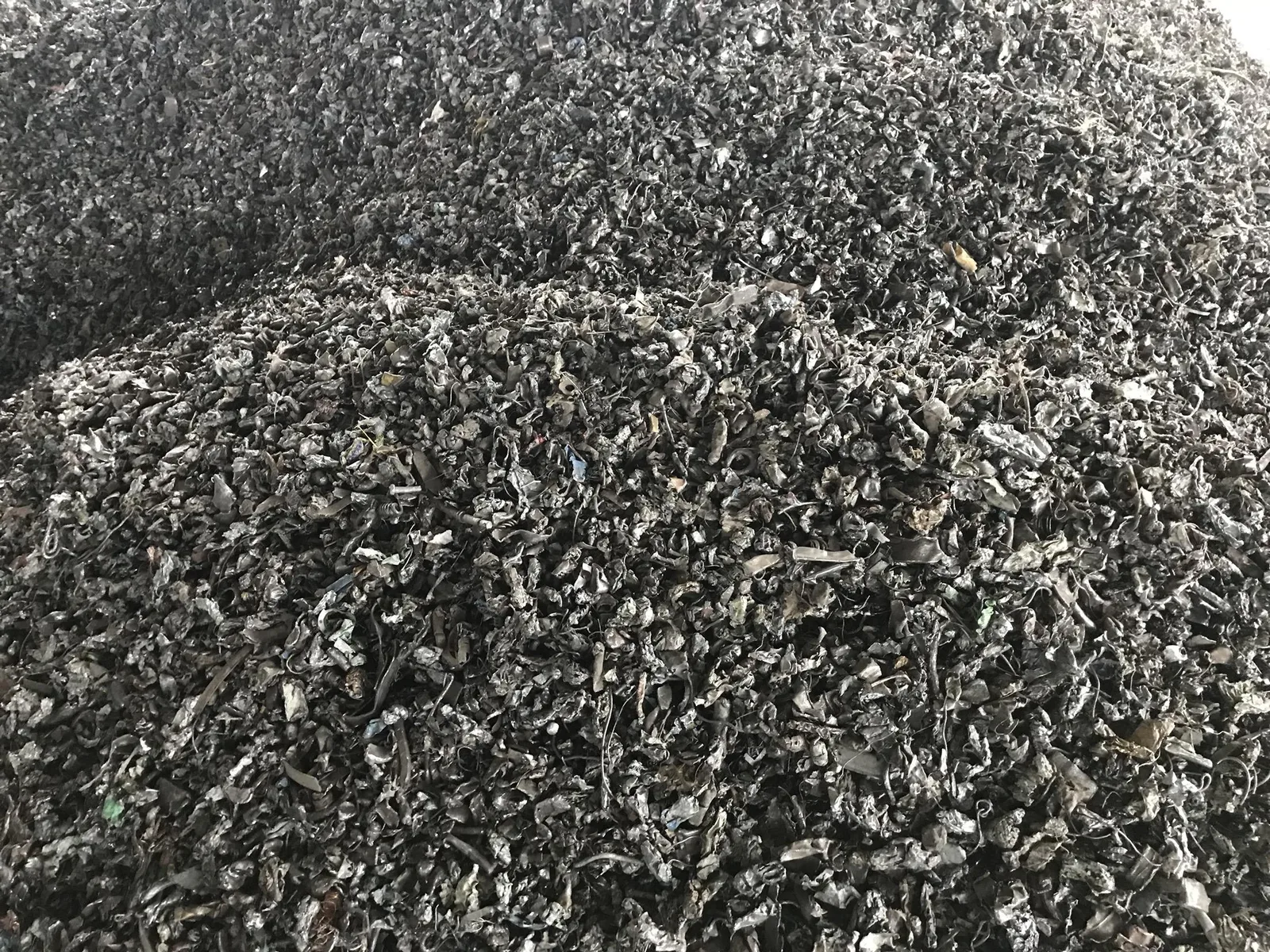
What is mixed shredded metal?
mixed shredded metal includes shredded mixed metal fragments and recycling residue. The value and processing route depend on grade, physical form, contamination and the receiving recycler or smelter specification.
How should mixed shredded metal be prepared?
Use magnetic, eddy-current, density or sensor separation as appropriate and remove fines, sealed items and hazardous contamination.
Baling or briquetting changes the package form; it does not purify mixed scrap. Confirm the accepted grade and contamination limits with the downstream buyer.
Recommended processing route
The correct route may combine separation, screening and controlled compaction rather than baling an unsorted mixture directly.
The safest and most economical route can include sorting, draining, cutting, shearing, screening, baling or briquetting. The sequence must match the actual material rather than a generic material name.
How to select suitable equipment
Provide composition, particle size, bulk density, contamination and buyer specification. Also confirm loading method, site voltage, available floor space, shift pattern and the required discharge arrangement.
Capacity, density and package dimensions are project-specific and should be verified through technical review or a representative material test.
Frequently asked questions
Should mixed shredded metal be baled before separation?
Usually the accepted material fractions need to be established first. Magnetic, eddy-current, density or sensor separation may be considered according to the mixture, but no single method should be assumed to produce every required grade. Define the buyer's composition and contamination limits before selecting screening, separation and any final compaction stage.
Which items must be excluded from mixed-shred processing?
Unknown sealed items, batteries and hazardous residues must stay outside the ordinary compaction stream until qualified personnel establish their safe disposition. Also identify fines, foreign solids and non-metal contamination. A small fragment size does not prove that the mixture is safe or clean, and baling cannot correct an unverified incoming composition.
How can capacity be confirmed when the shred composition varies?
Define representative mixtures and particle-size ranges, then test the whole proposed sorting and compaction sequence against them. Measure accepted separated or compacted output rather than total incoming mass alone. Record rejects, interruptions and composition changes so the reported rate reflects the material specification the line is actually required to deliver.
What maintenance checks should a mixed-shred line include?
Coordinate inspection of separation equipment, screens, transfer points and the selected compactor rather than treating the press in isolation. Track fines accumulation and unexpected rigid pieces when wear or blockages change. Housekeeping and servicing must follow the assessed material hazards and the approved isolation procedure for interconnected equipment.