
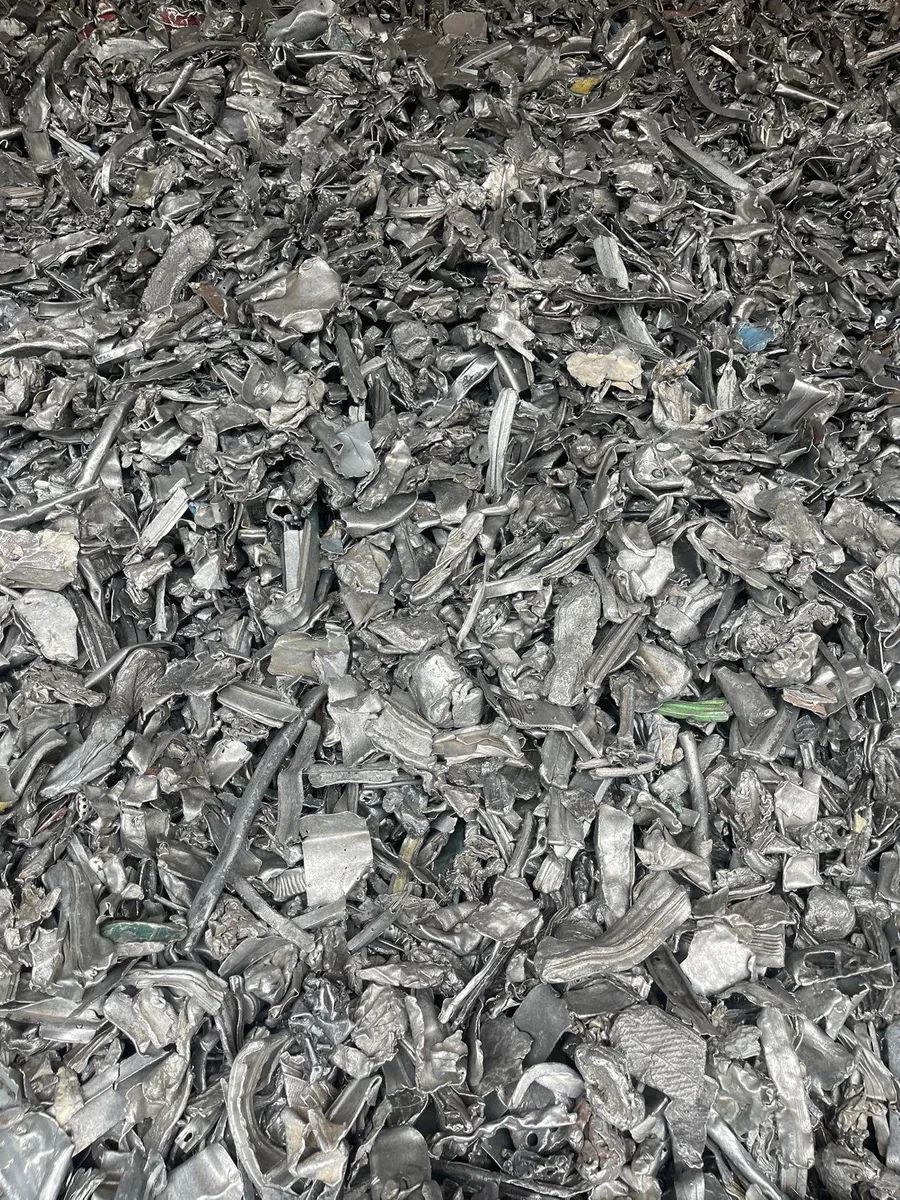
What is shredded aluminum scrap?
shredded aluminum scrap includes shredded aluminum pieces, fragments and prepared non-ferrous shred. The value and processing route depend on grade, physical form, contamination and the receiving recycler or smelter specification.
How should shredded aluminum scrap be prepared?
Use magnetic and sensor-based separation as appropriate, remove fines and foreign material, and confirm the alloy mix with the buyer.
Baling or briquetting changes the package form; it does not purify mixed scrap. Confirm the accepted grade and contamination limits with the downstream buyer.
Recommended processing route
Flowable prepared shred can be baled or compacted when particle size and contamination are controlled.
The safest and most economical route can include sorting, draining, cutting, shearing, screening, baling or briquetting. The sequence must match the actual material rather than a generic material name.
How to select suitable equipment
Provide particle-size distribution, bulk density, fines, contamination and required package stability. Also confirm loading method, site voltage, available floor space, shift pattern and the required discharge arrangement.
Capacity, density and package dimensions are project-specific and should be verified through technical review or a representative material test.
Frequently asked questions
Can all shredded aluminum be fed into the same baler?
No. Particle-size range, sharp fragments, loose density and fines determine whether a baler can contain and discharge the material reliably. Review the actual shred and required package, including small particles that may not behave like larger pieces. Dust-bearing material needs its hazards assessed before a standard compaction route is selected.
Should aluminum shred be sorted before or after baling?
Separation normally needs to establish the accepted material stream before compaction. Ferrous pieces, other metals, plastics and fines must be assessed against the buyer's specification using appropriate upstream methods. A bale does not demonstrate alloy purity, and mixing different shred sources can conceal variation that matters to the receiving plant.
What should an aluminum-shred capacity test demonstrate?
The trial should use the normal particle-size distribution and include changes in loose density across the batch. Measure accepted package mass over complete feed, compression and discharge cycles. Check containment, loose particles after release and package stability as well as throughput; a fast cycle is insufficient if the product cannot be handled as intended.
Which maintenance areas are important with aluminum shred?
Include the feeder, chamber, discharge interfaces and approved fines-management equipment in the inspection plan. Track material escaping the intended path and changes in fragment size when faults occur. Dust collection and cleanup must follow the assessed material hazards; ordinary housekeeping equipment should not be assumed suitable for combustible aluminum dust.