
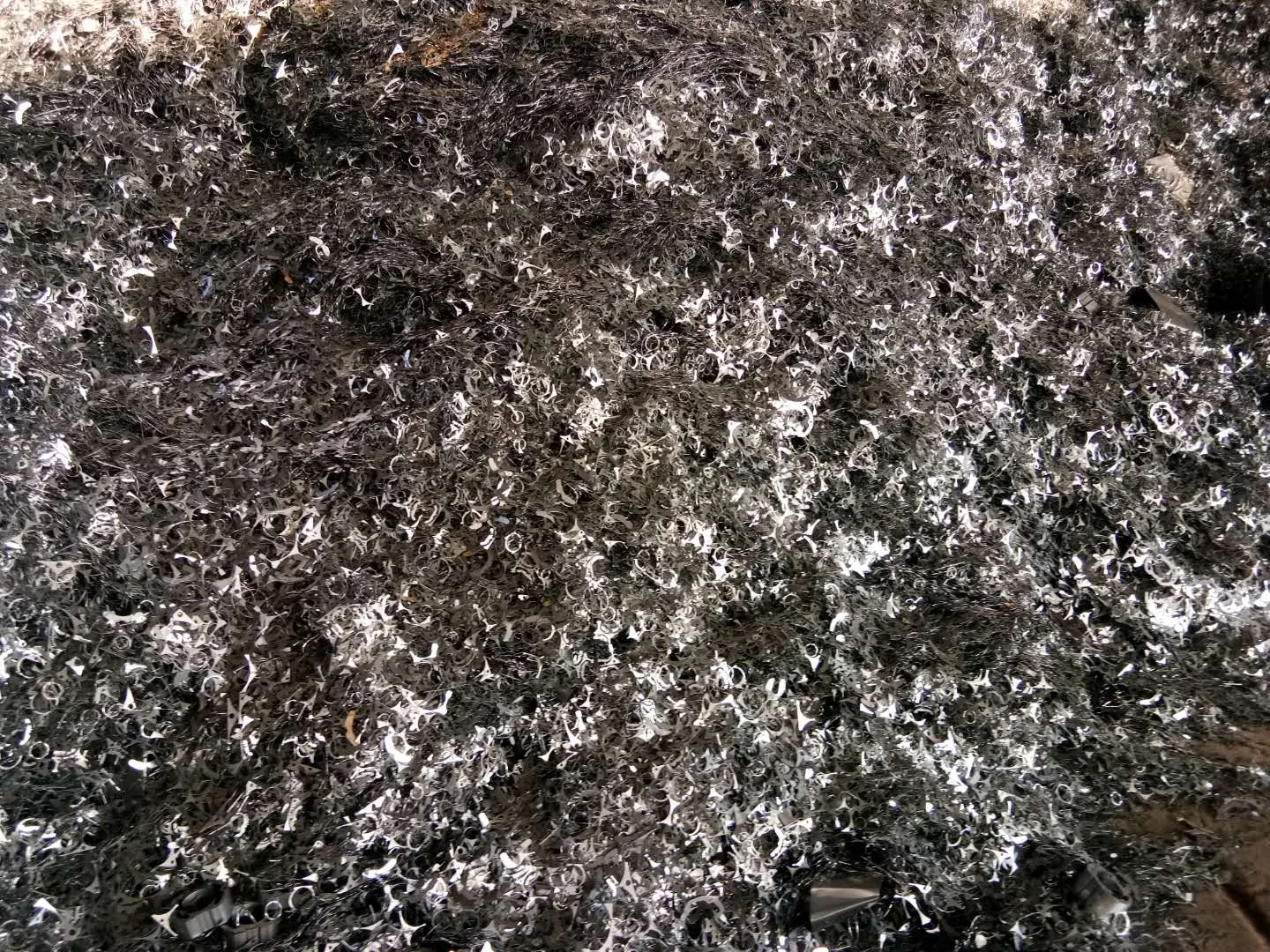
What is silicon steel sheet scrap?
silicon steel sheet scrap includes electrical steel laminations, punched skeletons and transformer-core offcuts. The value and processing route depend on grade, physical form, contamination and the receiving recycler or smelter specification.
How should silicon steel sheet scrap be prepared?
Keep known electrical-steel grades separated and remove copper windings, insulation, fasteners and foreign metal.
Baling or briquetting changes the package form; it does not purify mixed scrap. Confirm the accepted grade and contamination limits with the downstream buyer.
Recommended processing route
Prepared thin laminations can be baled carefully to control spring-back and create transportable recycling packages.
The safest and most economical route can include sorting, draining, cutting, shearing, screening, baling or briquetting. The sequence must match the actual material rather than a generic material name.
How to select suitable equipment
Provide sheet thickness, coating, piece size, spring-back and required bale dimensions. Also confirm loading method, site voltage, available floor space, shift pattern and the required discharge arrangement.
Capacity, density and package dimensions are project-specific and should be verified through technical review or a representative material test.
Frequently asked questions
Should electrical-steel laminations remain a separate scrap stream?
Keep known electrical-steel grades and sources identifiable when the receiver requires specific chemistry or coatings. Remove or assess copper windings, fasteners, insulation and other attached materials before baling. Mixing laminations with general steel scrap may defeat the agreed grade specification, and compression cannot restore the original separation.
Why do thin laminations need a baling trial?
Laminations, punched skeletons and narrow strips can stack, interlock or spring back differently from ordinary loose sheet. Review sheet thickness, piece dimensions, coatings and loading pattern with the baler supplier. The trial should confirm full containment and a stable finished package, not only that the machine can complete a compression stroke.
How should capacity be confirmed for silicon-steel scrap?
Use laminations and skeletons from the normal production mix, including their actual coating and shape variation. Record accepted bale mass over full loading, compression and discharge cycles. State preparation and sorting time separately when excluded, so the machine rate is not confused with the output of a complete electrical-steel recovery process.
What maintenance concerns should be reviewed for electrical-steel laminations?
Inspect chamber condition, discharge interfaces and any fitted cutting components according to the manufacturer's plan for the approved feed. Retained sharp strips or insulation fragments should be recorded when feeding changes. Cleanup and internal access require safe isolation, and a new coating or lamination geometry may require renewed material assessment.