
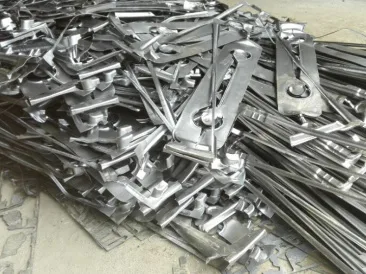
What is stamping steel scrap?
stamping steel scrap includes pressed skeletons, punched strip, sheet offcuts and stamping remnants. The value and processing route depend on grade, physical form, contamination and the receiving recycler or smelter specification.
How should stamping steel scrap be prepared?
Separate carbon steel from stainless and non-ferrous metal, and remove tooling fragments, oil-soaked waste and oversized pieces.
Baling or briquetting changes the package form; it does not purify mixed scrap. Confirm the accepted grade and contamination limits with the downstream buyer.
Recommended processing route
Controlled loading and hydraulic baling can convert loose springy stamping scrap into manageable transport units.
The safest and most economical route can include sorting, draining, cutting, shearing, screening, baling or briquetting. The sequence must match the actual material rather than a generic material name.
How to select suitable equipment
Provide sheet thickness, largest piece size, spring-back, loose bulk density and hourly volume. Also confirm loading method, site voltage, available floor space, shift pattern and the required discharge arrangement.
Capacity, density and package dimensions are project-specific and should be verified through technical review or a representative material test.
Frequently asked questions
Why do stamping skeletons need a different review from loose sheet?
Punched skeletons, narrow strip and sheet remnants can interlock or spring back, changing how the chamber fills. Review the largest skeleton, sheet thickness and normal mix before selecting the baler. The material trial should show controlled loading and stable discharge, including any size preparation required for oversized or continuous strip.
What should be separated from stamping steel before baling?
Keep carbon steel, stainless and non-ferrous production scrap separate where the receiving specification requires it. Remove tooling fragments, foreign solids and oil-soaked non-metal waste from the accepted stream. Identify lubricants and residual liquid rather than assuming clean-looking production scrap is contamination-free; compaction does not replace the required sorting controls.
How is stamping scrap throughput confirmed?
Test representative skeletons and offcuts from the actual press operations, not a hand-selected batch of easy pieces. Record accepted bale mass, loading time, compression and discharge delays over sustained operation. Include changes in part geometry when defining the capacity basis, since different stamping jobs can produce very different loose densities.
What maintenance observations matter with sharp stamping scrap?
Follow the supplier's inspection plan for chamber wear surfaces, any fitted cutting edges and bale discharge guides. Repeated snagging or protruding strip should prompt a review of feed dimensions as well as machine condition. Cleaning and access belong under the approved isolation procedure, not during conveyor movement or the compression cycle.