
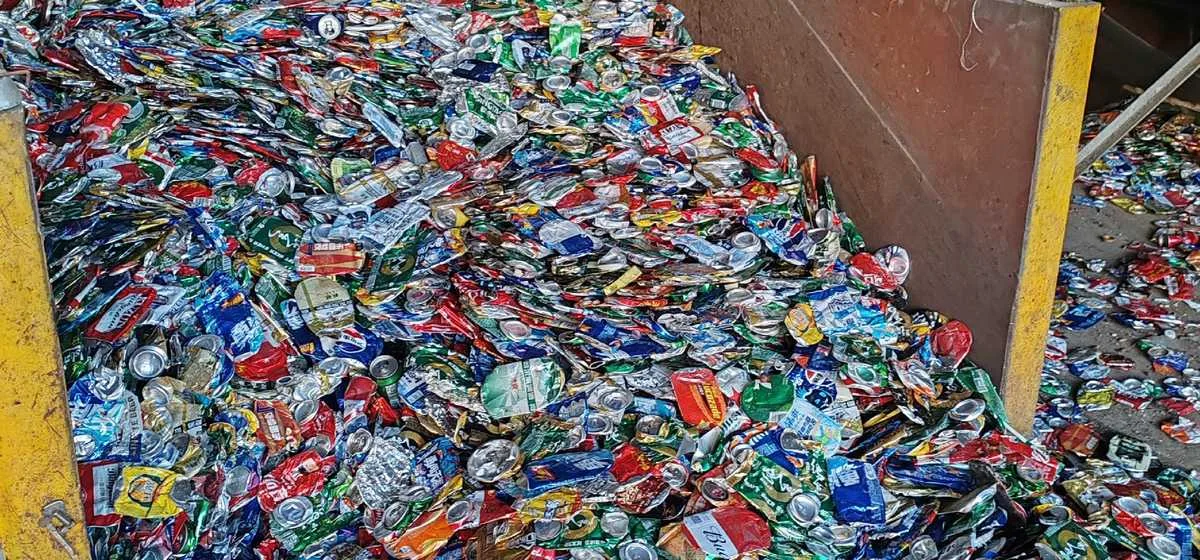
What is used aluminum beverage cans?
used aluminum beverage cans includes UBC, empty drink cans and light-gauge aluminum packaging. The value and processing route depend on grade, physical form, contamination and the receiving recycler or smelter specification.
How should used aluminum beverage cans be prepared?
Remove liquids, steel containers, plastic, glass and excessive dirt; keep the material dry and verify local acceptance requirements.
Baling or briquetting changes the package form; it does not purify mixed scrap. Confirm the accepted grade and contamination limits with the downstream buyer.
Recommended processing route
High-volume low-density cans are commonly compacted or baled for storage, transport and remelting preparation.
The safest and most economical route can include sorting, draining, cutting, shearing, screening, baling or briquetting. The sequence must match the actual material rather than a generic material name.
How to select suitable equipment
Provide loose bulk density, contamination, moisture, hourly volume and preferred bale dimensions. Also confirm loading method, site voltage, available floor space, shift pattern and the required discharge arrangement.
Capacity, density and package dimensions are project-specific and should be verified through technical review or a representative material test.
Frequently asked questions
Why is a material trial important for loose beverage cans?
Cans have low loose density, and the condition of collected material affects chamber filling. Whole, flattened and mixed-condition cans may require different loading arrangements. A trial should verify the feeding method, complete bale release and package stability using the real collection stream, rather than relying only on nominal press force.
What contamination should be excluded from aluminum can feed?
Remove liquids and separate steel containers, plastic, glass and excessive dirt to meet the buyer's requirements. Aerosols, sealed pressurized containers and batteries are not ordinary beverage-can feed and require an appropriate separate route. Baling changes volume but does not make mixed collection waste equivalent to a prepared aluminum can stream.
How should can-baling capacity be confirmed?
Measure accepted bale mass during a run that includes normal hopper replenishment and bale removal. Record loose can density, moisture and contamination alongside operating time. Separate sorting and draining capacity from the press rate when they are upstream tasks, because slow preparation or loading can limit the site's actual output.
What routine maintenance matters for a beverage-can baler?
Follow the manual for chamber and discharge inspections, and include any approved drainage or residue-collection arrangement in housekeeping checks. Persistent liquid accumulation should prompt a review of incoming cans and preparation. Cleaning, blocked-feed inspection and access around moving equipment require the specified safe shutdown and isolation procedure, not intervention during cycling.