
Customer CaseTurkey Metal Baler Project
400-Ton Heavy-Duty Side Push-Out Baler in Turkey
Heavy-duty side-discharge baling for thick plate offcuts and dense steel scrap.

Project context
A steel plate processing and metal distribution customer in Turkey needed a reliable way to process plate crop ends, thick sheet offcuts, steel strips and machining remnants. The selected project direction was a 400-ton heavy-duty side push-out hydraulic metal baler, configured around the material and the customer’s existing handling route.
Material & site requirements
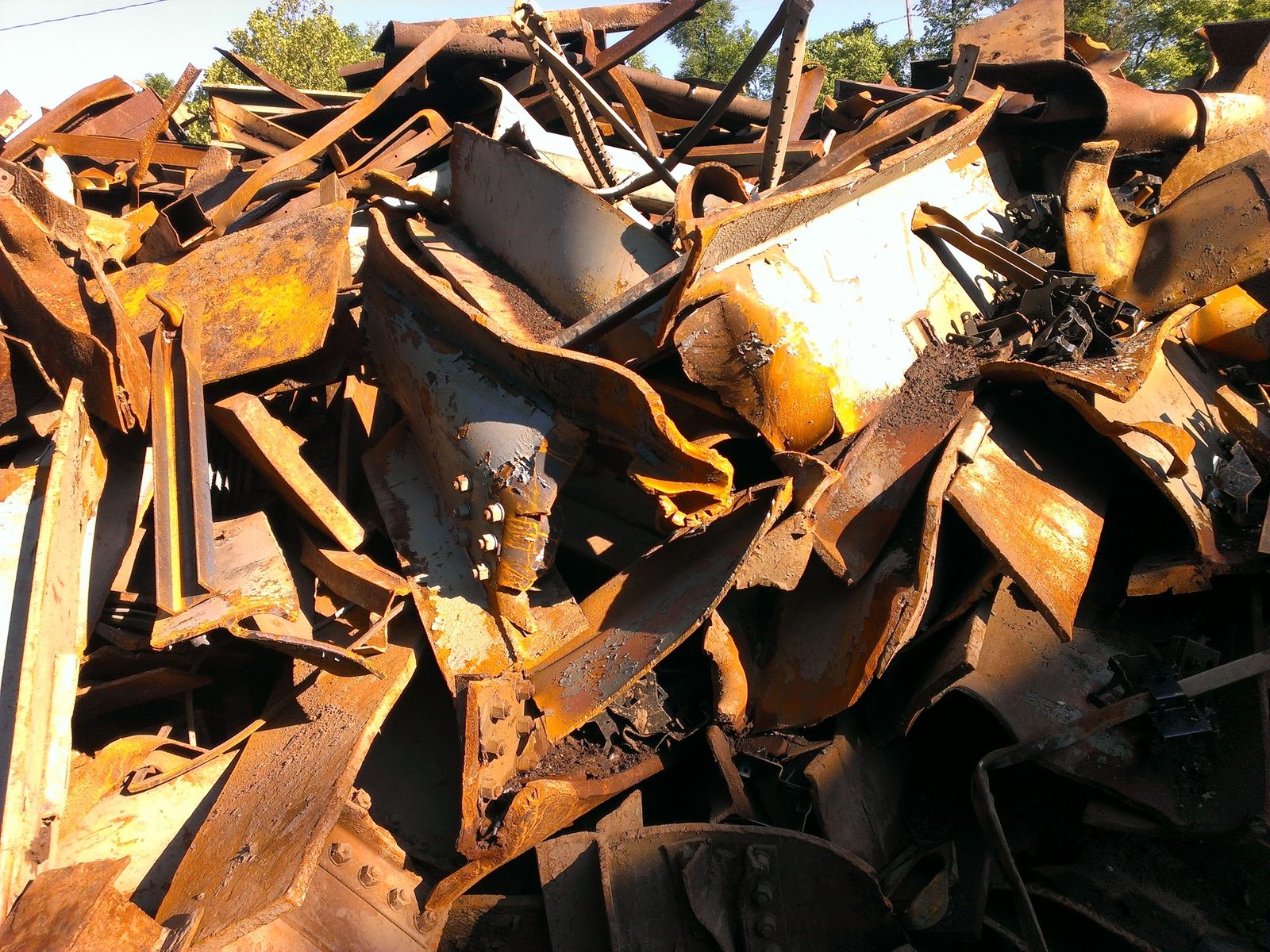
The feed contains thicker, stronger and sometimes longer steel pieces than ordinary light-gauge scrap. Excessive manual cutting and handling can slow the process, so chamber opening, frame strength and loading practice must be evaluated from real samples.
Equipment & configuration
The project brief calls for a reinforced frame and chamber, a hydraulic package matched to the intended duty cycle, and a side push-out route toward the heavy-forklift or overhead-handling area. Any chamber-edge cutting feature must be confirmed for the specific material thickness and grade.
The side push-out arrangement was considered together with loading access, forklift or crane movement, maintenance clearance and the finished-bale receiving area.
The operating workflow
Oversized or unsuitable pieces are identified before loading. Prepared plate and strip offcuts are compressed in controlled stages, then pushed sideways into a protected receiving area for crane or forklift pickup.
What the configuration addresses
The configuration aims to reduce avoidable pre-cutting and centralize dense steel-scrap handling. It should not be represented as a substitute for a shear when incoming pieces exceed the approved chamber and cutting limits.
The project value comes from matching the machine structure to the real material and site flow. Final cycle time, bale density, bale weight and power demand remain subject to the confirmed specification and material trial.
Planning a similar project
Steel service centers, shipyards, heavy machinery plants, structural-steel fabricators and recycling projects handling dense plate and section offcuts.
Planning a similar project
Provide representative material photos or samples, maximum piece dimensions and thickness, hourly or daily volume, target bale size and weight, site voltage, installation space and preferred discharge direction. Customer identity and unverified commercial figures are intentionally omitted.
Can the 400-ton heavy-duty baler replace a scrap shear?
Not when pieces exceed the approved chamber or cutting limits. The Turkish case concerns plate crop ends, thick sheet offcuts, steel strips and machining remnants, and expressly makes any chamber-edge cutting feature subject to confirmation. The 400-ton designation describes the press-force class; it does not establish an unrestricted cutting capacity for thick or high-strength steel.
What material evidence is needed to decide whether pre-cutting is required?
Provide the steel grades, maximum thickness, length and width, and representative shapes or samples, including the most difficult pieces routinely received. Review how each piece fits and loads within the approved chamber limits. The project aims to reduce avoidable pre-cutting, but that objective does not prove that every plate or strip can enter directly or eliminate a separate preparation stage.
How should the side-discharge route handle dense steel bales?
The project direction places the bale receiving area beside a heavy-forklift or overhead-handling route. For a new site, establish expected bale mass and dimensions through testing and check them against the selected handling equipment and approved layout. Provide a protected receiving zone and service clearance. A stronger press does not by itself establish the capacity of surrounding lifting equipment.
How can production capacity be verified for thicker steel scrap?
Test the agreed grade and thickness range, not only easy light-gauge material. Measure accepted bale mass over complete loading, compression, side discharge and collection, with any necessary upstream preparation reported separately or included explicitly. Record rejected pieces, interruptions and hydraulic-temperature behaviour. The case publishes no verified tonnes-per-hour figure, cycle time, bale density or power-demand result.
What should be confirmed about the reinforced configuration before acceptance?
Match the order and technical drawings to the agreed frame, chamber, hydraulic-duty and discharge specifications. Confirm written material limits and whether a chamber-edge cutting feature is actually included. Acceptance should use the approved material and test plan, with functional and safety checks by qualified personnel. It should not rely on deliberate overloads or infer structural capability from nominal force alone.
Which wear and maintenance items deserve attention with plate offcuts?
The maintenance scope should identify high-contact chamber and pusher surfaces, any supplied cutting edges, hydraulic components and inspection points specified for the heavy-duty arrangement. Agree wear limits, replacement procedures and access for component handling with the manufacturer. The article does not define blade life or maintenance intervals. Jam clearing and repairs require isolation and control of stored energy before entry.