
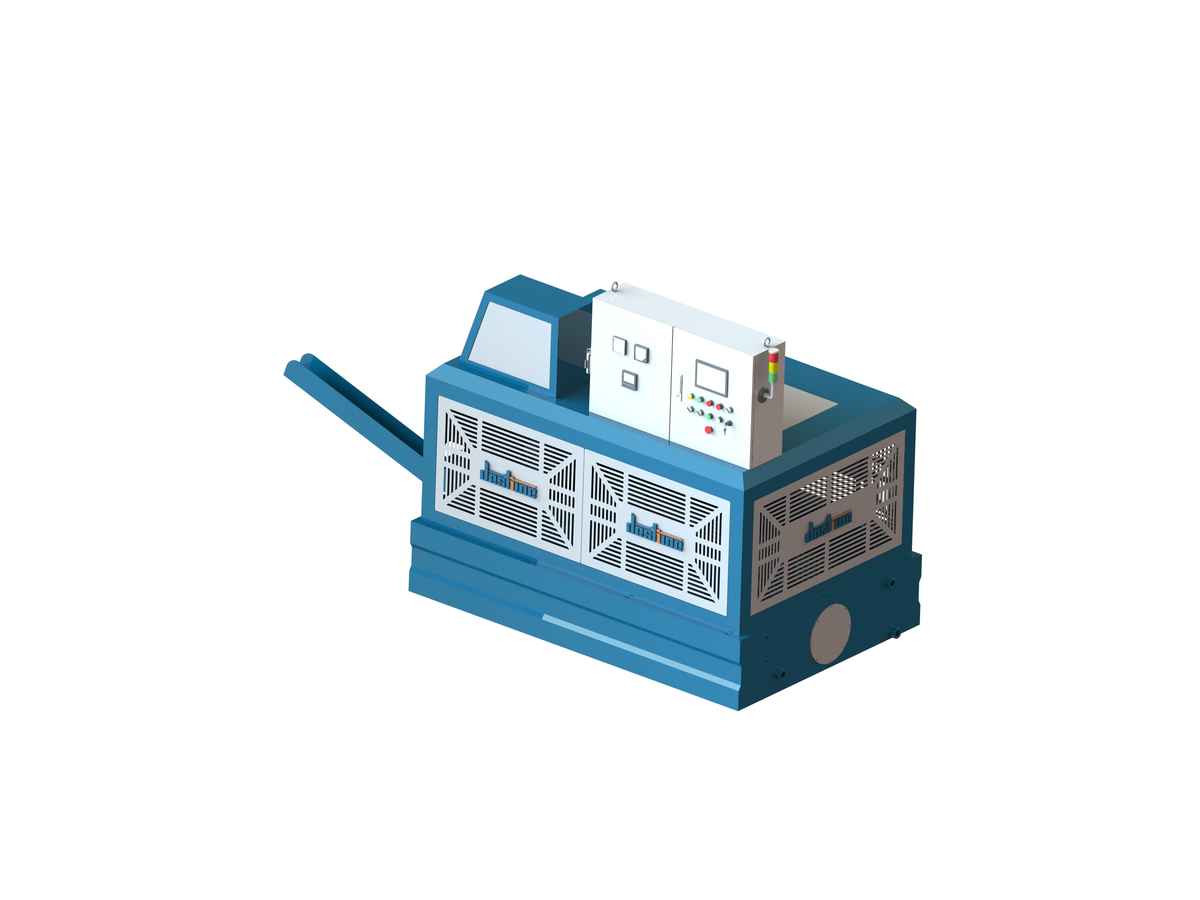
A useful briquetting trial checks repeatable feeding, briquette quality and downstream acceptance using representative chips. A dense-looking sample alone is not a purchase specification.
What should a briquetting trial prove?
A metal chip briquetting trial should establish whether representative swarf can be fed consistently, formed into acceptable briquettes and handled by the intended downstream process. It should record the test conditions as carefully as the finished product.
Metal briquetting presses compact suitable machining chips under pressure. Some configurations also separate residual cutting fluid during pressing. Actual results depend on the feedstock and equipment, so an attractive sample photograph is only the beginning of an assessment.
Use the following checklist to turn a trial into evidence that can support a buying decision.
Choose a representative sample
Identify the metal or alloy and the machining operation that produces the chips. Record whether the material contains short chips, curls, long tangled turnings or fines. Explain the normal variation across tools, jobs and shifts rather than sending only the easiest material.
Agree sample quantity, packaging and shipment requirements with the supplier before dispatch. Material with unusual contaminants or reactive characteristics needs a specific suitability and handling review; this guide is not an operating or transport instruction.
- Label each batch by alloy and source.
- Record storage time and known residual fluid.
- Include photographs of ordinary production material.
- Identify tramp metal, abrasive residue or other contaminants.
For a starting point, review the steel and cast-iron chip application. Do not assume that an assessment for one alloy transfers unchanged to another.
Agree the measurements before the trial
Ask for a brief test plan showing what will be measured and what remains an estimate. Record feed mass and elapsed time with a clear statement of interruptions or preparation outside the press. If preprocessing is needed, include it in the proposed system scope.
| Check | Useful record |
|---|---|
| Feeding behavior | Preparation required and observed interruptions |
| Briquette consistency | Dimensions, mass and variation across samples |
| Handling integrity | Condition after the agreed handling assessment |
| Fluid separation | Collected quantity and stated measurement basis |
| Output | Measured rate, elapsed period and test conditions |
Where density or residual fluid is important, agree a measurement method and acceptance limit. A visual judgment such as “very dense” or “almost dry” cannot substitute for a defined result.
Include the receiving recycler or foundry
Confirm the downstream customer’s requirements before deciding whether a test is successful. Ask about acceptable alloy segregation, briquette dimensions, contamination and handling condition. A mechanically sound briquette still needs acceptance for its intended destination.
If you intend to remelt internally, have the responsible foundry team evaluate suitability within its own process. Do not infer melt yield, furnace compatibility or charging safety from a pressing demonstration alone. Any trial involving remelting requires its own qualified review.
If separated cutting fluid is intended for reuse, assess its condition and treatment needs with the responsible fluid-management team. The volume collected is not automatically the volume suitable for return to machining.
Translate test findings into a purchase scope
Keep the sample report attached to the quotation. It should identify the tested material, machine configuration, preparation steps, results and limitations. Ask the supplier which findings are demonstrated and which proposed production conditions still require confirmation.
Compare single-outlet briquetting presses and vertical briquetting presses against the same acceptance criteria. Include feed storage, metering, fluid collection and finished-product handling where needed.
Repeat or extend the assessment when material variation is substantial. A short trial can help screen suitability, but it cannot establish long-term wear, uninterrupted production or commercial payback by itself.
Where the material assessment justifies preparation, review the lifting, shredding and briquetting arrangement as a complete scope.
Frequently asked questions
Can one test cover aluminum, steel and cast iron?
Different materials should be identified and assessed separately. Ask the supplier which additional tests are needed to support your actual material mix.
Does a dense briquette guarantee a higher scrap price?
No. The receiving buyer determines commercial acceptance and price. Obtain its requirements and a relevant offer before including a premium in your business case.
What if long chips feed poorly?
Record the issue and ask whether preprocessing or a different feed arrangement is appropriate. Include any additional equipment in the technical and commercial evaluation.
Discuss your project
Discuss a chip-material assessment with DerShan. Send alloy details, representative photos, daily volume and the required briquette destination.
Technical references
Manufacturer references explain general equipment principles. Their model specifications and reported results do not describe DerShan equipment performance.