
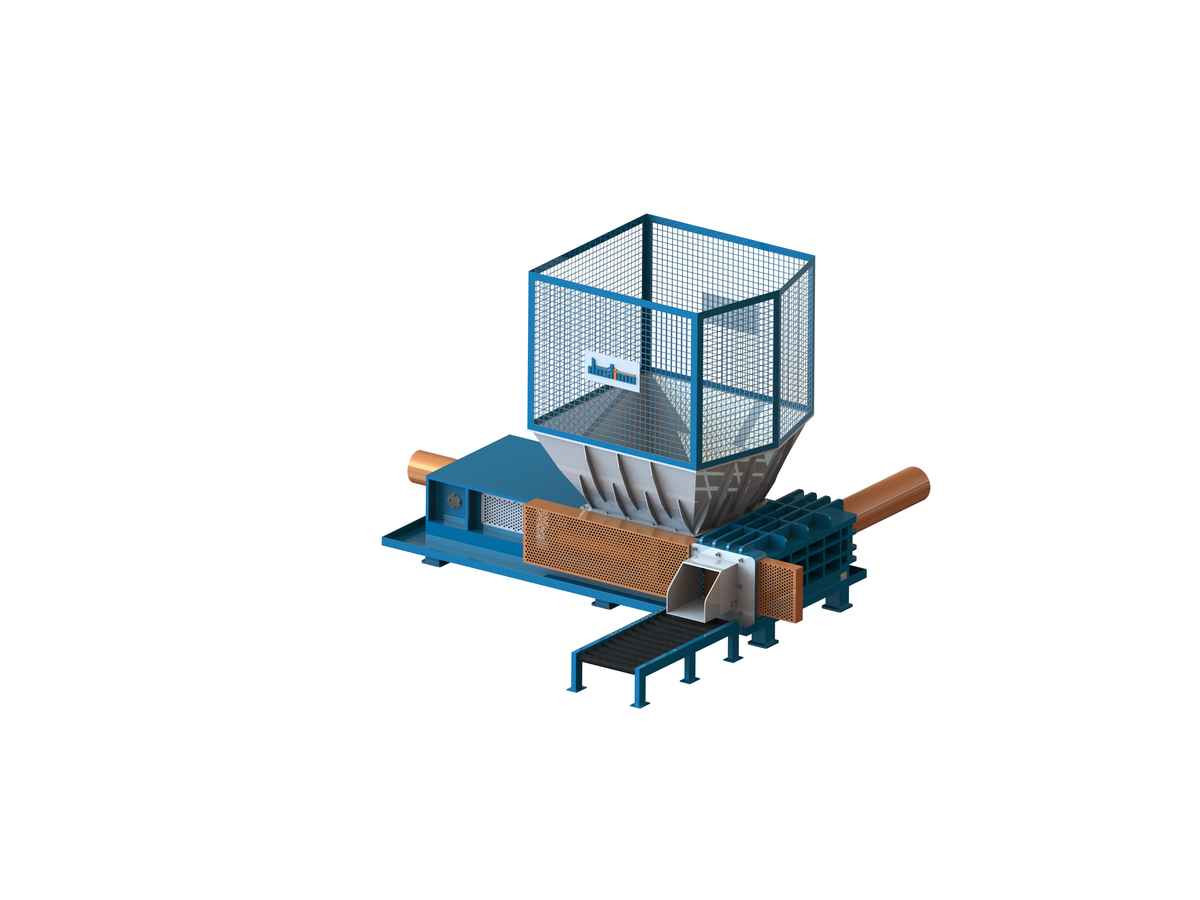
Plan baler capacity around saleable output per working hour, including loading and discharge. A nominal press cycle is only one part of the production picture.
How should you assess baler capacity?
Assess scrap metal baler throughput using representative bale weight, the complete repeatable production cycle and the time actually available for processing. Confirm whether a quoted capacity includes loading, discharge and ordinary interruptions.
A machine may have a fast compression cycle while the surrounding process waits for scrap or finished-bale removal. Capacity planning therefore needs a description of the whole workflow, alongside the press specification.
The aim is to identify the limiting step before purchasing equipment. This guide offers a practical way to structure supplier discussions without assuming a universal tonnes-per-hour figure.
Separate three different capacity figures
Ask suppliers to label each figure clearly. A hydraulic cycle time describes a machine sequence under stated conditions. A calculated hourly output converts an assumed bale mass and cycle frequency into mass per hour. Sustained production measures output over an agreed period with the actual handling arrangement.
| Figure | Question to ask |
|---|---|
| Machine cycle time | Which movements and waiting periods are included? |
| Calculated capacity | What bale weight and feed material were assumed? |
| Sustained output | How long was the observation and what interruptions occurred? |
Do not compare these three figures as if they were interchangeable. Where only a calculated estimate is available, keep its assumptions visible in the purchase evaluation.
Use a transparent planning calculation
For planning, hourly output in tonnes equals average bale weight in kilograms multiplied by completed bales per hour, divided by 1,000. This is a mass calculation, not a guarantee of machine performance.
As an illustrative example only, 20 completed bales averaging 100 kilograms represent 2 tonnes of output in one hour. The same number of cycles with lighter bales produces less mass. Neither number is a DerShan equipment rating.
For daily planning, use the hours available to the complete process after scheduled breaks, inspections and planned changeovers. Agree separately how to handle unexpected stoppages. Avoid subtracting the same downtime twice if it is already included in a measured hourly rate.
Run a conservative scenario using your lighter feed mix or busiest changeover pattern. That exposes whether the proposed system has enough margin for the production conditions you actually expect.
Find bottlenecks outside the press
Walk through the material route on a layout drawing. Can scrap arrive at the required rhythm? Is there enough buffer space without blocking access? Can completed bales leave the discharge area before the next cycle requires it? These questions deserve answers before equipment size is finalized.
Check how often an operator or shared loader serves another task. Where several scrap grades use the same line, include segregation and changeover requirements. Oversized or unsuitable pieces may require a separate preparation step that should have its own capacity assessment.
Review hopper-type shear baler configurations and three-way compression balers against your feed route. A larger hopper or different compression arrangement does not by itself prove higher sustained site output.
Agree how capacity will be demonstrated
Before ordering, propose a written performance-review plan. Identify the feed material, permitted variation, loading method, output requirements and observation period. Ask how off-specification bales, stoppages and unfinished material will be recorded.
- Weigh representative finished bales rather than relying on appearance.
- Record the complete elapsed period and explain excluded time.
- Keep material grades and test conditions traceable.
- Confirm that finished bales meet the receiving buyer’s requirements.
Report the result together with its limits. A demonstration on one clean, uniform scrap stream should not be presented as verified performance for every material your yard may receive. Revisit the estimate when the feed mix or handling arrangement changes.
The aluminum baling line overview provides an example of planning collection, transfer and baling together.
Frequently asked questions
Can I calculate tonnes per hour from cycle time alone?
No. You also need representative bale mass and a clear definition of the complete cycle. Loading and discharge can materially change the result.
Will a higher-force baler always process more scrap?
No. Force is only one selection parameter. Feed characteristics, bale requirements and the complete production workflow must be considered together.
How much spare capacity should I request?
There is no universal margin. Share peak volumes, material variation, available hours and growth plans so the supplier can explain a suitable allowance.
Discuss your project
Discuss your baler capacity target with DerShan. Include daily tonnage, working hours, scrap photos and the proposed loading method for a project-specific assessment.
Technical references
Manufacturer references explain general equipment principles. Their model specifications and reported results do not describe DerShan equipment performance.