
Metal Shears
ASM Mini Alligator Shear Machine
Compact hydraulic shearing for suitable scrap metal and workshop offcuts
A compact hydraulic alligator shear for preparing suitable metal offcuts for recycling. Review material requirements and confirm the configuration for your site.
ASM seriesSeries cutting force: 400–2,500 kNSeries blade length: 400–1,200 mm
Suitable materials
PRODUCT VIDEO
ASM Mini Alligator Shear Machine video
01 / PRODUCT DESCRIPTION
ASM Mini Alligator Shear Overview
Compact scrap-metal cutting for recycling.
ASM Mini Alligator Shear: Materials, Design and Selection
Review the compact shear layout, assess your scrap and define the right cutting configuration.
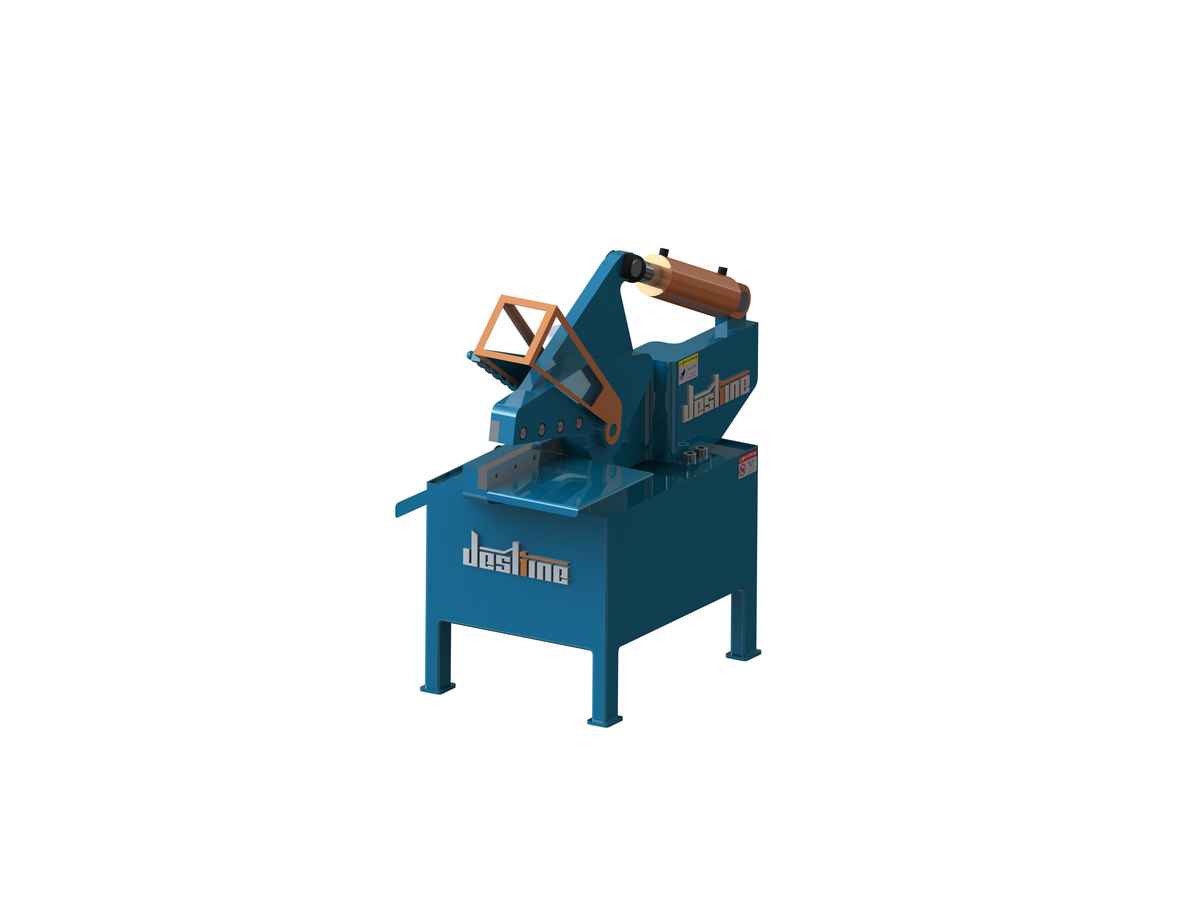
The ASM Mini Alligator Shear Machine is a compact hydraulic scrap metal shear for cutting suitable metal offcuts into shorter pieces for recycling and handling. Also known as a small crocodile shear, it uses a pivoting upper blade and a fixed lower blade to shear material placed in the cutting area.
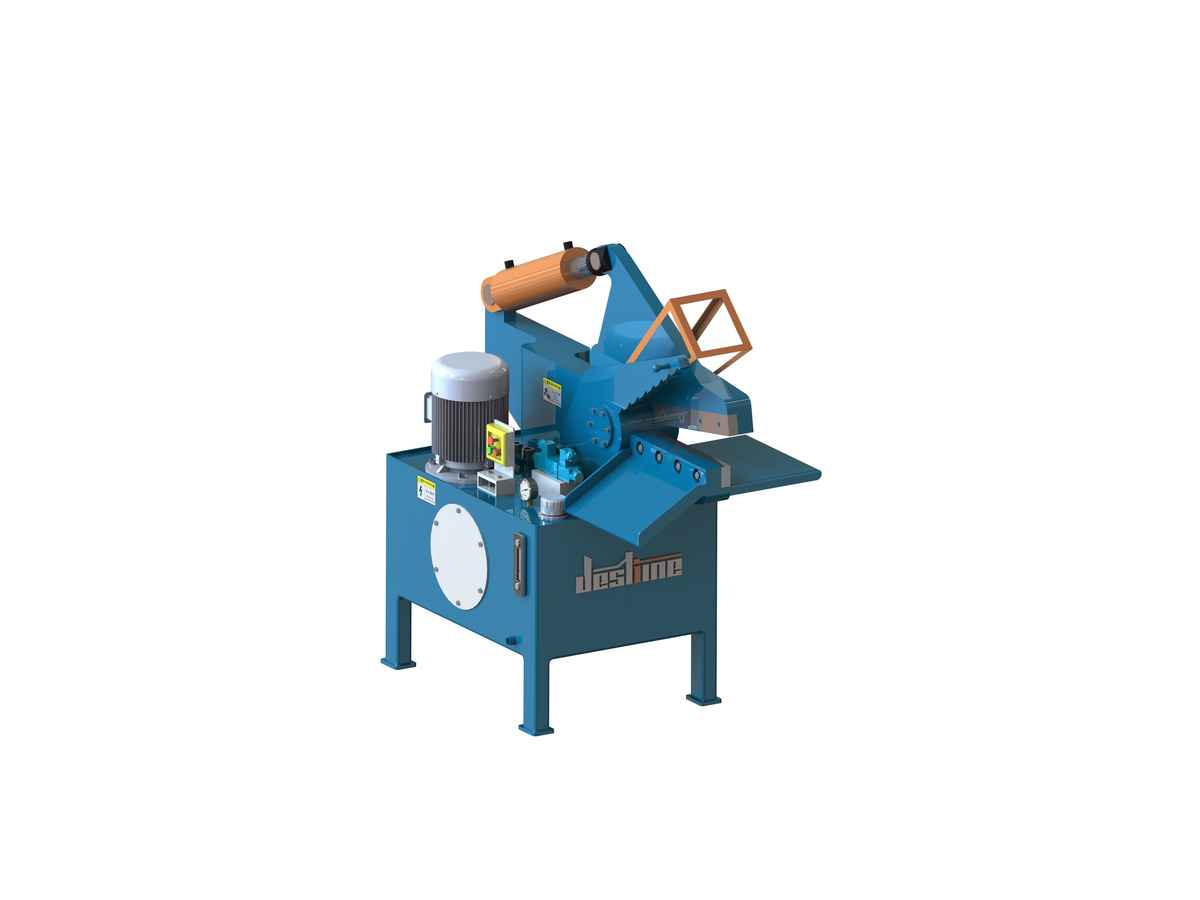
The integrated layout brings the cutting assembly and hydraulic power unit together on one base. It is a practical equipment format to evaluate for workshops and metal-recycling operations that need a dedicated cutting station. Match the machine to the material grade, section size and intended workload before selecting a configuration.
The supplied equipment views show the shear from four angles. Final cutting capacity, dimensions, controls and accessories are defined by the selected machine specification.
The ASM series covers a cutting-force range of 400–2,500 kN and blade lengths of 400–1,200 mm. These are ranges across configurations, not the specification of every machine or a guarantee for every scrap material.
02 / MATERIALS & OUTPUT
Materials and Applications
Match the material and section to the machine.
Use the material itself as the starting point for machine selection. Metal type alone does not establish cutting suitability: the grade, thickness, cross-section and condition also matter.
- Steel offcuts: assess rebar, tube, pipe and plate against the selected machine's cutting limits.
- Copper scrap: provide the form and dimensions of tubes, bars or offcuts for assessment.
- Aluminium scrap: identify the alloy and section geometry of profiles, tubes or other offcuts.
- Workshop and recycling use: plan how incoming pieces will be supported and how cut material will be collected.
Send representative photographs and the largest expected section dimensions when requesting a recommendation. Confirm suitability for each material stream rather than assuming that one stated cutting size applies to every metal and shape.
03 / STRUCTURE & FEATURES
Equipment features.
Compact Hydraulic Design
Review the integrated cutting layout.
Hydraulic cutting action: a cylinder drives the pivoting upper jaw toward the lower blade.
Work-support surface: the front support area helps define the loading position; long or awkward material may require additional support.
Accessible controls: the supplied views show a button-control station beside the motor and hydraulic assembly. Confirm the operating modes for the selected configuration.
Installation planning: allow space for loading, cut-piece collection and maintenance, not just the machine base.
The renderings illustrate the machine layout. Confirm the final guarding, controls and supplied equipment in the approved specification.
04 / WORKING PRINCIPLE
How the Alligator Shear Works
Understand the hydraulic shearing process.
Assess the scrap. Verify the material grade and section dimensions against the machine's approved cutting limits.
Prepare the work area. Arrange suitable material support and collection space in accordance with the machine manual.
Position the material. Use the approved loading procedure while keeping clear of the cutting zone.
Make the cut. The hydraulic cylinder moves the upper blade toward the lower blade to shear the material.
Collect and repeat. Remove cut pieces only through the approved handling procedure and prepare the next piece.
This describes the process, not an operating procedure. Operators must follow the machine-specific manual and training requirements.
05 / TECHNICAL REFERENCE
Specifications and Configuration
Define the configuration for your material and site.
The values below describe the ASM series range across configurations. They are not a single-model specification, and the highest values should not be assumed to occur together. Select the machine around the actual material grade, cross-section and workload, then confirm its configuration-specific technical sheet before ordering.
| Parameter | ASM series / configuration guide |
|---|---|
| Product | ASM Mini Alligator Shear Machine |
| Machine type | Hydraulic alligator / crocodile shear |
| Equipment layout | Integrated cutting assembly and hydraulic power unit |
| Intended process | Cutting suitable scrap metal into shorter pieces |
| Material assessment | Grade, form, thickness and cross-section to confirm |
| Cutting force, series range | 400–2,500 kN |
| Blade length, series range | 400–1,200 mm |
| Maximum opening size, series range | 280–420 mm |
| Cutting frequency, series range | 12–20 cuts/min; operating conditions and selected configuration apply |
Cutting frequency is not an hourly production guarantee. Material handling, section size and scrap grade affect actual output. Confirm motor power, electrical supply, machine dimensions, weight and all included equipment in the technical proposal.
For a useful recommendation, provide the metal grades, photos, maximum section dimensions, desired cut length, hourly or daily workload, local electrical supply and available floor area. Include your delivery destination when requesting freight pricing.
Options to discuss
Discuss control preferences, material support or feeding arrangements, cooling requirements and any mobility requirement with Dershan. Availability depends on the selected configuration. Confirm all included accessories and optional equipment in the quotation.
07 / QUESTIONS & SUPPORT
Product questions,
answered.
Mini Alligator Shear Questions
Practical answers for machine selection.
Does mini mean the ASM can cut any scrap that fits its jaw?
No. ASM identifies a mini alligator-shear range, not an unrestricted cutting envelope. The integrated cutting head and hydraulic power unit suit a compact cutting station, but material grade, section thickness and geometry still determine suitability. Confirm the exact configuration's cutting force, blade length and opening together before approving any scrap stream.
How should we describe workshop offcuts for an ASM selection?
List each metal and grade, then give the largest solid section or the outer dimensions and wall thickness of tubes and pipes. Include the required finished length and photographs showing long or awkward pieces. Steel, copper and aluminium enquiries need separate section checks; one nominal cutting size should not be applied across all three.
Can the highest ASM series ratings be combined in one machine?
Do not assume that the highest cutting force, blade length, opening and cutting frequency occur together. The published values span different configurations. Ask for the matched technical sheet for the proposed ASM and review it against the toughest grade and largest section in your workload, rather than assembling a specification from separate series maxima.
How can we estimate ASM output for a small recycling operation?
Measure the complete process using typical scrap: support and position the piece, complete the required cuts and collect the output using the approved workflow. Cutting frequency alone is not hourly production. Include normal handling delays and variation in section size, and confirm that the tested material mix reflects the operation you intend to run.
Does the ASM front support surface remove the need for additional handling equipment?
Not necessarily. The supplied layout shows a front work-support area, but long, heavy or awkward pieces may require further support under the approved loading plan. Confirm feeding, controls, guarding and cut-piece collection separately. Allow space around the common base for incoming stock and maintenance instead of planning only around the mini machine's footprint.
What should an ASM maintenance plan focus on?
The pivoting jaw, blades and mountings, hydraulic assembly, controls and protective devices require inspection according to the selected machine's manual. Confirm how blade service and access around the common base will be handled. Qualified personnel must follow lockout and stored-energy procedures before servicing; worn blades or difficult cuts should not be addressed through unauthorized machine adjustments.
What should we agree before an ASM sample cutting test?
Identify the sample grade, dimensions and target cut length, including the most demanding approved section and routine everyday pieces. Use the proposed support and handling method. Ask the test record to identify the machine configuration, completed cuts and elapsed processing time so it demonstrates the intended application rather than an unspecified demonstration cut.
Equipment Recommendation
Tell Us About Your Material and Capacity
Share the key operating conditions below so our team can compare suitable equipment and prepare a practical configuration.
✓ Material & Capacity Review✓ Configuration Recommendation✓ Pricing & Lead-Time Inquiry