
Metal Shears
ASY Integrated Alligator Shear Machine
Bring scrap-metal cutting and hydraulic power together in one integrated unit
An integrated hydraulic alligator shear for preparing suitable metal offcuts for recycling. Explore the common-base layout and select a configuration around your scrap.
ASYIntegrated hydraulic layoutScrap-metal cutting
Suitable materials
PRODUCT VIDEO
ASY Integrated Alligator Shear Machine video
01 / PRODUCT DESCRIPTION
A Dedicated Cutting Station for Your Scrap
Bring cutting and hydraulic power together.
ASY Integrated Alligator Shear: Design, Applications and Selection
Explore the integrated layout and build a cutting specification around the metal you process.
The ASY Integrated Alligator Shear Machine brings the cutting assembly, hydraulic power unit and controls together on a common base. Designed for cutting suitable metal scrap into shorter pieces, this integral hydraulic shear offers a consolidated equipment layout for recycling yards and metalworking operations.
Turn long offcuts into more manageable lengths for collection and downstream processing. The pivoting alligator-style jaw closes against the lower blade to shear the material, while the integrated arrangement keeps the main machine components together at the cutting station.
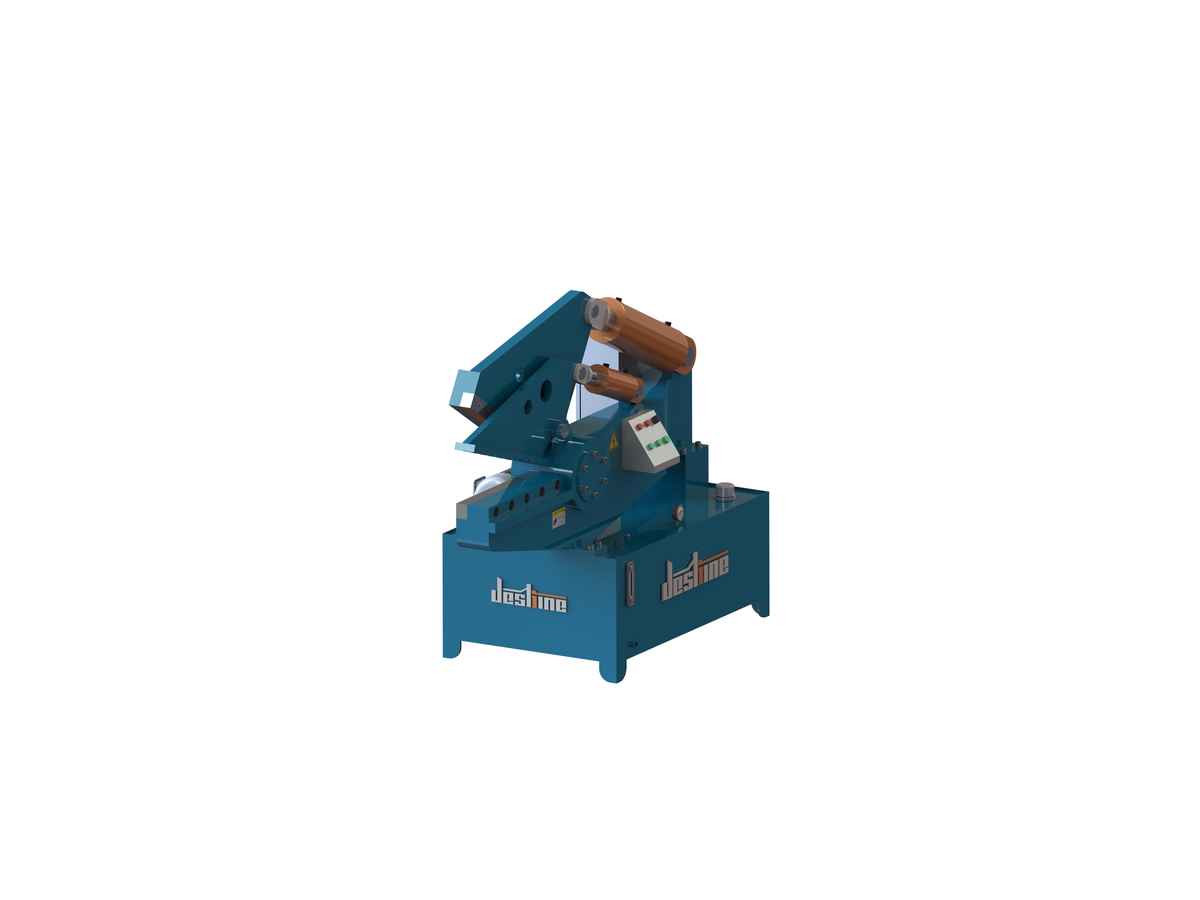
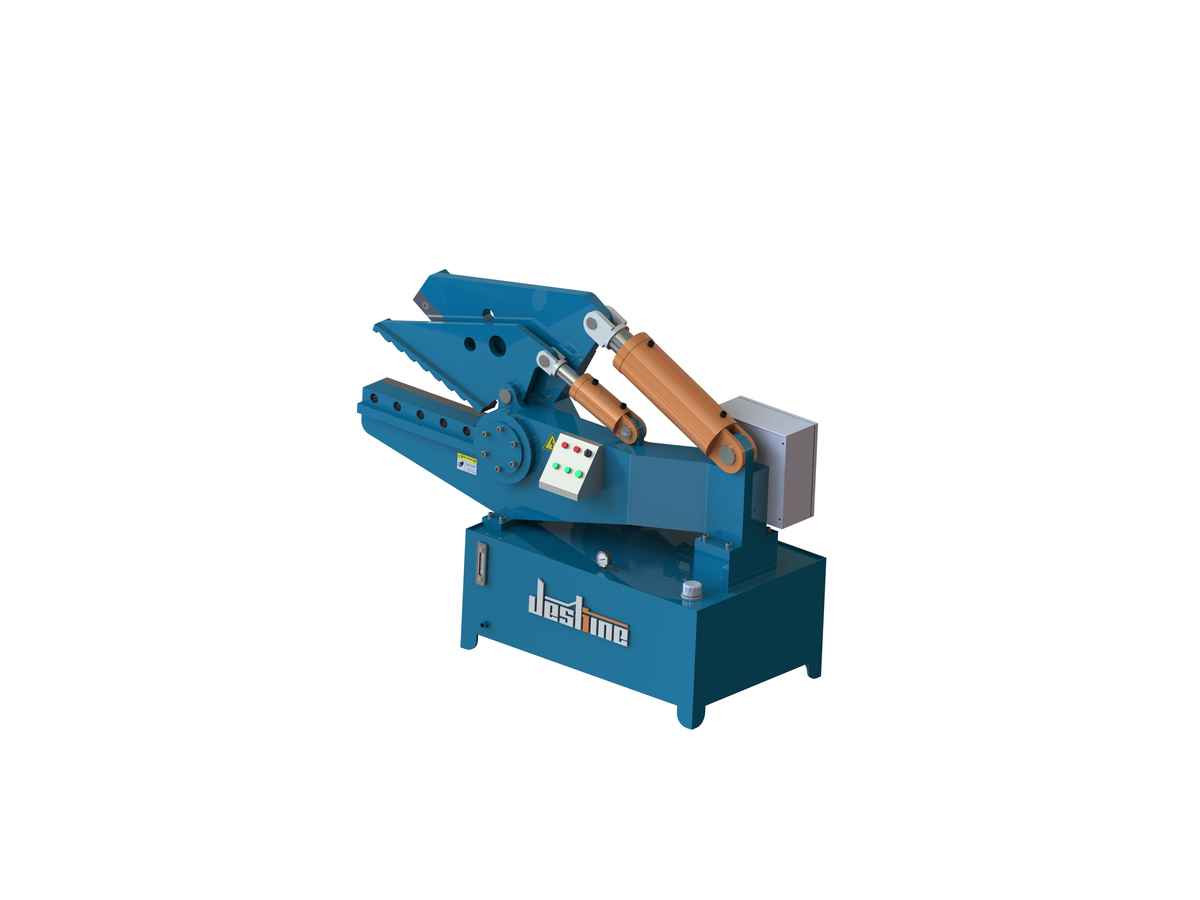
Start with the scrap you handle every day. Dershan can review your material grade, section dimensions and workload to help define the appropriate configuration. The four product renderings show the cutting jaw, hydraulic cylinders, motor and control arrangement from different angles.
02 / MATERIALS & OUTPUT
Materials and Recycling Applications
Match the shear to your scrap stream.
An integrated alligator shear is an option to assess when preparing production offcuts and scrap sections for metal recycling. Typical material enquiries include:
- Steel pipe and tube offcuts: provide outside dimensions, wall thickness and steel grade.
- Rebar and steel sections: identify the grade, shape and largest cross-section.
- Plate offcuts: specify thickness, width and the required finished length.
- Copper and aluminium scrap: describe the alloy and whether the material is tube, bar, profile or another form.
Cutting suitability depends on the material and section, not just the name of the metal. Send representative photographs and the largest expected dimensions so the proposed machine can be checked against your actual scrap stream.
03 / STRUCTURE & FEATURES
Equipment features.
Integrated Design, Clear Equipment Layout
Review the common-base arrangement.
Hydraulic jaw movement. The visible cylinder-and-pivot arrangement drives the upper cutting jaw toward the lower blade.
Controls beside the cutting assembly. A machine-mounted button panel places the control interface on the unit; the rear views also show the electrical cabinet.
Four views for installation planning. Inspect the cutting side, power-unit side and rear arrangement before discussing access, material support and maintenance clearance.
Plan the station around the full material flow: incoming stock, support for long pieces, cut-scrap collection and clear operator access. The supplied renderings illustrate the layout; the final equipment specification defines guarding, control functions and included accessories.
04 / WORKING PRINCIPLE
Select the Shear Around Your Material Flow
Build the specification around your operation.
Define the hardest cutting task. Provide the metal grade and the largest section, including wall thickness for hollow material.
Specify the finished piece. Tell us the target cut length and how the cut scrap will be collected or processed next.
Describe the workload. Share the expected daily volume and operating hours, including any variation in incoming material.
Check the installation. Provide your voltage, frequency, phase, available floor area and material-handling arrangements.
Review the proposal. Compare the selected cutting specification, included equipment, delivery scope and commercial terms.
Do not choose on motor power alone. Cutting force, blade geometry, opening size and the material specification need to be considered together. For an application review, ask about a cutting demonstration using representative scrap.
05 / TECHNICAL REFERENCE
Product Specifications
Understand the equipment format.
| Parameter | ASY integrated shear |
|---|---|
| Machine type | Hydraulic alligator / crocodile shear |
| Equipment layout | Cutting assembly and hydraulic power unit on a common base |
| Cutting mechanism | Pivoting upper jaw and fixed lower blade |
| Control interface shown | Machine-mounted button panel |
| Intended process | Cutting suitable metal scrap and offcuts into shorter pieces |
Request the configuration-specific technical sheet for cutting force, blade length, jaw opening, motor power, electrical supply, machine dimensions and weight. Confirm these values against your material before ordering.
07 / QUESTIONS & SUPPORT
Product questions,
answered.
Integrated Alligator Shear Questions
Answers for equipment selection.
What is integrated in the ASY alligator shear?
The cutting assembly, hydraulic power unit and controls are brought together on a common base. The layout provides one consolidated cutting station, with a pivoting upper jaw and lower blade. Integration describes the machine arrangement; it does not by itself confirm automatic feeding, particular control modes or a guaranteed rate of production.
Can ASF or ASM cutting ratings be used to size an ASY?
No. Use the configuration-specific ASY technical sheet for cutting force, blade length, jaw opening, motor rating and machine dimensions. A similar alligator-jaw appearance does not make another series' ratings applicable. Provide your material grades, largest sections and workload so the proposed ASY specification can be checked against the actual cutting task.
Which details matter most for ASY pipe and plate enquiries?
For pipe and tube, provide outside dimensions, wall thickness and grade. For plate, identify thickness, the width involved in the cut and desired finished length. Include how pieces will be presented and supported. Metal type alone is insufficient, and a rating for a single solid bar cannot establish suitability for an unrelated profile or bundle.
How should ASY production capacity be demonstrated?
Agree a representative mix of sections and the required cut lengths, then assess completed processing with the intended loading and collection method. Record elapsed time and processed mass or piece count, as appropriate to the operation. A short jaw movement or motor-power rating cannot establish daily output because material positioning and removal are part of the work.
What space should remain around the ASY common base?
Plan incoming stock, support for long pieces, cut-scrap collection and clear operator access as one station. Keep the hydraulic power-unit and electrical-cabinet service areas accessible according to the final drawing. The integrated arrangement reduces separate equipment to position, but it does not eliminate loading clearance, maintenance access or the protective layout needed for the selected workflow.
What maintenance requirements should be confirmed for the ASY?
Request the machine-specific maintenance plan for blades and mountings, the pivoting jaw, hydraulic components, controls and protective devices. Check that the common-base layout leaves the necessary service access. Inspection intervals and service methods must follow the manufacturer's manual; qualified personnel should apply lockout and stored-energy controls before blade work or access to guarded components.
What should an ASY acceptance demonstration include beyond a successful cut?
Include the toughest agreed grade and largest section, together with ordinary production offcuts. Record the selected configuration, material support, feeding method, target length and completed output. Review handling and collection as well as cutting. The agreed result should state which materials and operating conditions were demonstrated, without implying that untested sections are covered.
Equipment Recommendation
Tell Us About Your Material and Capacity
Share the key operating conditions below so our team can compare suitable equipment and prepare a practical configuration.
✓ Material & Capacity Review✓ Configuration Recommendation✓ Pricing & Lead-Time Inquiry