
Briquetting Presses
DSD Double Output Metal Chip Briquetting Machine
Hydraulic metal-chip briquetting with a dual-outlet discharge arrangement
The Dershan DSD Double Output Briquette Machine compresses suitable prepared metal chips into cylindrical briquettes. Explore its dual-outlet arrangement, material examples, operating process and configuration requirements.
DSD seriesHydraulic briquettingDual-outlet arrangementConfiguration to confirm
Suitable materials
PRODUCT VIDEO
DSD Double Output Metal Chip Briquetting Machine video
01 / PRODUCT DESCRIPTION
DSD Double Output Briquetter Overview
Hydraulic compaction with two discharge outlets.
DSD Double Output Briquetter: Materials, Operation and Selection
Explore metal-chip preparation, dual-outlet briquetting, equipment views and configuration guidance for the DSD series.
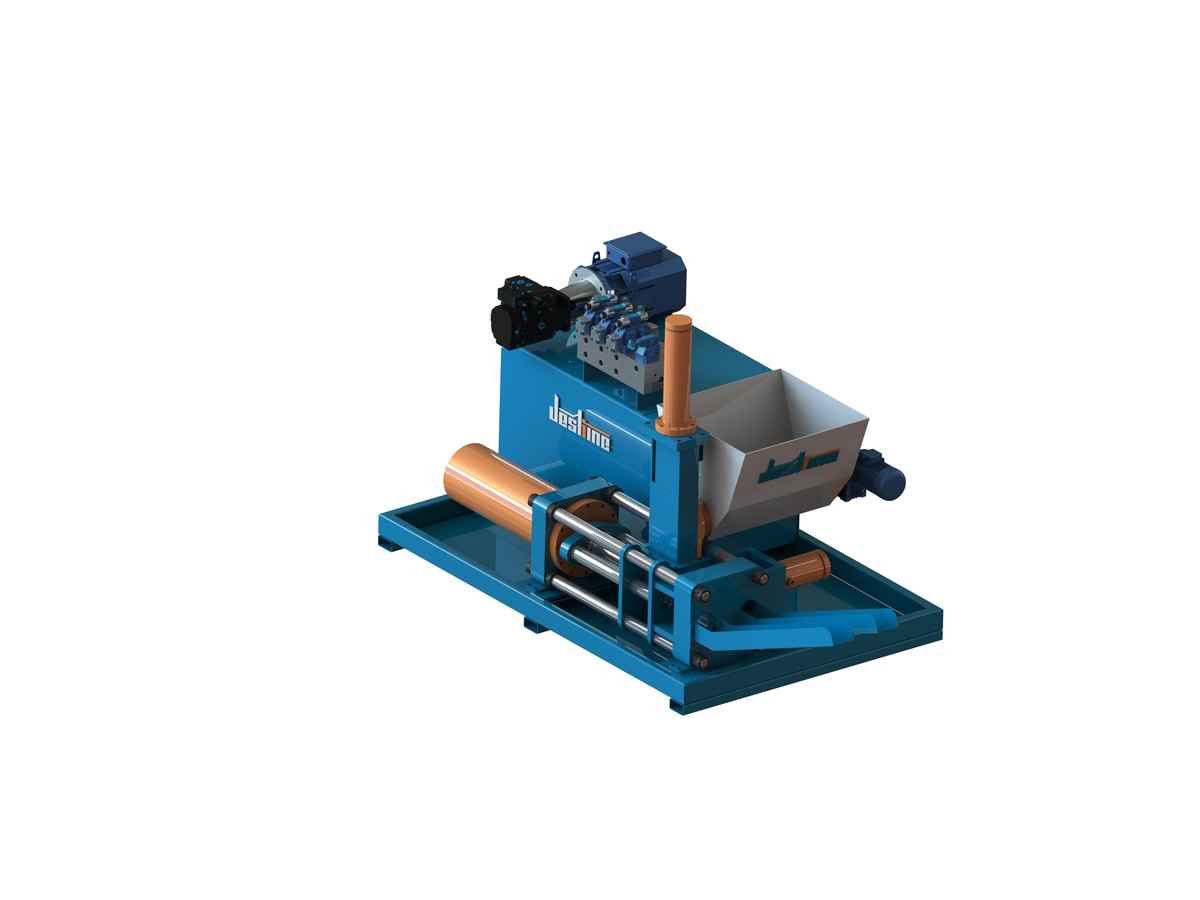
The DSD Double Output Metal Chip Briquetting Machine is a hydraulic press for consolidating suitable prepared metal chips into cylindrical briquettes. Its dual-outlet arrangement provides two discharge paths for collecting formed briquettes.
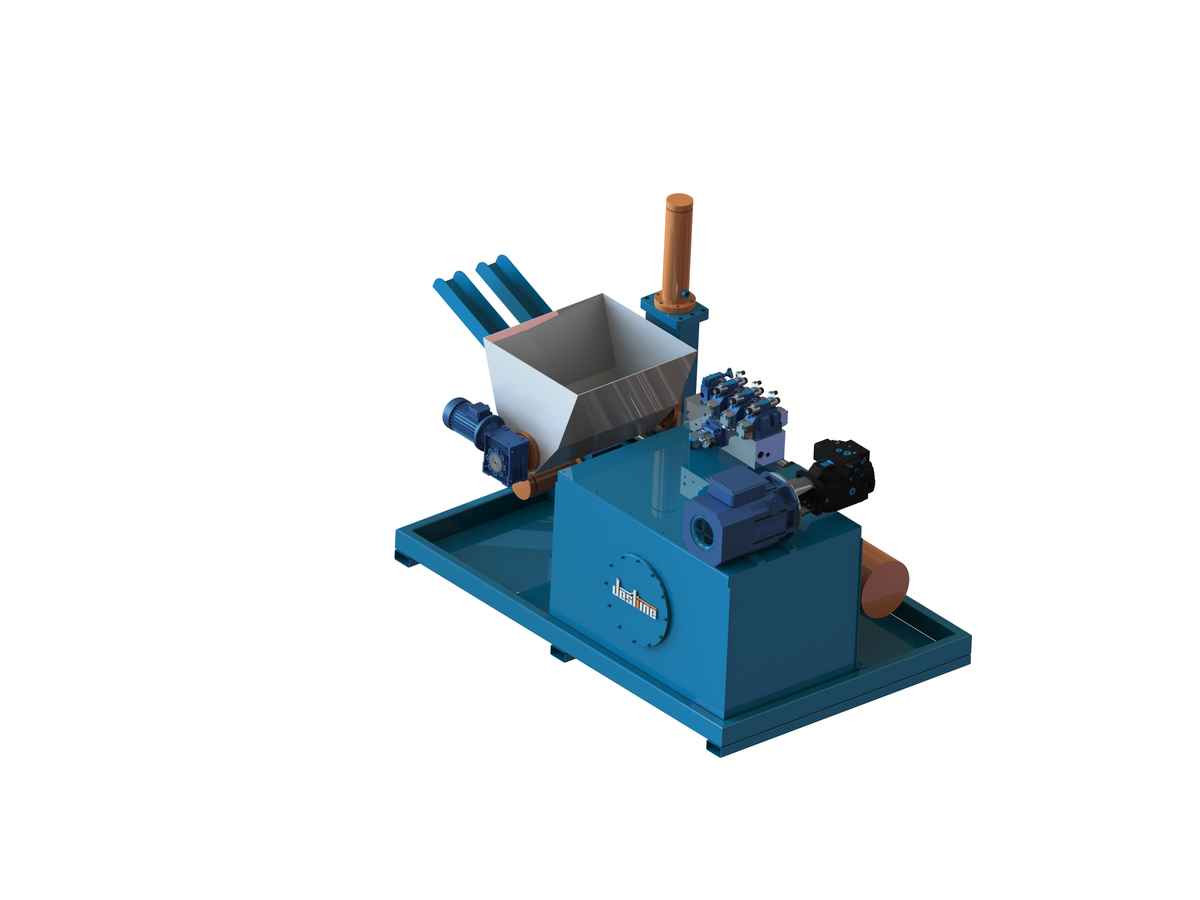
The supplied equipment renderings show the DSD press from three angles, including the hopper, hydraulic power unit and twin discharge channels. Final equipment, guarding, accessories and operating sequence must be confirmed for the selected configuration.
DSD is the series designation. Select the machine around the actual alloy, chip form, material condition and production requirements rather than assuming performance from the series name.
02 / MATERIALS & OUTPUT
Metal Chips & Cylindrical Briquette Examples
Assess the feedstock and required briquette properties.
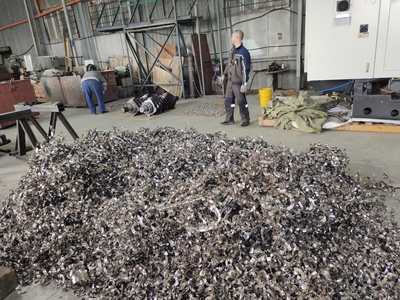
Prepared metal chips and machining swarf are the material focus for the DSD series. Identify the alloy and assess chip length, shape, loose bulk density, residual cutting fluid and contamination before selecting the press.
- Loose metal chips: confirm material composition and feeding behaviour using representative samples.
- Long or tangled turnings: assess size reduction and metering before loading.
- Wet or oily chips: specify drainage and collection appropriate to the actual coolant or lubricant.
- Mixed or unfamiliar materials: require a separate suitability and tooling review.
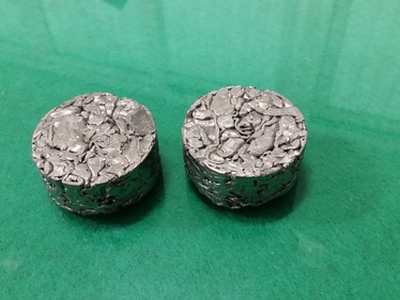
The supplied photographs illustrate loose chips and two cylindrical briquettes. They are not a verified before-and-after trial, do not identify the alloy conclusively and do not establish a guaranteed DSD production result. Fine powders, grinding sludge and hazardous contamination require separate assessment.
03 / STRUCTURE & FEATURES
Equipment features.
Dual-Outlet Design & Equipment Configuration
Match the equipment arrangement to the material stream.
Double output arrangement: two discharge channels support briquette collection; confirm their operating sequence and receiving layout.
Hopper and feeding: match loading and metering to chip form and bulk density.
Hydraulic power unit: confirm the pump, motor, cooling and maintenance access for the chosen configuration.
Controls and protection: specify operating modes, guards, interlocks and emergency stops in the final scope.
Fluid handling: confirm drainage, collection and any filtration required for wet chips.
Component brands, certifications and accessories require confirmation in the final equipment documentation.
04 / WORKING PRINCIPLE
How Double Output Briquetting Works
Prepare, feed, compress, discharge and collect.
Prepare:
identify and sort the material, and assess size, bulk density, fluid content and contamination.
Feed:
introduce a controlled charge through the approved feeding arrangement.
Compress:
apply hydraulic force within the selected die to form the briquette.
Discharge:
release formed briquettes through the configured dual-outlet system.
Collect:
route briquettes to the receiving area and manage any separated fluid through the specified collection system.
Check feed consistency, briquette condition and equipment status. Follow the supplied machine manual and site isolation procedures when inspecting hydraulic lines, guards and feeding or discharge paths.
05 / TECHNICAL REFERENCE
Technical Configuration & Selection
Confirm the selected machine against representative material.
The series designation is DSD. Numerical specifications require confirmation for the selected machine and material.
| Parameter | DSD configuration guide |
|---|---|
| Series | DSD |
| Machine type | Hydraulic double output metal-chip briquetting machine |
| Material focus | Suitable prepared metal chips and machining swarf |
| Discharge arrangement | Dual outlet; sequence and collection layout to confirm |
| Briquette form | Cylindrical; tooling to confirm |
| Pressing force and hydraulic pressure | Requires configuration confirmation |
| Throughput and cycle time | Requires configuration and material confirmation |
| Motor power and electrical supply | Requires configuration confirmation |
| Briquette diameter, weight and density | Requires tooling and material confirmation |
| Machine dimensions and weight | Requires configuration confirmation |
| Feeding, controls and cooling | Confirm the selected equipment and site requirements |
For selection, provide the alloy, chip photographs and dimensions, loose bulk density, residual-fluid condition, production requirement, target briquette properties, electrical supply and floor plan. Validate capacity, density and fluid separation with representative material where these outcomes matter.
07 / QUESTIONS & SUPPORT
Product questions,
answered.
DSD Briquetter Questions & Support
Practical answers for metal-chip briquetting.
Does DSD double output mean twice the production of a single-outlet press?
No. Double output describes the DSD's two discharge paths. It does not establish simultaneous operation or a fixed production advantage over another press. Confirm the selected machine's pressing and discharge sequence, then validate total accepted briquette output with representative chips and both receiving paths in the intended operating arrangement.
Which metal chips are confirmed by the DSD material photographs?
The photographs illustrate loose chips and cylindrical briquettes, but do not conclusively identify an alloy or demonstrate a verified DSD trial. Supply the actual metal grade, chip dimensions, bulk density and contamination details for assessment. Suitability and tooling must be confirmed for your material rather than inferred from the appearance of a sample briquette.
How should tangled chips be prepared for the DSD?
Assess whether long or tangled turnings need size reduction before controlled feeding. The hopper and metering arrangement must suit the chip geometry and loose bulk density, not just the desired hourly tonnage. Fine powders, grinding sludge and unfamiliar mixtures require separate review; the presence of two outlets does not broaden the approved feedstock.
How should DSD capacity be measured across two outlets?
Agree the material, die and operating sequence first, then measure the combined accepted briquette mass over elapsed production time. Record output and interruptions at each discharge path so collection constraints remain visible. Do not add theoretical outlet rates or assume both channels operate identically without evidence from the proposed machine and representative feedstock.
What needs to be specified when DSD feed contains cutting fluid?
Identify the coolant or lubricant, residual-fluid condition and any upstream treatment. The configuration should define drainage, collection and any filtration, with the receiving layout accounting for both discharge paths. Verify fluid separation during a representative trial. Neither the dual-outlet design nor briquette appearance establishes a recovery percentage or reusable fluid quality.
How should we arrange collection around the DSD twin discharge channels?
Use the final layout and operating sequence to position receiving containers or downstream handling equipment for both outlets. Allow for collection changes, safe access and hydraulic-power-unit service space. Confirm which channels, accessories and interfaces are supplied; the illustrations show an arrangement, not a complete delivery checklist or a verified automatic collection system.
Does the DSD require separate maintenance checks for each outlet?
Both discharge paths should be included in the inspection plan alongside the hopper, forming tooling, hydraulics, guards and controls. Compare any differences in discharge or briquette condition and report them through the prescribed maintenance process. Qualified personnel must use the manufacturer's lockout and stored-energy procedures before accessing either outlet or other protected areas.
What should a DSD acceptance test establish for our project?
Agree representative feedstock, tooling, discharge sequence and measurable acceptance criteria before the test. Record total sustained output, briquette dimensions and integrity, any required density, fluid collection and operation of both receiving paths. The report should distinguish tested results from unverified targets and identify the conditions needed to reproduce the demonstrated performance.
Equipment Recommendation
Tell Us About Your Material and Capacity
Share the key operating conditions below so our team can compare suitable equipment and prepare a practical configuration.
✓ Material & Capacity Review✓ Configuration Recommendation✓ Pricing & Lead-Time Inquiry