
Briquetting Presses
DSH Horizontal Metal Chip Briquetting Press
Horizontal hydraulic briquetting for prepared machining chips
The Dershan DSH horizontal briquetting press compacts suitable metal chips into cylindrical briquettes. Explore the 60–175 kW motor range, feeding requirements and configuration options.
DSH seriesHorizontal hydraulic press60–175 kW motor power
Suitable materials
PRODUCT VIDEO
DSH Horizontal Metal Chip Briquetting Press video
01 / PRODUCT DESCRIPTION
DSH Horizontal Briquetting Press Overview
Consolidate suitable prepared metal chips.
DSH Horizontal Briquetting Press: Materials, Process and Configuration
Assess your feedstock, review equipment views and select a configuration for metal-chip recycling.
The DSH Horizontal Metal Chip Briquetting Press uses hydraulic compression to form suitable prepared machining chips into cylindrical briquettes. Its horizontal pressing arrangement offers a defined forming and push-out discharge path for workshops and metal-recycling operations.
The DSH series has a motor power range of 60–175 kW. The actual motor rating is selected for the model and required operating conditions; this range is not a statement of energy consumption per tonne or a throughput guarantee.
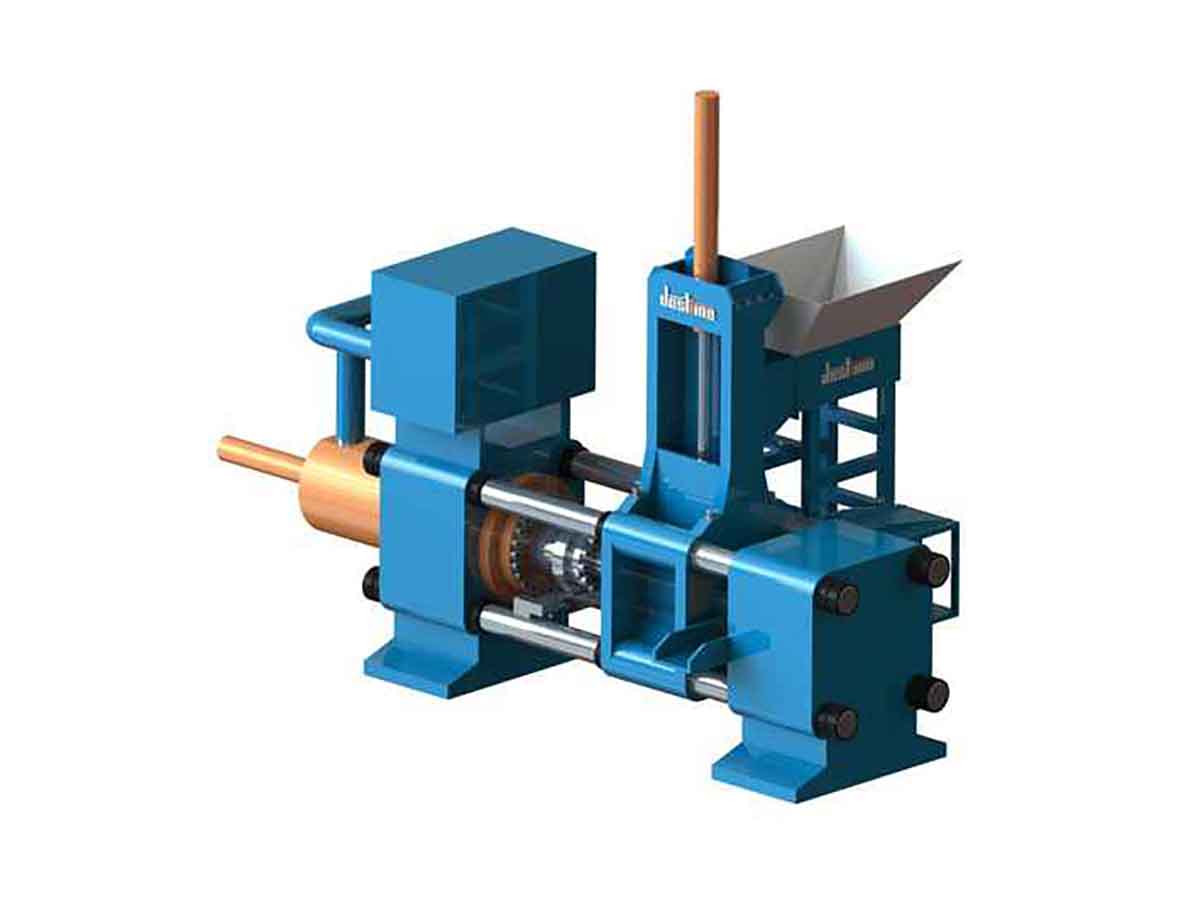
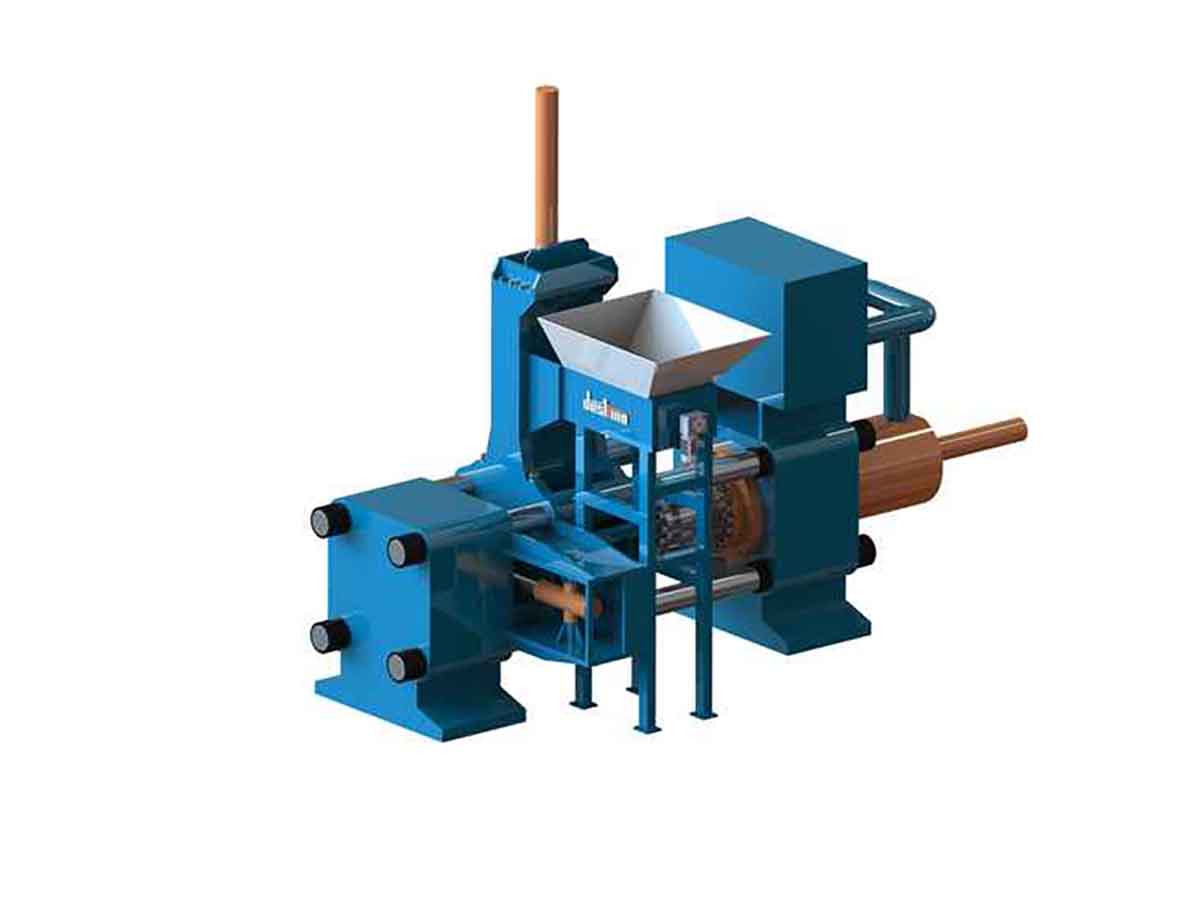
The supplied equipment renderings show the horizontal pressing frame and upper feeding assembly from several viewpoints. Choose the machine around the material stream, available installation area and downstream collection method. DSH is a series designation rather than one fixed machine specification.
02 / MATERIALS & OUTPUT
Metal Chips & Briquette Examples
Review feedstock and the desired briquette form.
Assess the actual alloy, chip form and contamination before selecting a horizontal briquetting press. Prepared steel, cast-iron, aluminium, copper or brass machining chips require separate suitability checks; the same configuration does not deliver identical results across materials.
- Chip form: long or tangled turnings may require size reduction before metered feeding.
- Material consistency: review particle-size distribution and loose bulk density.
- Cutting fluid: specify drainage and fluid collection where appropriate.
- Fine particles: assess material-specific dust, fire and handling hazards before processing; fine powders are not automatically suitable.
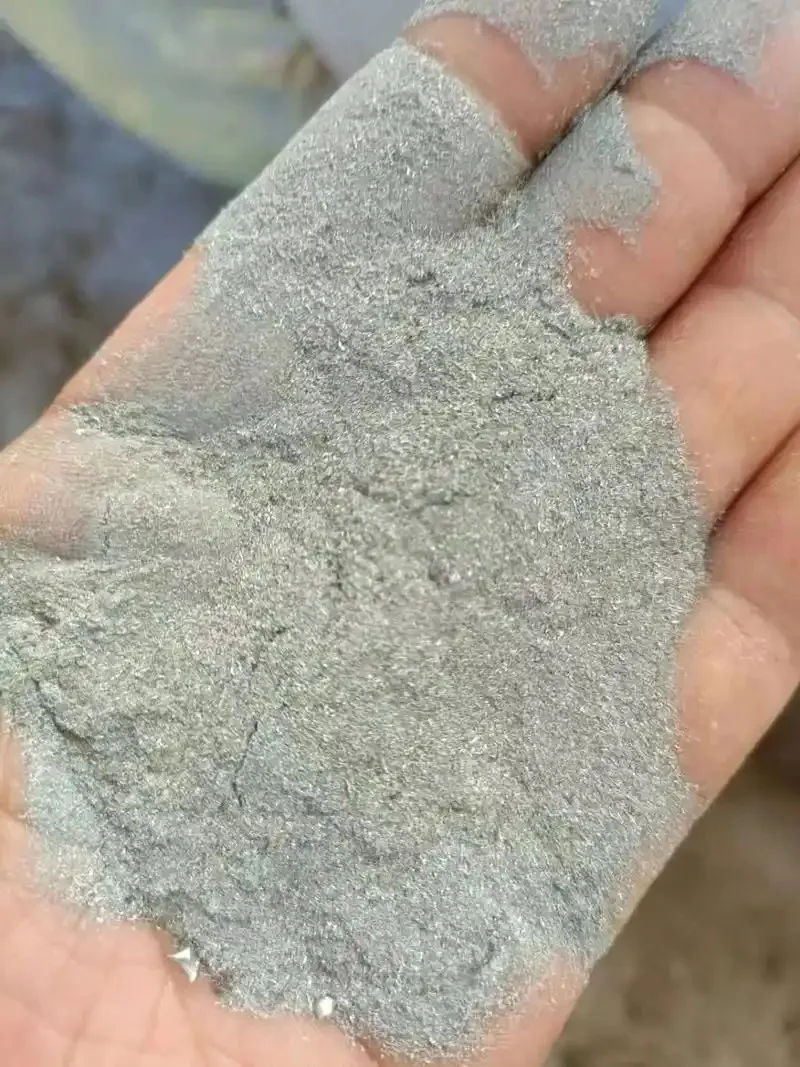
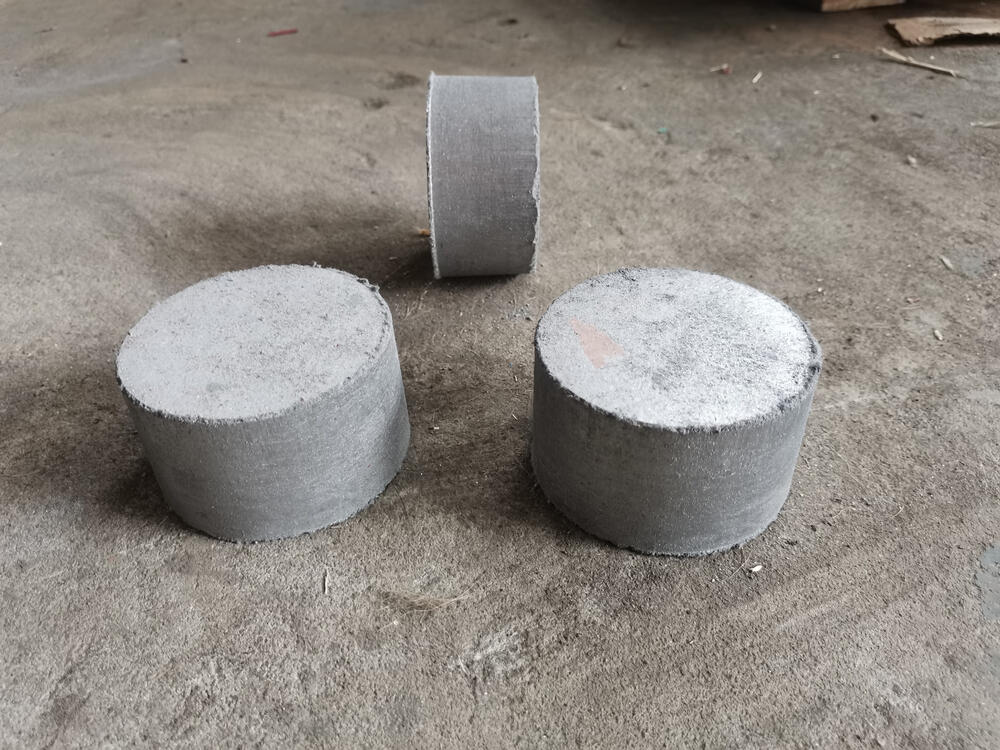
The supplied photographs are illustrative examples of fine metallic material and cylindrical briquettes. They are not a verified before-and-after DSH trial and do not establish alloy, briquette density or production capacity. Confirm suitability using representative material and the selected tooling.
03 / STRUCTURE & FEATURES
Equipment features.
Horizontal Press Design & Integration
Plan loading, pressing and collection around your site.
Upper feeding assembly: coordinate loading and metering with the incoming chip stream.
Push-out discharge: provide sufficient clearance and a receiving arrangement for formed briquettes.
PLC control: automatic and manual modes are specified as part of the approved operating configuration.
Line integration: review hopper or conveyor feeding, fluid collection and cooling requirements.
Maintenance access: allow space for tooling service, hydraulic inspection and safe access.
Final guarding, emergency stops, electrical supply, component selection and auxiliary equipment must follow the confirmed machine specification and site requirements.
04 / WORKING PRINCIPLE
How Horizontal Briquetting Works
Prepare, feed, press and collect.
Assess the feedstock:
identify the alloy, particle form, contamination and residual fluid.
Prepare and meter:
condition unsuitable long turnings where needed and introduce a consistent charge.
Compress horizontally:
the hydraulic pressing system consolidates the charge through the selected forming tooling.
Discharge and collect:
push the formed briquette out to the designated collection area.
Verify the output:
inspect briquette condition and monitor the feed and equipment against the approved settings.
Follow the machine manual and agreed safety procedures. Isolate the equipment before clearing blockages or accessing feeding, pressing and discharge areas. The material photograph is not an operating or handling instruction.
05 / TECHNICAL REFERENCE
Technical Specifications & Selection
Confirm the motor range and material-dependent performance.
The confirmed motor range is 60–175 kW. Other performance values depend on the model and material and should be established in a configuration-specific technical sheet.
| Parameter | DSH configuration guide |
|---|---|
| Series | DSH |
| Machine type | Horizontal hydraulic metal-chip briquetting press |
| Motor power | 60–175 kW; according to selected model |
| Control | PLC; automatic/manual configuration |
| Discharge | Push-out |
| Briquette form | Cylindrical; tooling to confirm |
| Pressing force and hydraulic pressure | Depends on the model and material |
| Throughput and cycle time | Depends on the model and material |
| Briquette size, weight and density | Depends on the model and material |
| Machine dimensions and weight | Confirm the selected configuration |
| Electrical supply | Three-phase; voltage and frequency to confirm |
| Feeding, cooling and fluid collection | Confirm material and site requirements |
For selection, provide alloy details, material photographs, particle size, loose bulk density, fluid content, required hourly output, desired briquette properties, power supply and site layout. Where throughput or briquette quality is critical, verify it with representative feedstock.
07 / QUESTIONS & SUPPORT
Product questions,
answered.
DSH Briquetting Questions & Support
Practical answers for equipment selection.
What does the DSH horizontal layout change in installation planning?
The DSH forms chips through a horizontal pressing arrangement with upper feeding and a push-out discharge path. Plan loading above the machine and collection along the discharge route, with access for tooling and hydraulic service. Horizontal describes the pressing geometry; it does not alone establish better capacity or briquette density than a vertical press.
Can DSH throughput or electricity consumption be calculated from its motor range?
No. The confirmed 60–175 kW range identifies motor ratings across DSH configurations, not tonnes per hour or energy used per tonne. Throughput depends on the selected machine, chips, tooling and feeding conditions. Where energy efficiency is important, agree a representative production test that records electricity use and accepted briquette mass over the same measurement period.
Can one DSH setup process all ferrous and non-ferrous chips?
Steel, cast-iron, aluminium, copper and brass machining chips each need suitability and tooling assessment. Their grade, geometry, bulk density and residual fluid influence feeding and compaction. Describe every intended stream and any changeover requirements. Do not apply a result for one alloy to another, or assume the same settings and tooling suit every material.
What material preparation should precede DSH metered feeding?
Long or tangled turnings may need size reduction before the upper feeding assembly can supply a consistent charge. Review particle-size distribution, foreign objects and residual fluid. Fine particles need material-specific handling and hazard assessment, and fine powders are not automatically suitable. Confirm preparation equipment separately rather than relying on the horizontal press to resolve unsuitable feed.
How is cutting-fluid handling included in a DSH line?
Specify the fluid type and incoming chip condition, then define drainage, collection and any treatment with the feeding and pressing equipment. Trial results should distinguish briquette quality from fluid-separation performance. Do not infer a recovery rate from motor power or a photograph, and confirm downstream requirements before deciding whether separated liquid can be reused.
What needs to be checked at the DSH push-out interface?
Confirm the discharge position, receiving-container or downstream-equipment arrangement and the space needed to collect briquettes without obstructing service access. Review the upper hopper or conveyor feed at the same time. The proposal should identify operating modes, guarding, cooling and supplied auxiliaries, so the entire material route is defined rather than only the horizontal pressing frame.
Which DSH maintenance areas should remain accessible?
Maintain the required access to the horizontal forming tooling, upper feed and metering components, push-out route and hydraulic system. Include guards, sensors and control functions in the manufacturer's inspection plan. Qualified personnel must follow the manual and lockout procedure before clearing blockages or servicing protected areas; changes in output call for diagnosis, not unauthorized pressure adjustments.
How should DSH performance be accepted when chip supply varies?
Identify the expected alloy and feed-condition ranges, then select representative samples rather than only the easiest chips. Measure sustained accepted output with the proposed feeding, die and collection arrangement. Check briquette dimensions, integrity and required density, and document interruptions. State which feed conditions the accepted performance covers and which changes require another review.
Equipment Recommendation
Tell Us About Your Material and Capacity
Share the key operating conditions below so our team can compare suitable equipment and prepare a practical configuration.
✓ Material & Capacity Review✓ Configuration Recommendation✓ Pricing & Lead-Time Inquiry