
Metal Balers
HBQ Front Discharge Metal Baler
Hydraulic scrap baling with straight-ahead bale ejection
The Dershan HBQ front discharge metal baler compresses prepared light metal scrap and non-ferrous material into rectangular bales. Its horizontal hydraulic structure and forward push-out discharge support a straight-ahead collection route for recycling yards and production-scrap handling.
100–315 t compression force22–135 kW motor powerForward push-out dischargeModel-specific configuration
Suitable materials
PRODUCT VIDEO
HBQ Front Discharge Metal Baler video
01 / PRODUCT DESCRIPTION
HBQ Front Discharge Baler Overview
A horizontal baler with a straight-ahead discharge route.
HBQ Front Discharge Baler: Specifications, Materials and Selection
Explore front-ejection operation, suitable light scrap, confirmed series force and power ranges, and configuration requirements.
The HBQ is a horizontal hydraulic metal baler that compresses prepared loose scrap and pushes the finished bale forward through the front discharge outlet. It is intended for light metal scrap and non-ferrous recycling applications where a straight-ahead receiving area fits the plant layout.
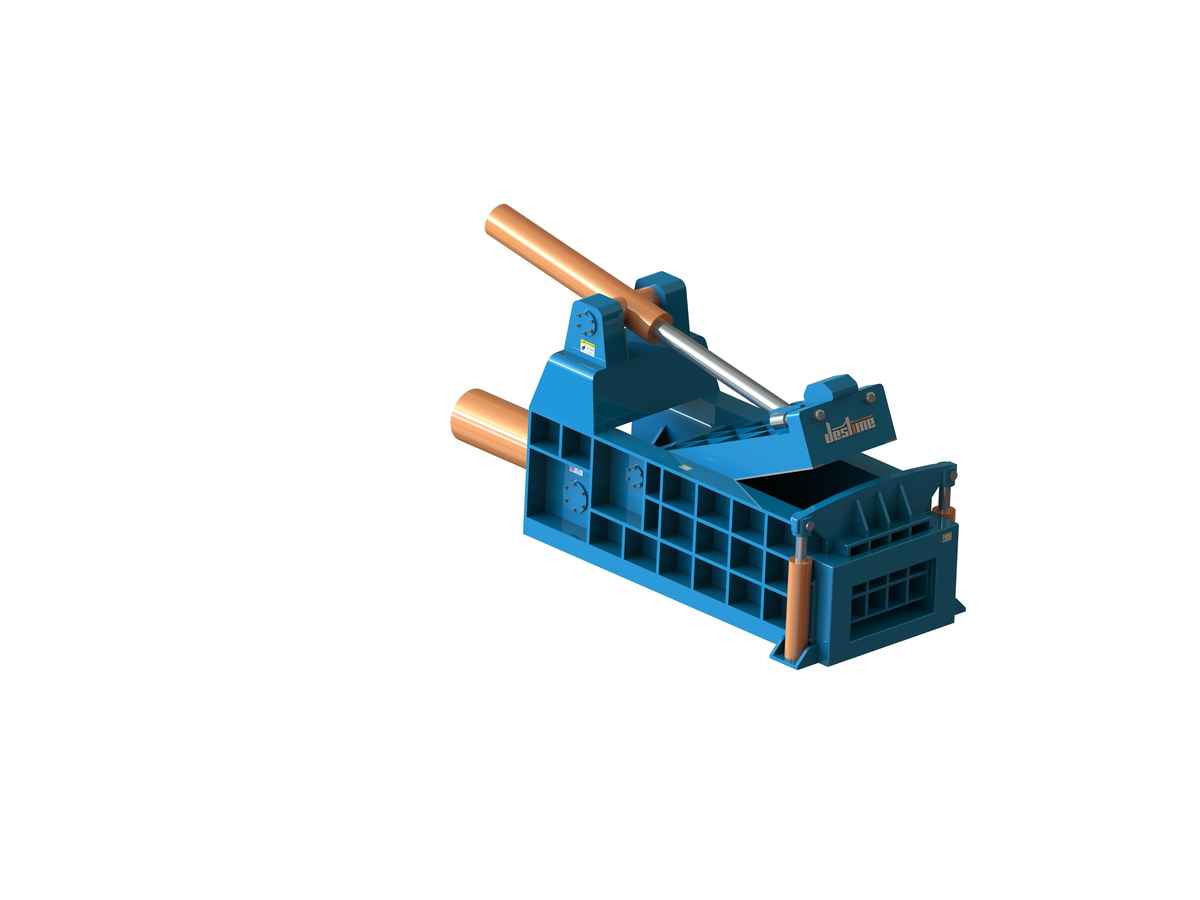
The front-discharge design can help organize the movement from loading and compaction to bale collection. A clear receiving zone is still required: the discharge path, operator access and forklift movements must be planned together. The supplied equipment illustrations show the chamber, hydraulic cylinders and an open-lid arrangement; the final dimensions and accessories are agreed for the selected configuration.
HBQ is a series rather than one fixed machine specification. Its confirmed compression-force range is 100–315 t, with motor power from 22 to 135 kW. These are series selection ranges, not a claim that every force and motor combination is available or that every material achieves the same output.
02 / MATERIALS & OUTPUT
Suitable Scrap & Can Bale Examples
Prepared light scrap and non-ferrous recycling applications.
HBQ equipment is intended for prepared light metal scrap and non-ferrous material. Used beverage cans, suitable aluminium offcuts, copper or brass production scrap and light steel offcuts can be reviewed for a configured baler. Material dimensions, thickness, hardness, contamination and bulk density are needed to confirm suitability.
- Used beverage cans: sort and prepare the feedstock according to the recycler's requirements; remove liquids and unsuitable contamination.
- Light production offcuts: check maximum piece size and thickness against the selected chamber and loading method.
- Non-ferrous scrap: keep grades separated where required for downstream recycling and quality control.
- Safe feeding: exclude batteries, sealed or pressurized containers, explosive items and hazardous contamination.
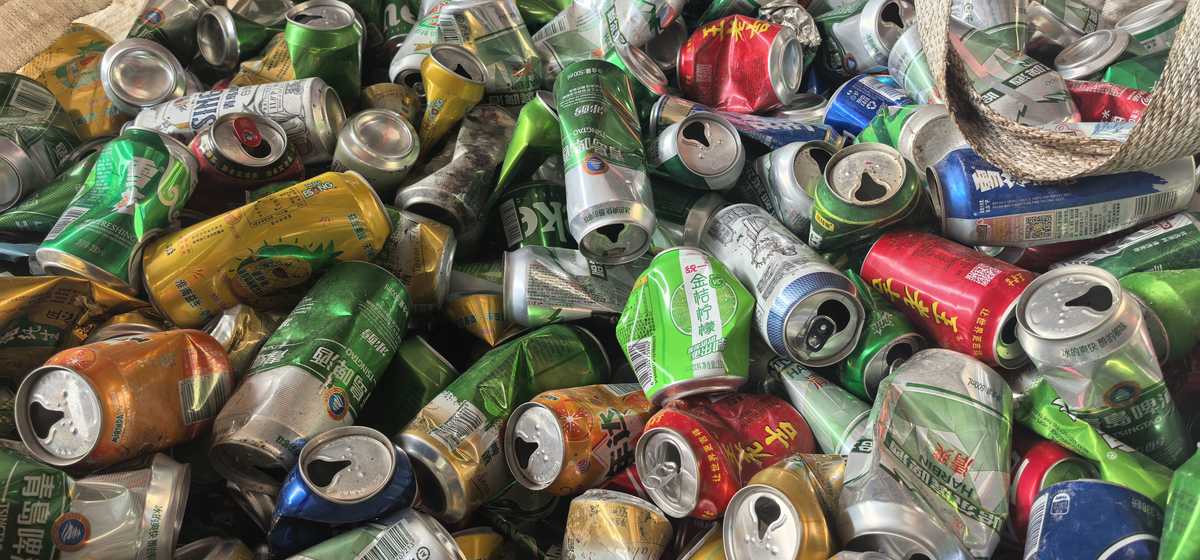
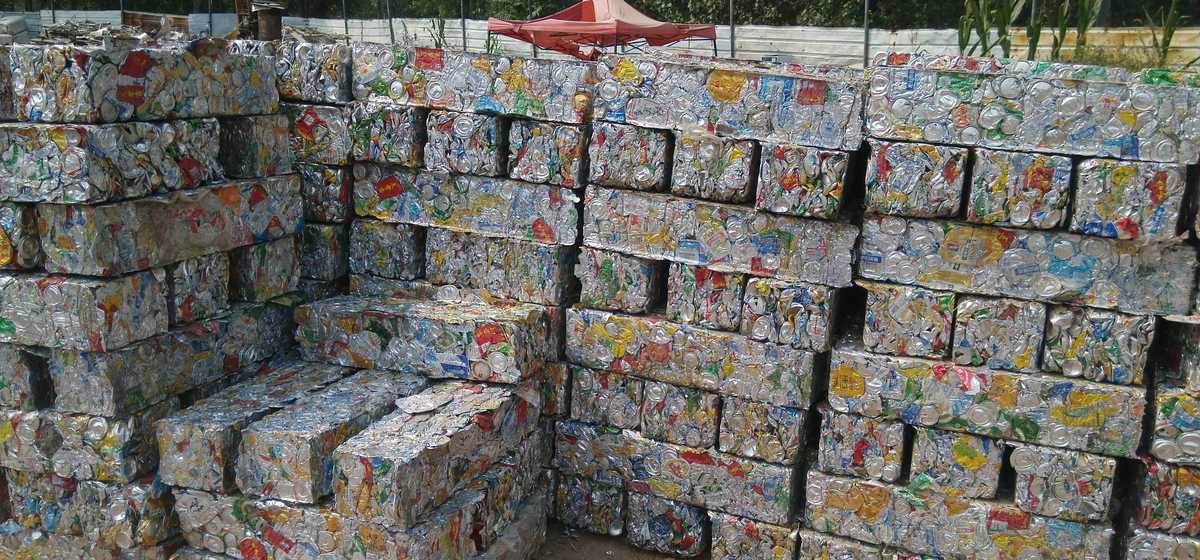
The supplied photographs show loose beverage cans and stacked compacted can bales. They illustrate material forms, not a verified before-and-after trial, a guaranteed bale density or output from a specific HBQ model.
03 / STRUCTURE & FEATURES
Equipment features.
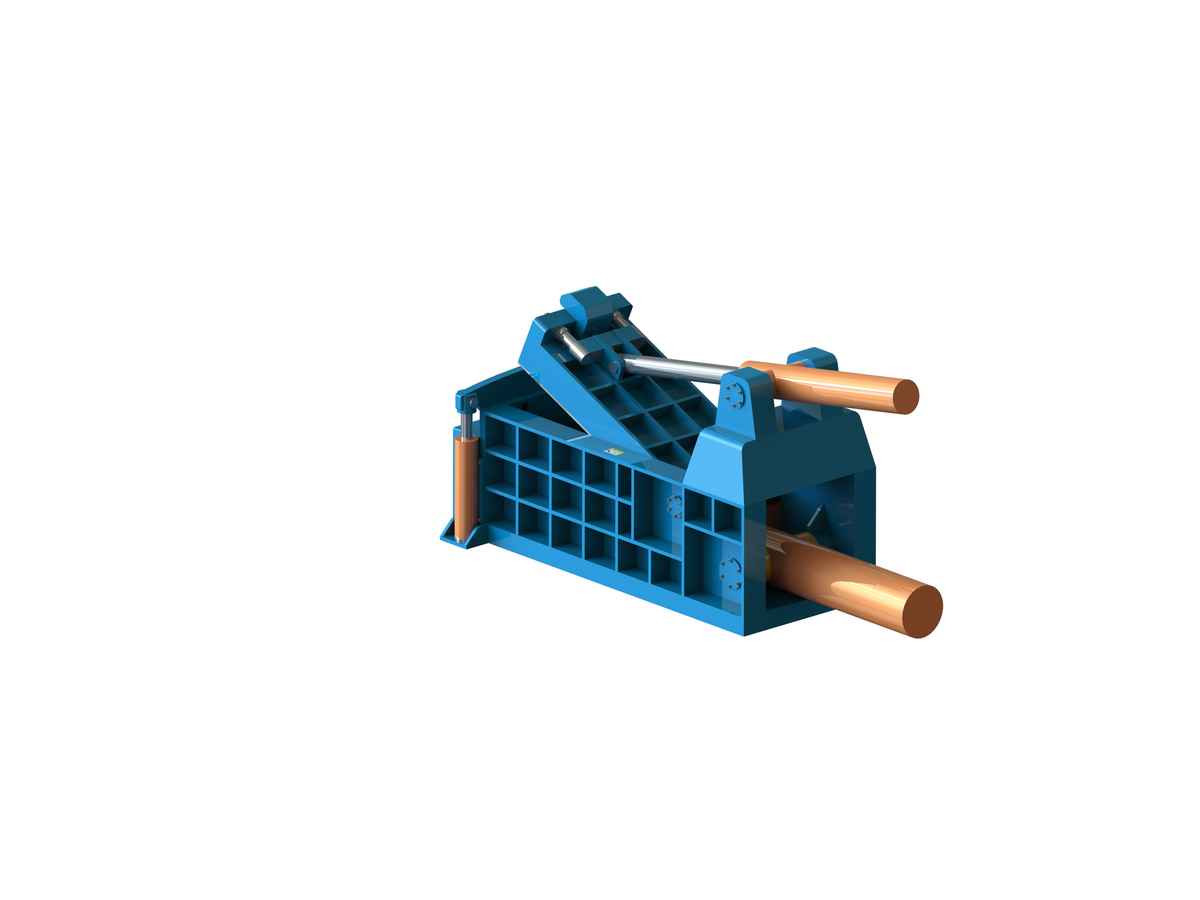
Hydraulic Structure & Configuration
Select the machine around the feedstock and installation.
Forward push-out discharge: the finished bale exits toward a designated front receiving area.
Control configuration: PLC automatic or manual control is specified to match the approved operating workflow; remote control is an option to confirm.
Feeding arrangement: manual or grabber loading is selected around the scrap and safe access requirements.
Wear components: interchangeable wear plates and their material grade are confirmed in the technical proposal.
Site services: electrical supply and water, fan or industrial-chiller cooling are matched to the installation and duty.
Equipment images are illustrations rather than a delivery-scope checklist. Confirm the control system, guards, loading arrangement, discharge handling and maintenance access before ordering. Component brands and certification coverage should be checked against the selected machine documentation.
04 / WORKING PRINCIPLE
How Forward Push-Out Baling Works
Loading, compaction and controlled front ejection.
Prepare the scrap:
segregate suitable material, remove hazardous items and check the largest pieces against the loading specification.
Load the chamber:
use the agreed manual or mechanical method while keeping personnel outside the moving-equipment zone.
Close and compress:
the hydraulic sequence contains the charge and forms a rectangular bale.
Eject forward:
the bale is pushed through the front outlet into the protected receiving area.
Collect and reset:
remove the bale using the approved handling method before starting the next cycle.
Cycle time and actual production rate depend on loading, material condition, machine configuration and bale removal. Follow the machine operating manual and site isolation procedure; inspect guards, interlocks, emergency stops, hoses, oil condition and the discharge area routinely.
05 / TECHNICAL REFERENCE
Technical Specifications & Selection
Confirmed series ranges with model-specific configuration.
The following ranges describe the HBQ series. Compression force and motor power have been confirmed for this product page; the final matched configuration is supplied in the technical proposal.
| Parameter | HBQ series specification |
|---|---|
| Machine type | Horizontal hydraulic metal baler |
| Compression arrangement | Three-ram configuration |
| Bale discharge | Forward push-out / front discharge |
| Compression force | 100–315 t series range |
| Motor power | 22–135 kW series range |
| Control | PLC automatic or manual, as specified |
| Feeding | Manual or grabber, subject to approved workflow |
| Production capacity and cycle time | Confirmed for the selected model and representative feedstock |
| Chamber dimensions, bale size and weight | Confirmed in the model-specific technical proposal |
| Electrical supply | Site-specific three-phase supply; 50/60 Hz as specified |
| Cooling and wear plates | Selected for material, ambient conditions and operating duty |
For a quotation, provide material photographs, grade, maximum dimensions, thickness, loose bulk density, required hourly or shift volume, target bale size, daily operating hours, electrical supply and a site layout showing the proposed front collection area. Representative material testing is recommended when feedstock varies or a particular output is required.
07 / QUESTIONS & SUPPORT
Product questions,
answered.
HBQ Baler Questions & Support
Clear answers for buyers planning a scrap-baling project.
When is HBQ front discharge useful for a scrap-handling layout?
The HBQ pushes its finished bale forward from a horizontal three-ram compression arrangement. It is an option where a straight-ahead receiving route fits the plant. Confirm that route together with loading access, forklift movements and operator separation. Front discharge does not remove the need for a protected receiving area or adequate maintenance clearance.
How should beverage cans be prepared for an HBQ assessment?
Identify the material and contamination level, remove liquids and unsuitable contamination, and follow the receiving recycler's sorting requirements. Keep batteries, sealed or pressurized containers and hazardous items out of the feed. Provide loose bulk density and representative cans; photographs of stacked can bales do not verify an achievable bale weight, density or production rate.
Can HBQ force and motor ratings establish our hourly production?
No. The published compression-force and motor ranges describe series choices, not throughput for a given scrap stream. Confirm the matched configuration, chamber and bale requirements first. Measure accepted bale mass over elapsed loading, compression and forward-removal time using representative material, then state the operating conditions behind the proposed hourly or shift capacity.
Can an HBQ selected for cans also bale production offcuts?
Suitable light steel and non-ferrous offcuts can be assessed, but a can-baling result does not automatically cover them. Review thickness, hardness, maximum piece size and bulk density against the chamber and loading method. Agree any material segregation and bale requirements separately, particularly where the receiving recycler expects different grades or handling characteristics.
What needs to be specified beyond the HBQ front outlet?
Confirm the receiving arrangement, bale-removal equipment and the clear route ahead of the machine, along with any accessories shown in the proposal. Check that collection does not conflict with chamber loading or service access. Manual or grabber feeding, controls, cooling and wear plates are configuration choices and should be identified explicitly in the supplied equipment list.
Which HBQ maintenance checks relate to forward discharge?
Include the front outlet and receiving route alongside chamber wear plates, the hydraulic compression system, guards, interlocks and emergency stops. Inspection intervals and service criteria must follow the selected machine's manual. Qualified personnel must isolate energy sources and control stored energy before access or maintenance; the discharge route should never be cleared during an operating cycle.
What should an HBQ acceptance run show for can recycling?
Use cans in their agreed incoming condition, with sorting and residual contamination documented. Record charge preparation, bale dimensions and mass, complete elapsed production time and forward collection. Assess bale integrity with the planned handling method and the recycler's requirements. A demonstrated result should remain specific to that feedstock and machine configuration, not all light scrap.
Equipment Recommendation
Tell Us About Your Material and Capacity
Share the key operating conditions below so our team can compare suitable equipment and prepare a practical configuration.
✓ Material & Capacity Review✓ Configuration Recommendation✓ Pricing & Lead-Time Inquiry