
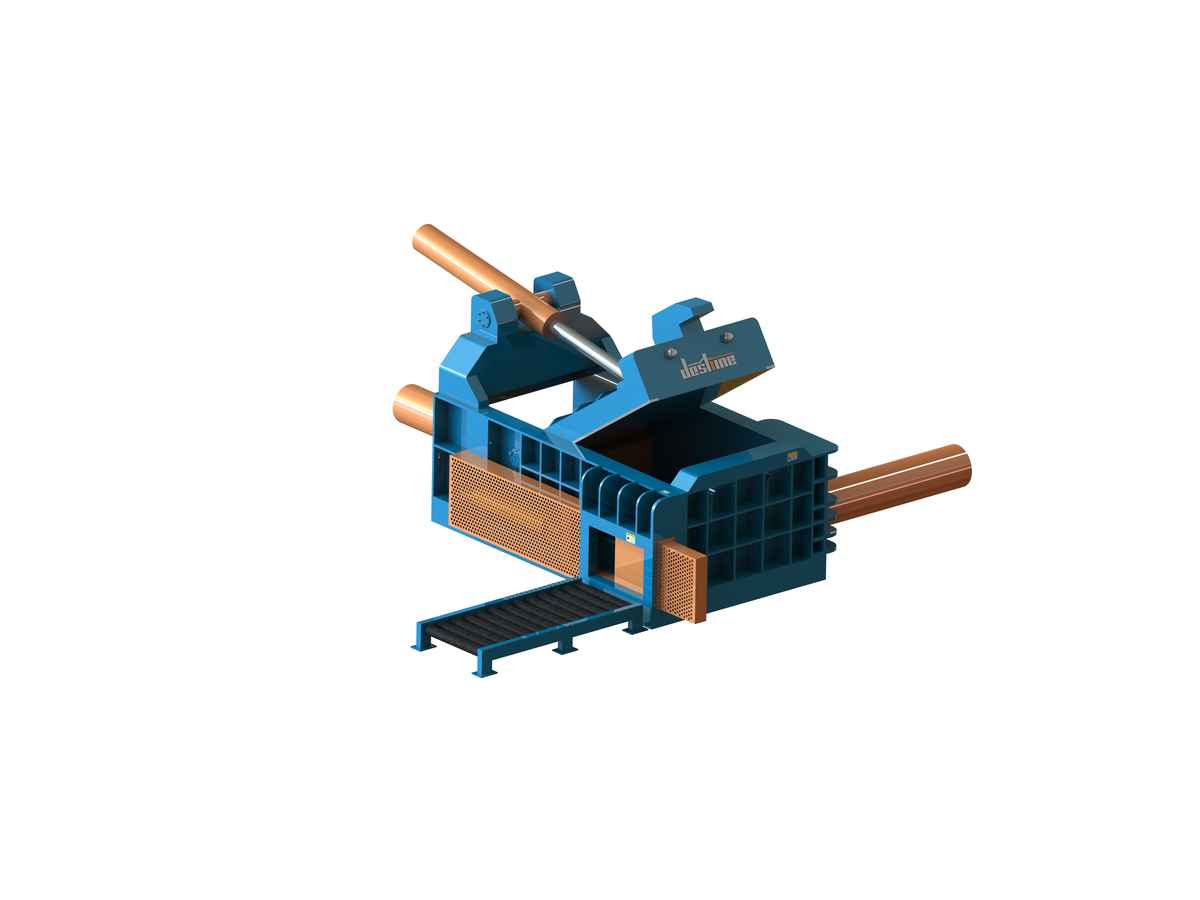
Metal Balers
HBT Side Push-Out Metal Baler
Hydraulic scrap compaction with a dedicated side-discharge route
The Dershan HBT side push-out metal baler compresses prepared light metal scrap and non-ferrous offcuts into compact rectangular bales. Its horizontal hydraulic layout combines controlled loading, multi-ram compression and side bale ejection to support organized storage, handling and recycling.
1,250–4,000 kN compression force22–135 kW motor powerSide push-out dischargeModel-specific configuration
Suitable materials
PRODUCT VIDEO
HBT Side Push-Out Metal Baler video
01 / PRODUCT DESCRIPTION
HBT Side Push-Out Baler Overview
Purpose and layout of the HBT series.
HBT Side Push-Out Baler: Material Handling and Equipment Selection
Review the baling process, suitable feedstock, side-discharge layout and information required to confirm the machine configuration.
The HBT is a horizontal hydraulic metal baler for production-scrap recovery and recycling yards. It reduces the loose volume of prepared light scrap by compressing it inside a chamber and ejecting the finished bale from the side. The side outlet can be aligned with a collection zone, forklift aisle or an agreed downstream handling arrangement.
A side push-out baler is particularly worth considering when access beside the machine is more practical than a front discharge route. Selection still depends on the actual scrap dimensions, material strength, bulk density and target bale. The equipment illustrations show a possible layout; accessories and final supply scope must be confirmed in the technical proposal.
02 / MATERIALS & OUTPUT
Suitable Scrap & Bale Examples
Material suitability is confirmed from representative feedstock.
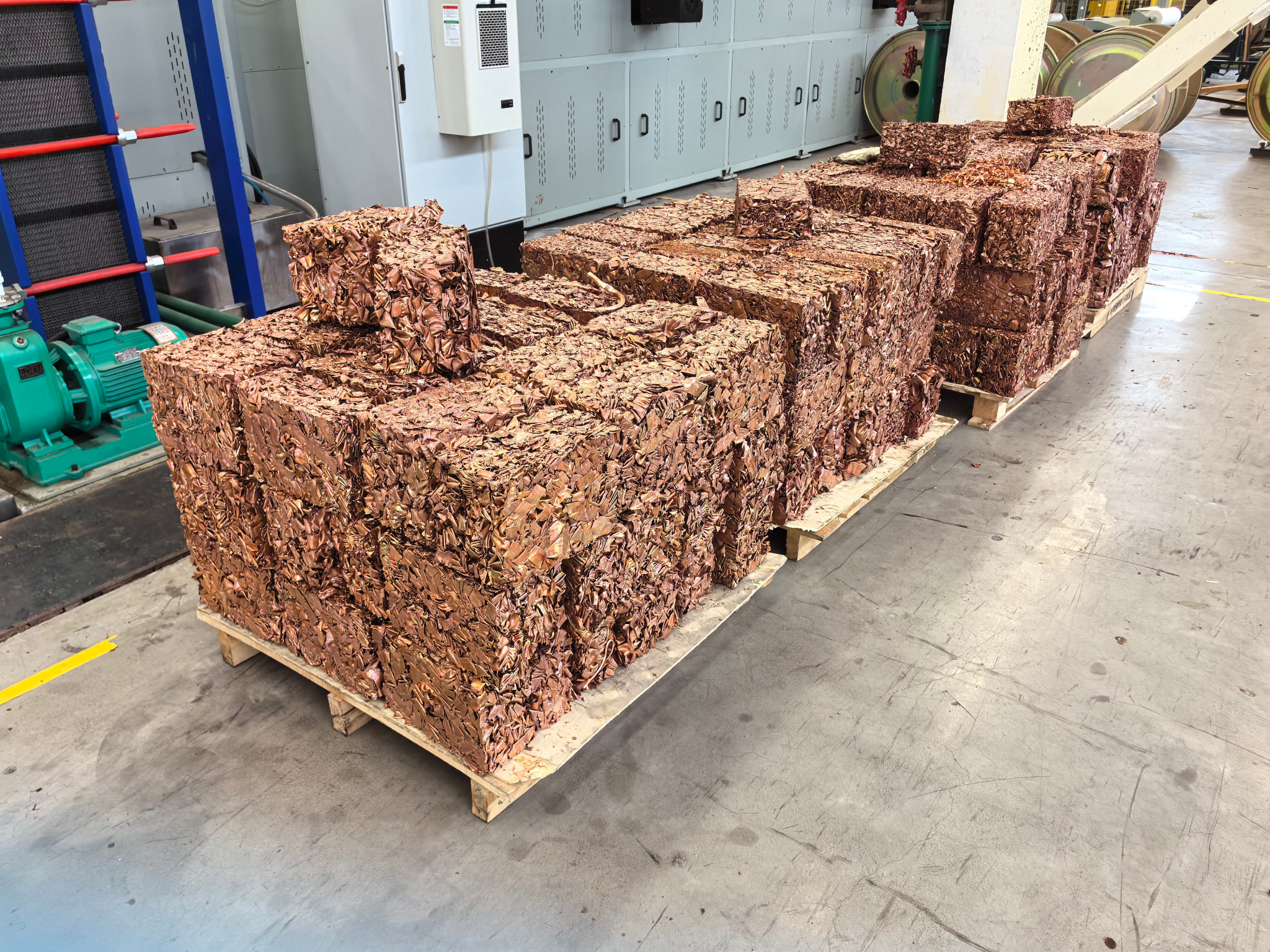
The supplied HBT information identifies light metal scrap and non-ferrous metal as the intended material groups. Prepared aluminium, copper or brass offcuts and suitable light steel production scrap may be assessed for a configured machine. Material name alone does not establish suitability: maximum piece size, thickness, spring-back and contamination must also be reviewed.
- Separate metal grades where the recycler or downstream process requires traceability.
- Prepare oversized or tangled material before feeding when required by the approved chamber and loading procedure.
- Review loose turnings carefully: their size, tendency to bridge and residual cutting fluid affect feeding and bale formation.
- Keep sealed containers, batteries, pressurized items and hazardous contamination out of the baling chamber.
The two supplied material photographs illustrate loose metal turnings and compacted scrap bales. They are examples of material form, not a verified before-and-after test, a confirmed alloy identification or evidence of output from a particular HBT model.

03 / STRUCTURE & FEATURES
Equipment features.
Hydraulic Structure & Configuration
Specify the machine around the actual duty and installation.
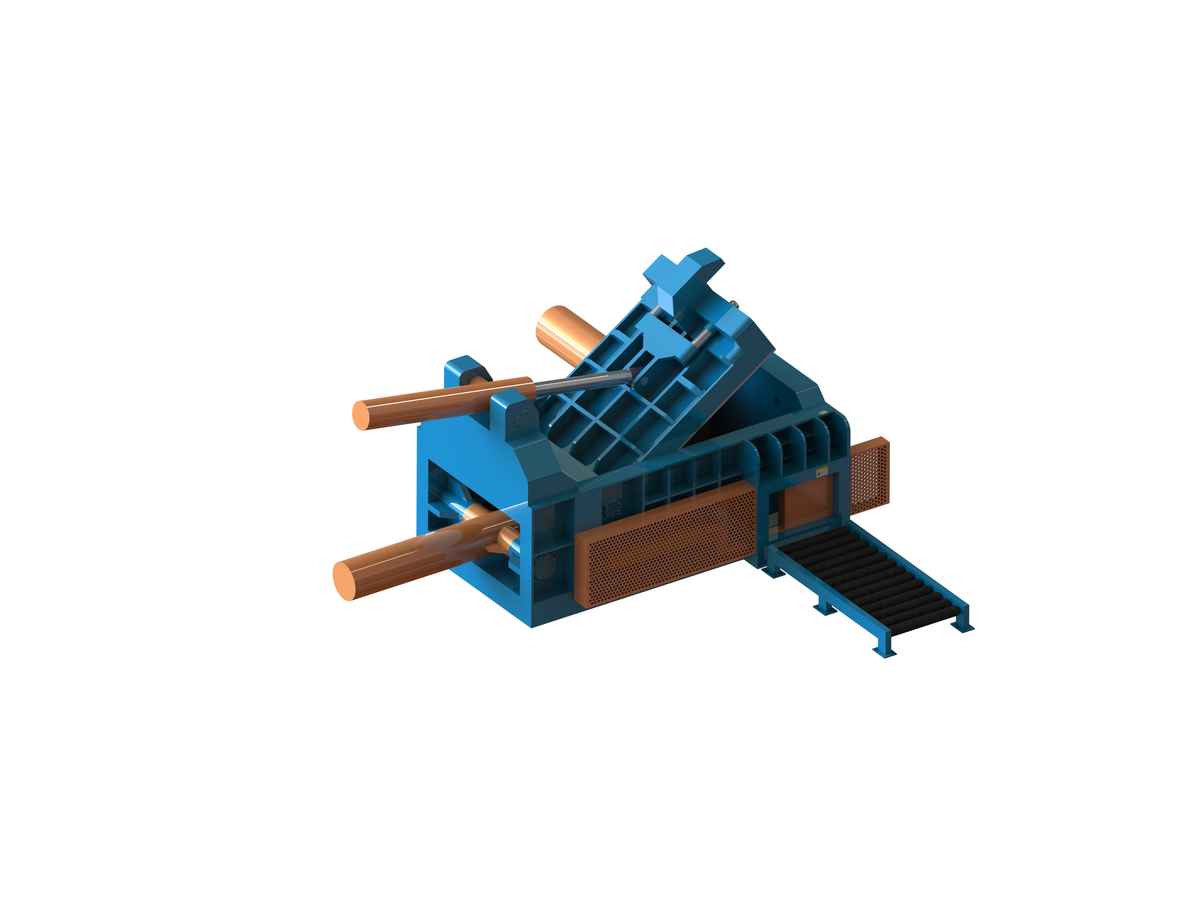
Side push-out discharge: the bale exits toward a designated side collection area.
Control choice: PLC automatic or manual operation is specified for the project; remote control is an option to confirm.
Loading arrangement: manual or grabber feeding is selected around material size, loading height and safe separation from moving parts.
Site-matched configuration: electrical supply, cooling, wear components and discharge accessories are agreed for the installation.
Side rollers visible in the illustrations should be included only when specified in the final equipment scope. No component brand, certification or production guarantee is implied by these illustrations.
04 / WORKING PRINCIPLE
How Side Push-Out Baling Works
A controlled loading, compression and discharge sequence.
Prepare and load:
sort the scrap, remove unsuitable items and load a controlled charge using the approved method.
Close and contain:
secure the chamber and confirm guards and interlocks before compression.
Compress and form:
the hydraulic sequence reduces loose volume and forms a compact rectangular bale.
Push out sideways:
discharge the bale into the protected receiving area and remove it with the agreed handling equipment.
Keep personnel clear of the loading chamber, hydraulic movements and discharge path. Follow the machine operating instructions, site risk assessment and isolation procedure for cleaning, adjustment and maintenance. Daily checks should cover guards, interlocks, hoses, oil condition and the bale-removal area.
05 / TECHNICAL REFERENCE
Technical Configuration & Selection
Final numerical specifications require model confirmation.
The HBT series is configured for the feedstock and installation rather than selected from a single universal output figure. The final model-specific specification is supplied with the technical proposal.
| Configuration item | HBT selection basis |
|---|---|
| Machine layout | Horizontal hydraulic metal baler |
| Bale discharge | Side push-out |
| Control | PLC automatic or manual, as specified |
| Feeding | Manual or grabber arrangement, subject to approved workflow |
| Compression force | 1,250–4,000 kN series range |
| Motor power | 22–135 kW series range |
| Production capacity | To be confirmed for the selected model and representative material |
| Chamber and bale dimensions | Depend on material and selected machine configuration |
| Bale weight | Depends on material and selected machine configuration |
| Electrical supply and cooling | Specified for site conditions and operating duty |
For an equipment recommendation, provide clear material photos, metal grade, maximum piece dimensions, bulk density, hourly or shift volume, target bale size, daily operating hours, available floor space, discharge direction, voltage and frequency. A representative material trial is useful when the scrap varies or a specific output is required.
06 / SOLUTIONS & CUSTOMER CASES
Plan the complete process.
CUSTOMER CASES
Related project references.
Each reference identifies its own equipment and project scope.

Metal Baler Commissioning
HBT Side Push-Out Metal Baler Workshop Trial
Workshop trial of an HBT side push-out baler with conveyor feeding and formed scrap bales.
Read project details ↗07 / QUESTIONS & SUPPORT
Product questions,
answered.
HBT Baler Questions & Support
Direct answers to common equipment-selection questions.
How does HBT side push-out influence the installation layout?
The HBT compresses scrap in a horizontal multi-ram arrangement and pushes the rectangular bale out to the side. It is worth assessing when a side collection route is more practical than front discharge. Confirm receiving space, handling traffic and maintenance access from the selected drawing; side rollers are included only when expressly specified.
Can HBT turnings photographs establish suitability for machining chips?
No. The images illustrate material forms rather than a verified HBT trial. Loose turnings need review of dimensions, bridging tendency, residual cutting fluid and bale formation. If the objective is small cylindrical chip briquettes rather than rectangular bales, assess a briquetting press instead. Select the process around the actual feed and downstream requirement.
What should we check before feeding light offcuts into the HBT?
Confirm grade, maximum dimensions, thickness, springback and contamination for light steel or suitable non-ferrous scrap. Oversized or tangled pieces may require preparation, and grades should remain separated where the recycler requires it. Batteries, sealed or pressurized containers and hazardous contamination must be excluded. Material name alone cannot establish chamber or loading suitability.
How should HBT production capacity be confirmed?
Use the actual scrap, loading method and side collection arrangement to measure accepted bale mass over elapsed production time. Include normal removal delays and variation in the feed. The force and motor ranges do not establish an hourly output, and a trial should record the matched machine configuration and bale requirements supporting any proposed performance commitment.
Which HBT bale details affect the side collection plan?
Specify required bale dimensions, weight and handling condition together with the equipment used to remove bales. Confirm the discharge interface and receiving space for that selected bale, not a generic product illustration. Any conveyor or rollers must appear in the agreed scope, and the collection arrangement should preserve the separation required between people and moving equipment.
What should HBT routine maintenance cover?
Include chamber and specified wear-component condition, hydraulic hoses and oil condition, guards, interlocks and the side push-out area in the inspection plan. Use the manufacturer's manual for service intervals and replacement requirements. Qualified personnel must apply the site's lockout and stored-energy procedures before cleaning, adjustment, blockage clearing or access to protected machine areas.
What makes an HBT material trial useful for a variable scrap stream?
Include the largest approved pieces and representative variations in bulk density and springback, rather than only the easiest feed. Agree bale dimensions, handling condition and production criteria beforehand. Record loading, compression, side ejection and collection over the test period. Identify which material conditions were covered and which would require further review before production.
Equipment Recommendation
Tell Us About Your Material and Capacity
Share the key operating conditions below so our team can compare suitable equipment and prepare a practical configuration.
✓ Material & Capacity Review✓ Configuration Recommendation✓ Pricing & Lead-Time Inquiry