
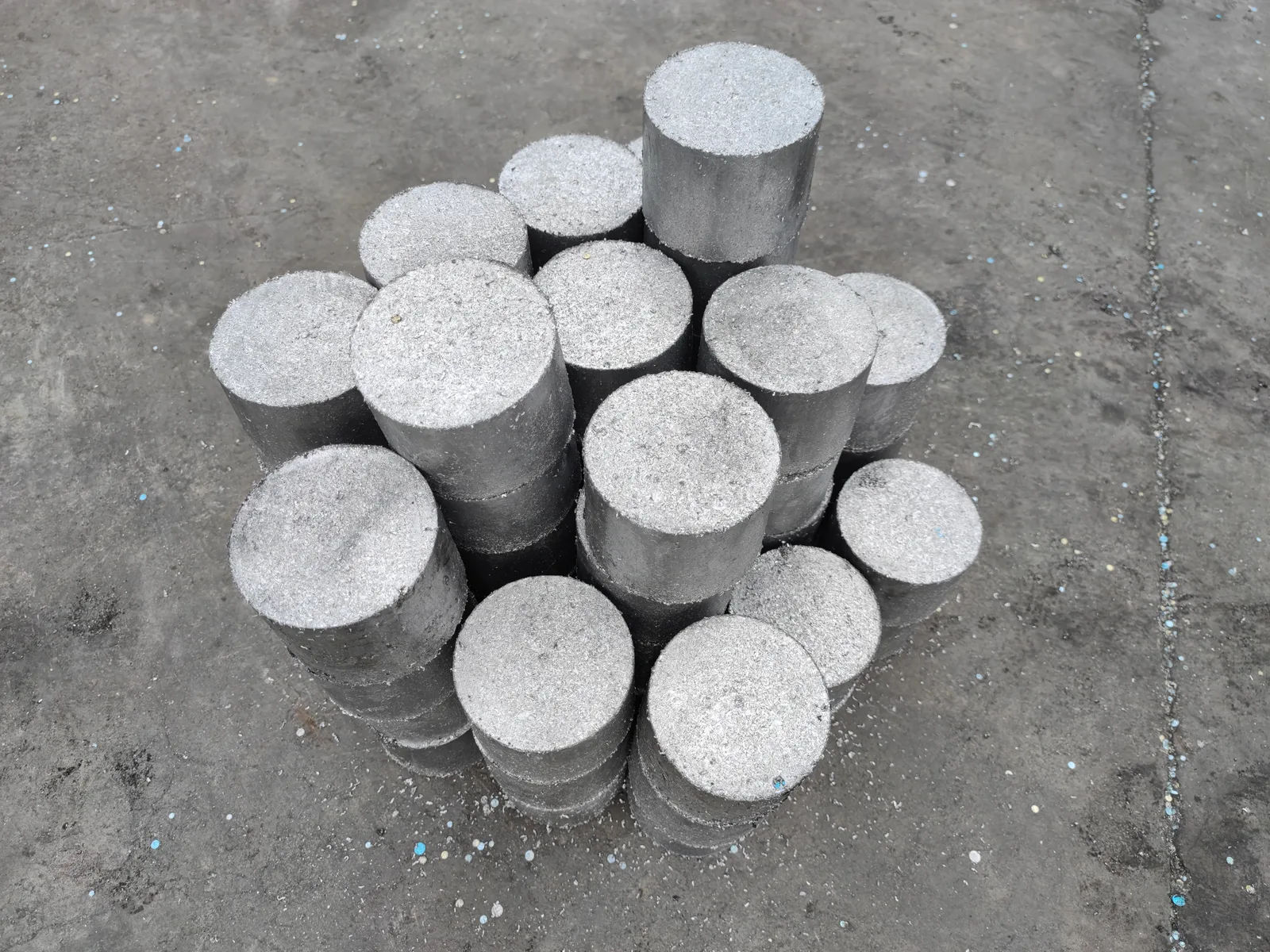
What is aluminum machining chips?
aluminum machining chips includes short aluminum chips, swarf and machining residues. The value and processing route depend on grade, physical form, contamination and the receiving recycler or smelter specification.
How should aluminum machining chips be prepared?
Separate alloys, remove steel and non-metal contamination, and quantify coolant or oil content before processing.
Baling or briquetting changes the package form; it does not purify mixed scrap. Confirm the accepted grade and contamination limits with the downstream buyer.
Recommended processing route
A correctly matched briquetting press can reduce volume and produce manageable units while collecting recoverable residual fluid where applicable.
The safest and most economical route can include sorting, draining, cutting, shearing, screening, baling or briquetting. The sequence must match the actual material rather than a generic material name.
How to select suitable equipment
Provide chip shape, bulk density, alloy, fluid content, throughput and briquette specification. Also confirm loading method, site voltage, available floor space, shift pattern and the required discharge arrangement.
Capacity, density and package dimensions are project-specific and should be verified through technical review or a representative material test.
Frequently asked questions
What makes aluminum machining chips suitable for briquetting?
The press and feeder must match the chip shape, loose density, alloy and residual-fluid condition. Short chips may behave differently from long turnings or a fines-rich batch. Assess material hazards and contamination before testing, then verify consistent feeding and stable finished units using representative production chips rather than selected clean samples.
Does aluminum chip briquetting guarantee coolant recovery or reuse?
No fixed recovery or reuse outcome should be assumed. Incoming fluid content, chip geometry and the collection arrangement influence what is released. Define a trial measurement method for feed, briquettes and collected liquid. The recovered fluid still needs appropriate quality assessment and treatment before any return to the machining process.
How should aluminum-chip capacity and briquette quality be confirmed?
Use the intended alloy mix, chip form and normal coolant condition, then record accepted briquette mass during sustained operation. Include filling, replenishment and discharge in the agreed test boundary. Assess block stability and the receiver's acceptance separately; a machine-force rating does not establish throughput or a guaranteed improvement in remelting yield.
What maintenance checks matter when processing wet aluminum chips?
Include the feeder, tooling and supplied liquid-collection passages in the inspection plan, and investigate changes in chip shape or fluid content when results drift. Cleaning methods must also suit any aluminum fines present. Follow the manual's shutdown and energy-isolation procedure before removing retained chips or inspecting internal components.