
Customer CaseAustralia Metal Baler Project
200-Ton Front-Discharge Aluminum Scrap Baler in Australia
Front-discharge aluminum baling supports weighing, staging and long-distance transport.

Project context
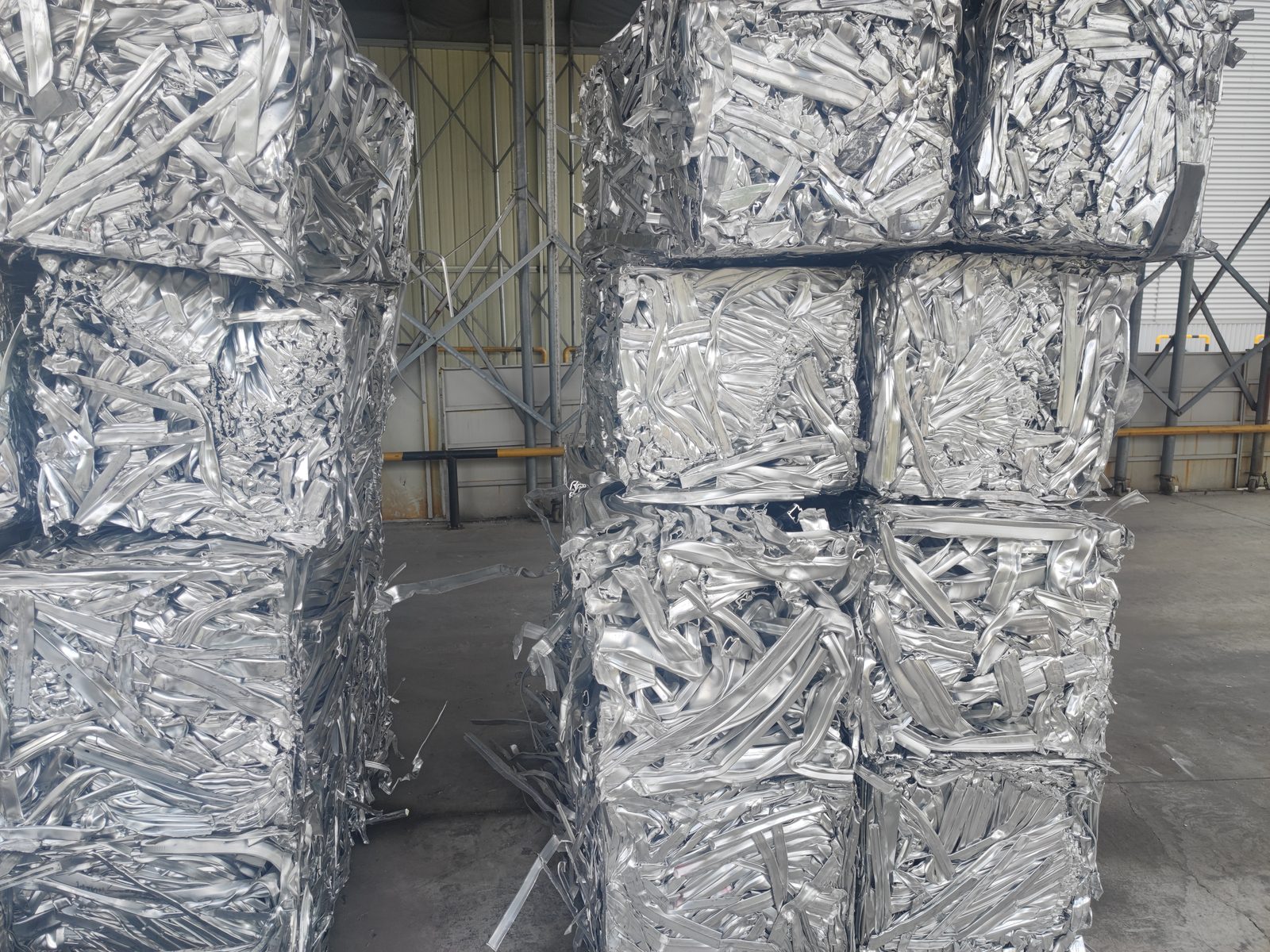
A architectural and industrial aluminum processing customer in Australia needed a reliable way to process short aluminum profiles, sheet offcuts and rejected aluminum products. The selected project direction was a 200-ton front-discharge hydraulic metal baler, configured around the material and the customer’s existing handling route.
Material & site requirements
Loose extrusion and sheet scrap reaches vehicle volume limits quickly because it contains substantial empty space. The customer wanted finished packages to travel straight from the baler toward weighing, temporary storage and long-distance road shipment.
Equipment & configuration
The front-discharge layout supports a linear handling route, while compression stroke, hold time and chamber dimensions are reviewed for lightweight aluminum with spring-back. Replaceable wear surfaces can simplify inspection in high-contact chamber areas.
The front discharge arrangement was considered together with loading access, forklift or crane movement, maintenance clearance and the finished-bale receiving area.
The operating workflow
Alloy groups are separated when required, steel fasteners and contamination are removed, and long profiles are prepared to fit the chamber. Bales exit forward for weighing, labeling and forklift loading.
What the configuration addresses
The project focuses on reducing wasted transport volume and improving inventory handling rather than publishing an assumed compression ratio. Final bale stability and shipment loading must be confirmed with the actual alloy mix and profile geometry.
The project value comes from matching the machine structure to the real material and site flow. Final cycle time, bale density, bale weight and power demand remain subject to the confirmed specification and material trial.
Planning a similar project
Aluminum extrusion plants, window and door manufacturers, sheet processors and recyclers sending prepared aluminum scrap over long transport distances.
Planning a similar project
Provide representative material photos or samples, maximum piece dimensions and thickness, hourly or daily volume, target bale size and weight, site voltage, installation space and preferred discharge direction. Customer identity and unverified commercial figures are intentionally omitted.
Which aluminum streams are relevant to this front-discharge case?
The Australian project concerns short aluminum profiles, sheet offcuts and rejected aluminum products, with a forward route to weighing, storage and shipment. Another operation should compare alloy groups, profile geometry, wall thickness and maximum length. Long profiles may need preparation to fit the chamber. The case should not be used as evidence that every aluminum form feeds or compacts equally.
How should steel fasteners and mixed aluminum alloys be handled?
The described workflow removes steel fasteners and contamination and separates alloy groups where required. Establish those requirements with the receiving buyer before baling, then keep source and batch identification through weighing and storage. Compression changes package form but does not remove coatings, unwanted metals or alloying elements, and appearance alone cannot establish material purity.
How can capacity and spring-back be checked for aluminum profiles?
Run representative profile and sheet batches with the proposed chamber, stroke and approved hold-time settings. Measure acceptable bale mass over full loading, compression and forward-removal cycles, and check the bale dimensions and stability after release. Report the sample geometry and alloy mix. The 200-ton designation does not establish hourly output or a guaranteed finished density.
Does the case prove a particular transport saving or compression ratio?
No. It identifies wasted transport volume as the problem but deliberately avoids an assumed compression ratio. Assess a comparable project by measuring loose-material bulk volume, bale mass and dimensions, then checking the actual vehicle loading plan and buyer requirements. Vehicle payload, package handling and usable load space all matter, so reduced scrap volume alone does not establish a financial saving.
What should acceptance cover beyond making a compact aluminum bale?
Check safe front discharge, bale stability during the intended pickup and storage sequence, scale access, batch labeling and readiness for the planned shipment method. Repeat the checks for the relevant profile and alloy variations. The article describes a linear handling objective, but it does not provide measured shipment-loading results or demonstrate that any proposed bale meets a particular buyer specification.
Are replaceable chamber wear surfaces included in this configuration?
The case discusses replaceable wear surfaces as a maintenance consideration, not a complete supplied-parts list. Confirm which surfaces are replaceable in the quoted machine, how they are inspected and removed, and the recommended spare parts. Also agree hydraulic and discharge-system maintenance and service clearance. Component inspection or replacement must follow the manufacturer isolation and stored-energy controls.