
Customer CaseBrazil Metal Baler Project
100-Ton Turn-Out Aluminum Can Baler in Brazil
A compact first hydraulic baler for aluminum cans and growing collection volumes.

Project context
A startup aluminum can collection and primary recycling preparation customer in Brazil needed a reliable way to process used beverage cans, thin aluminum sheet and other lightweight aluminum scrap. The selected project direction was a 100-ton compact turn-out hydraulic metal baler, configured around the material and the customer’s existing handling route.
Material & site requirements
The startup was moving beyond manual flattening and bag collection but did not need an oversized automatic line. Its priorities were a compact machine, understandable controls, practical remote guidance and room to scale collection activity.
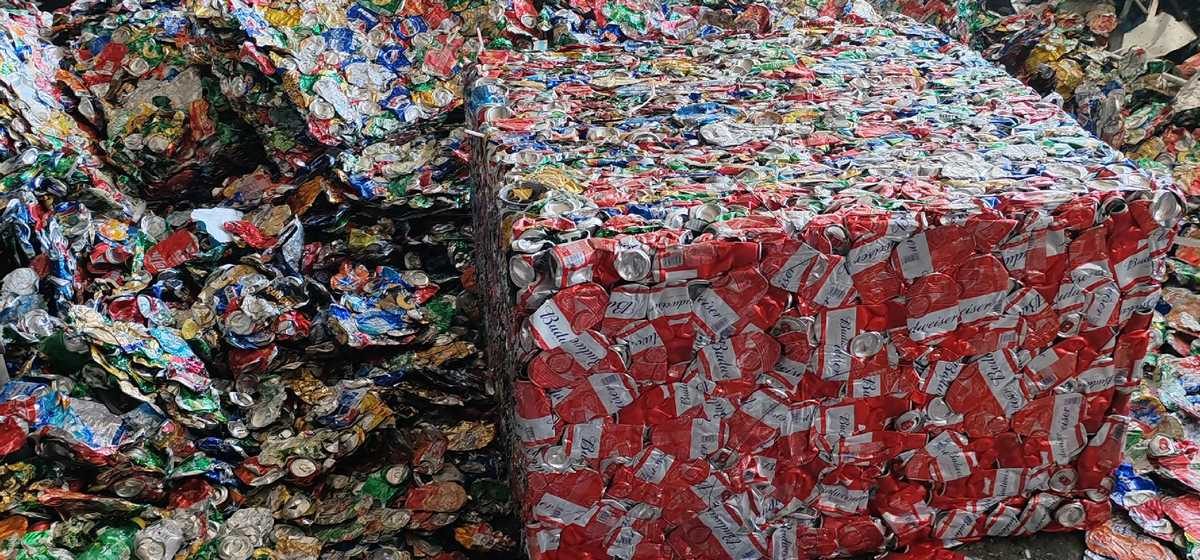
Equipment & configuration
The chamber and compression cycle are reviewed for low-bulk-density aluminum cans, while the turn-out discharge avoids a long pusher or conveyor. The compact configuration keeps the process approachable for a first hydraulic-baler installation.
The turn-out arrangement was considered together with loading access, forklift or crane movement, maintenance clearance and the finished-bale receiving area.
The operating workflow
Cans are drained, checked for contamination and separated from steel or hazardous containers. Prepared batches are loaded, compressed and tipped into the receiving area for labeling, storage and sale.
What the configuration addresses
The project is intended to replace loose bag handling with regular aluminum packages and a repeatable workflow. Actual throughput and bale weight should be established during material trials and commissioning, not assumed from press force.
The project value comes from matching the machine structure to the real material and site flow. Final cycle time, bale density, bale weight and power demand remain subject to the confirmed specification and material trial.
Planning a similar project
Startup recyclers, community collection programs and small aluminum-can recovery sites that need a simple first step from manual handling to hydraulic baling.
Planning a similar project
Provide representative material photos or samples, maximum piece dimensions and thickness, hourly or daily volume, target bale size and weight, site voltage, installation space and preferred discharge direction. Customer identity and unverified commercial figures are intentionally omitted.
Why was a compact turn-out baler considered for this startup?
The Brazilian project describes a startup moving beyond manual flattening and bag collection without needing an oversized automatic line. Its priorities include understandable controls, a compact arrangement and practical guidance. A comparable business should assess collection growth, available labour and bale handling as well as press size. The case does not establish a universal entry-level capacity or a quantified return on investment.
Can collected beverage cans be loaded without preparation?
The described workflow drains cans, checks contamination and separates steel or hazardous containers before loading. Confirm the approved stream with the machine supplier and receiving buyer; mixed collection bags may contain unsuitable objects even when most of the contents are aluminum cans. Suspect sealed, pressurized or contaminated items require competent assessment outside the baling process, not compaction as a treatment step.
How is output confirmed for low-bulk-density aluminum cans?
Test representative collected cans using the planned loading method, including the time spent filling or refilling the chamber and removing bales. Weigh acceptable finished output over an agreed elapsed period and record bale size, weight and interruptions. The 100-ton figure is a nominal force designation, not hourly tonnage. The case specifically leaves throughput and bale weight for trials and commissioning.
What makes a finished can bale acceptable for sale?
Agree the buyer requirements for aluminum content, contamination, bale dimensions, weight and handling stability before setting acceptance criteria. Check that trial bales can be collected, labeled and stored using the intended method. A rectangular package alone does not prove buyer acceptance, a price premium or a particular density, and the case does not publish any of those commercial outcomes.
What installation and training support should a first-time operator confirm?
Define responsibility for electrical connection, placement, safe receiving clearance, commissioning and operator training before delivery. Confirm whether guidance is remote, on site or a combination, and what documents and demonstrations are included. Practical remote guidance is a stated project priority, not evidence of a completed commissioning visit or a specific support entitlement. The operator must be trained for the supplied machine.
What routine maintenance should be prepared before the first production shift?
Provide a machine-specific checklist covering visible hydraulic leaks, oil condition and level, chamber condition, turn-out operation and safety devices, with service intervals taken from the supplied manual. Identify wear parts and the service contact before operation begins. Operators need an approved isolation procedure for cleaning and clearing retained scrap; a compact first baler still contains moving parts and stored hydraulic energy.