
Briquetting Presses
DSM Compact Metal Chip Briquetting Press
Integrated hydraulic briquetting for machining chips and swarf
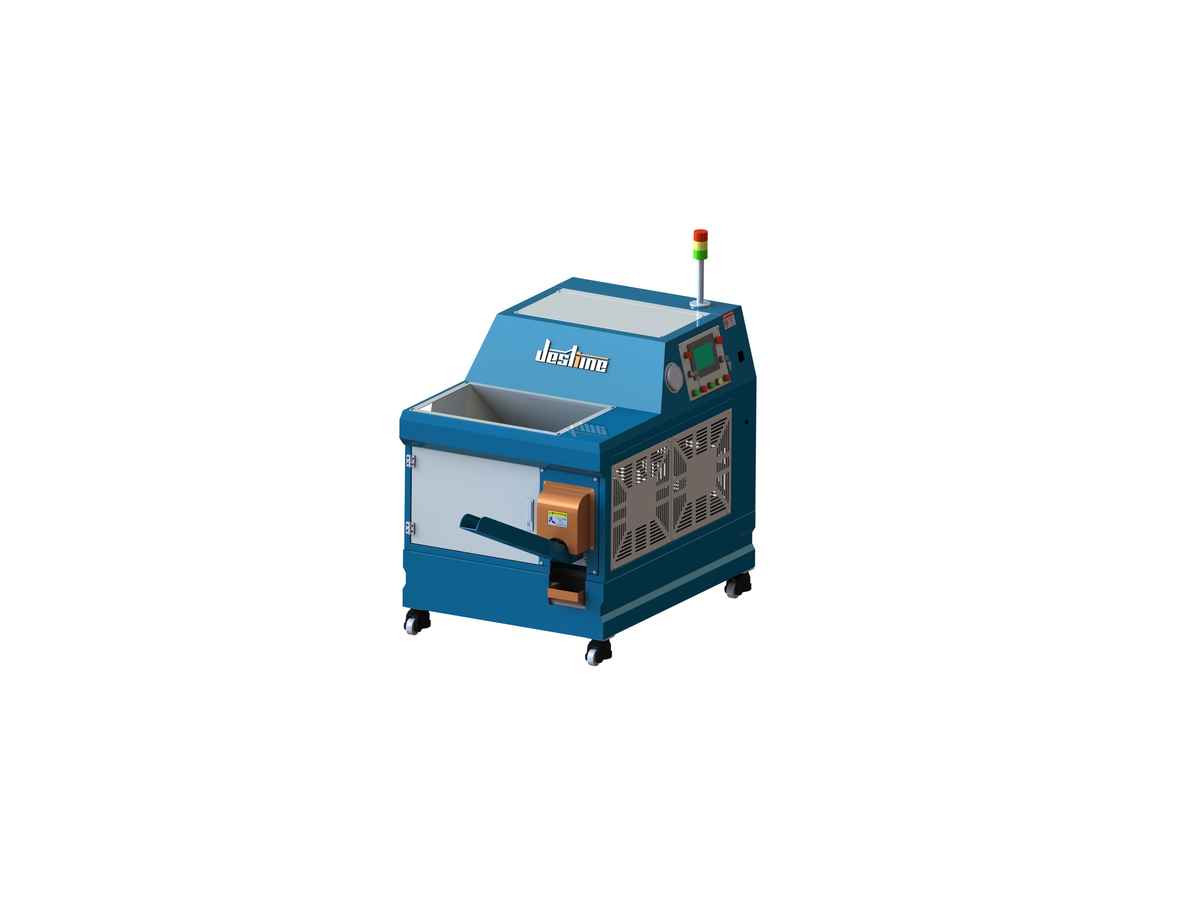
The DSM compact hydraulic metal chip briquetting press converts loose machining chips and swarf into dense cylindrical briquettes. Its integrated structure, PLC control and continuous push-out discharge suit machine shops and metal processors that need cleaner handling, smaller storage volume and a more consistent recycling feed.
40–80 t hydraulic force30–150 kg/h series capacityØ60–100 mm briquettes3–11 kW motor power
Suitable materials
PRODUCT VIDEO
DSM Compact Metal Chip Briquetting Press video
01 / PRODUCT DESCRIPTION
DSM Briquetter Overview
Compact loose chips into easy-to-handle briquettes.
DSM Metal Chip Briquetting Press: Specifications and Applications
Series parameters, suitable metal chips and the data needed to select a compact DSM briquetter.
The DSM is an integrated horizontal hydraulic briquetting press for small to medium metal-chip volumes. It compresses loose swarf into cylindrical briquettes for cleaner collection, storage, transport and recycling.
02 / MATERIALS & OUTPUT
Suitable Metal Chips
Typical machining residues and recycling goals.
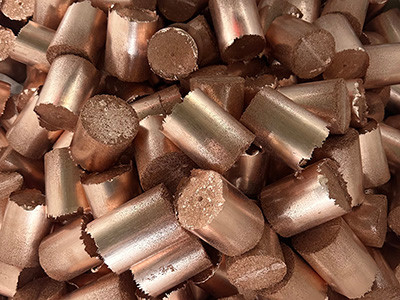
The DSM series is intended for prepared metal chips, turnings and swarf from machining operations.
Typical material Processing objective
- Steel and cast-iron chips
- Reduce loose volume and simplify internal handling
- Aluminium chips and turnings
- Produce compact briquettes for storage and recycling
- Copper and brass chips
- Improve segregation and shipment of valuable scrap
- Mixed machining swarf
- Create a more consistent downstream recycling feed
Long, tangled turnings may require crushing or size reduction before briquetting. Material testing is recommended for oily, wet, fine or mixed chips.

03 / STRUCTURE & FEATURES
Equipment features.
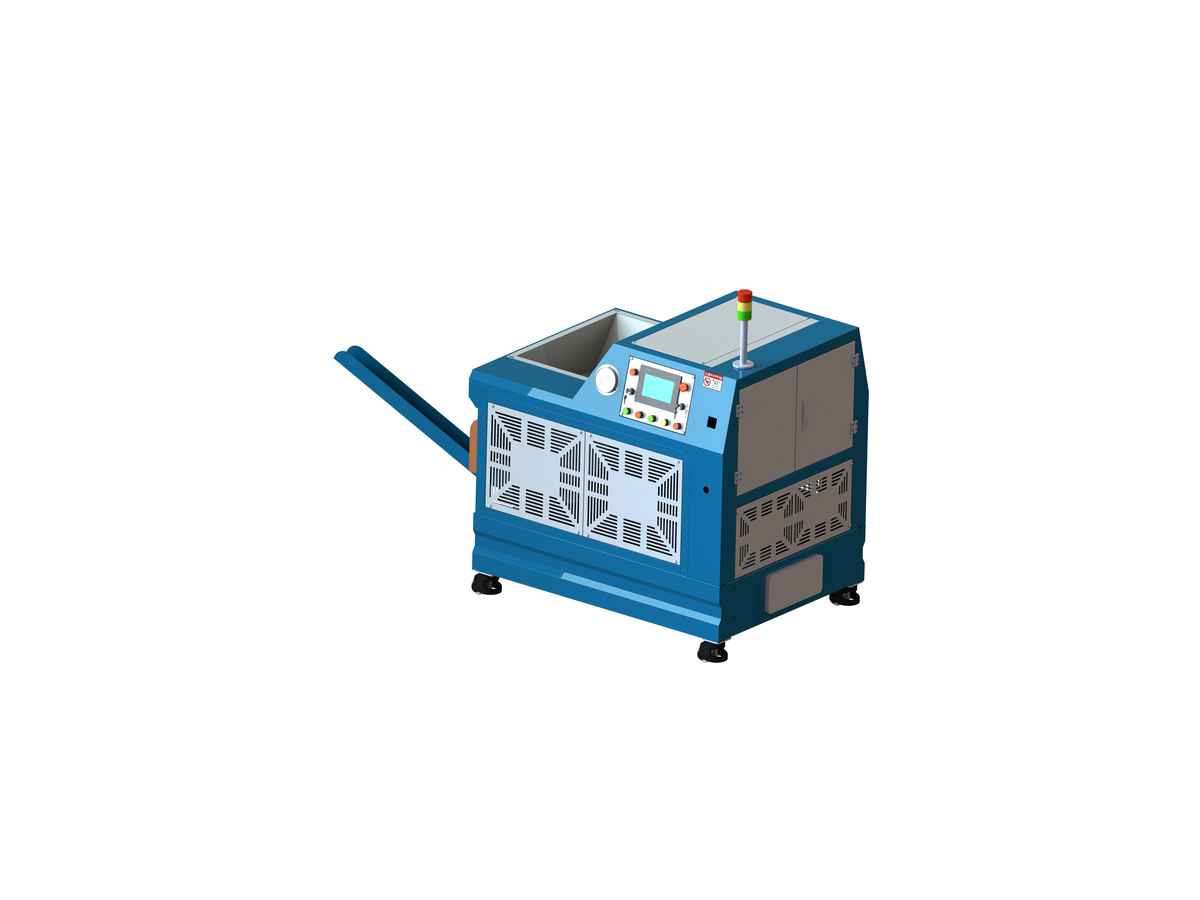
PLC automatic and manual control modes
Continuous push-out briquette discharge
Configurable mobile-bin or conveyor feeding
04 / WORKING PRINCIPLE
Briquetting Process
A continuous hydraulic compaction cycle.
Feed:
Prepared chips enter the hopper from a mobile bin or conveyor.
Meter:
The control system supplies a repeatable charge to the compression chamber.
Compact:
Hydraulic force forms a dense cylindrical briquette.
Discharge:
Each briquette is pushed out continuously for collection.
When the feed contains cutting fluid, the project should include an agreed collection and drainage method. Operators must follow the approved safety procedure and keep guards, hydraulics, sensors and the discharge path under routine inspection.
05 / TECHNICAL REFERENCE
Technical Specifications
Configurable ranges from the DSM BASIC data sheet.
These values describe the configurable DSM series. Actual capacity, briquette density and cycle rate depend on chip material, particle form, moisture or oil content and feeding consistency.
| Parameter | DSM series range |
|---|---|
| Hydraulic force | 40–80 t |
| Working pressure | 21.5 MPa |
| Machine productivity | 30–150 kg/h |
| Motor power | 3–11 kW |
| Briquette diameter | 60–100 mm |
| Briquette weight | 0.2–1.1 kg |
| No-load cycle | 20–25 s |
| Oil tank | 120–200 L |
| Pump displacement | 25–63 ml/r |
| Machine weight | 800–1500 kg |
| Discharge | Automatic continuous push-out |
| Power supply | 220–660 V, 3-phase, 50/60 Hz |
| Wear plate | NM450 or Hardox 450, replaceable |
| Cooling | Water cooling or industrial chiller |
Configuration & Selection
Information required before model confirmation.
Send the following information for a reliable DSM selection:
Metal type, chip photos, particle size and bulk density
Hourly chip generation and operating schedule
Oil or coolant content and required fluid collection
Target briquette diameter, density and downstream use
Feeding method, voltage, floor space and discharge arrangement
Dershan uses these inputs to confirm force, chamber, motor, pump, cooling and feeding equipment. A representative material trial is the best way to verify output and briquette quality.
07 / QUESTIONS & SUPPORT
Product questions,
answered.
Service & DSM Briquetter FAQ
Delivery support and buyer questions.
What makes the DSM different from a baler for workshop offcuts?
The DSM is a compact, integrated horizontal briquetting press for prepared machining chips and swarf. It forms cylindrical briquettes and pushes them out for collection. It should not be selected as though it were a chamber baler for sheets, cans or bulky offcuts. Match the feed form and target recycling product before comparing machine size.
Is the DSM series output enough for an intermittent machining workshop?
The published 30–150 kg/h is a configurable series range. Compare it with actual chip generation, available running hours and peak collection periods, not only the daily average. Confirm performance on your chips and the proposed die. Include bin changes and normal feeding delays when deciding whether the press and upstream storage can handle the workshop's workload.
Can stringy or very fine swarf go straight into the DSM?
Not without checking its feeding and compaction behavior. Long, tangled turnings may need size reduction; fine, wet, oily or mixed chips need representative testing. Provide photographs, chip dimensions and bulk density. The compact housing does not remove the need for suitable preparation, metered feeding or a separate assessment of unfamiliar material.
How should DSM feeding match our chip bins or conveyor?
The DSM can be configured around mobile-bin or conveyor feeding, but the interface must match chip form and the workshop's collection rhythm. Review loading height, how a repeatable charge reaches the pressing chamber and how feed variation is handled. Confirm the actual supplied equipment rather than assuming that a compact integrated machine includes every upstream accessory.
Does the DSM need a separate cutting-fluid collection arrangement?
When chips contain cutting fluid, agree drainage and collection as part of the project. Specify the fluid type and normal incoming condition, then evaluate the pressed chips and collected liquid during a representative trial. The press specification alone does not establish a fluid-recovery percentage, filtration performance or whether the liquid can return to your machining process.
How much working space should we allow around the compact DSM?
Use the selected machine drawing to check the enclosed body, hopper loading, push-out discharge, collection bin and service access. Also account for electrical and cooling connections and any conveyor or fluid tank. Compact describes the equipment format; it does not mean that bin exchange or tooling maintenance can occur within the machine's base footprint.
What maintenance is important for a DSM workshop installation?
Include feeding consistency, forming-tool and specified wear-component condition, sensors, guards, hydraulic condition and the push-out collection path in the maintenance plan. Service intervals and replacement criteria must come from the manufacturer's manual and actual duty. Qualified personnel should use lockout and stored-energy procedures before clearing protected areas or inspecting internal components.
What should we measure during a DSM sample test?
Test the chips as they normally arrive, with alloy, geometry, bulk density and fluid condition recorded. Measure accepted briquette mass over a complete production period and check dimensions, integrity and required density. Include feeding interruptions and collection changes, so the result shows a realistic workshop process rather than a short run with specially prepared material.
Equipment Recommendation
Tell Us About Your Material and Capacity
Share the key operating conditions below so our team can compare suitable equipment and prepare a practical configuration.
✓ Material & Capacity Review✓ Configuration Recommendation✓ Pricing & Lead-Time Inquiry