
SolutionMetal Chip Briquetting Solution
Short Metal Chip Automatic Lifting and Tipping Briquetting Solution
Bring short-chip collection, automatic lifting and tipping, hopper loading and briquetting into one coordinated material-handling workflow.
Short-chip collection → automatic lifting and tipping → hopper loading → briquetting → collection
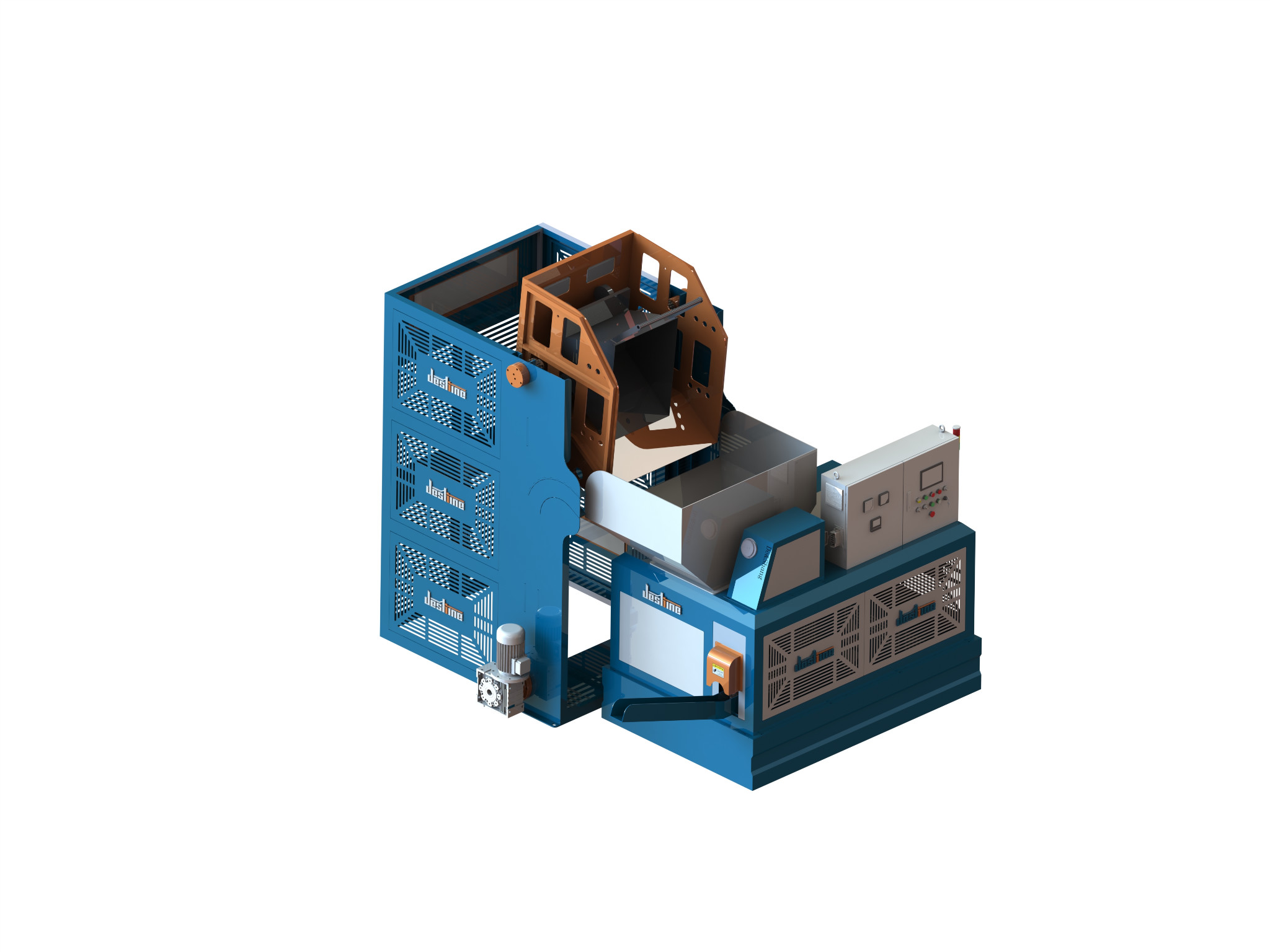
Short-chip system overview & equipment views
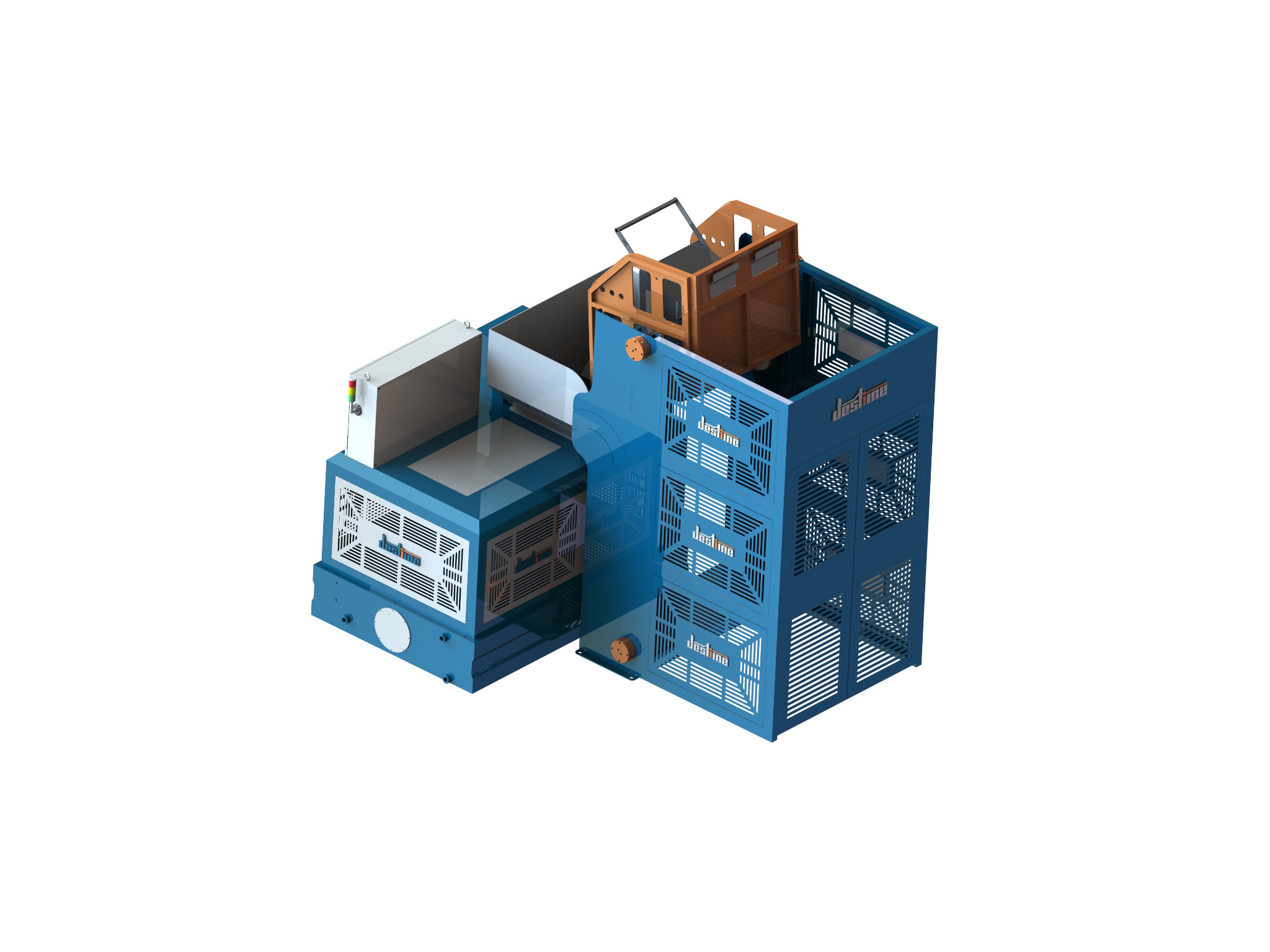
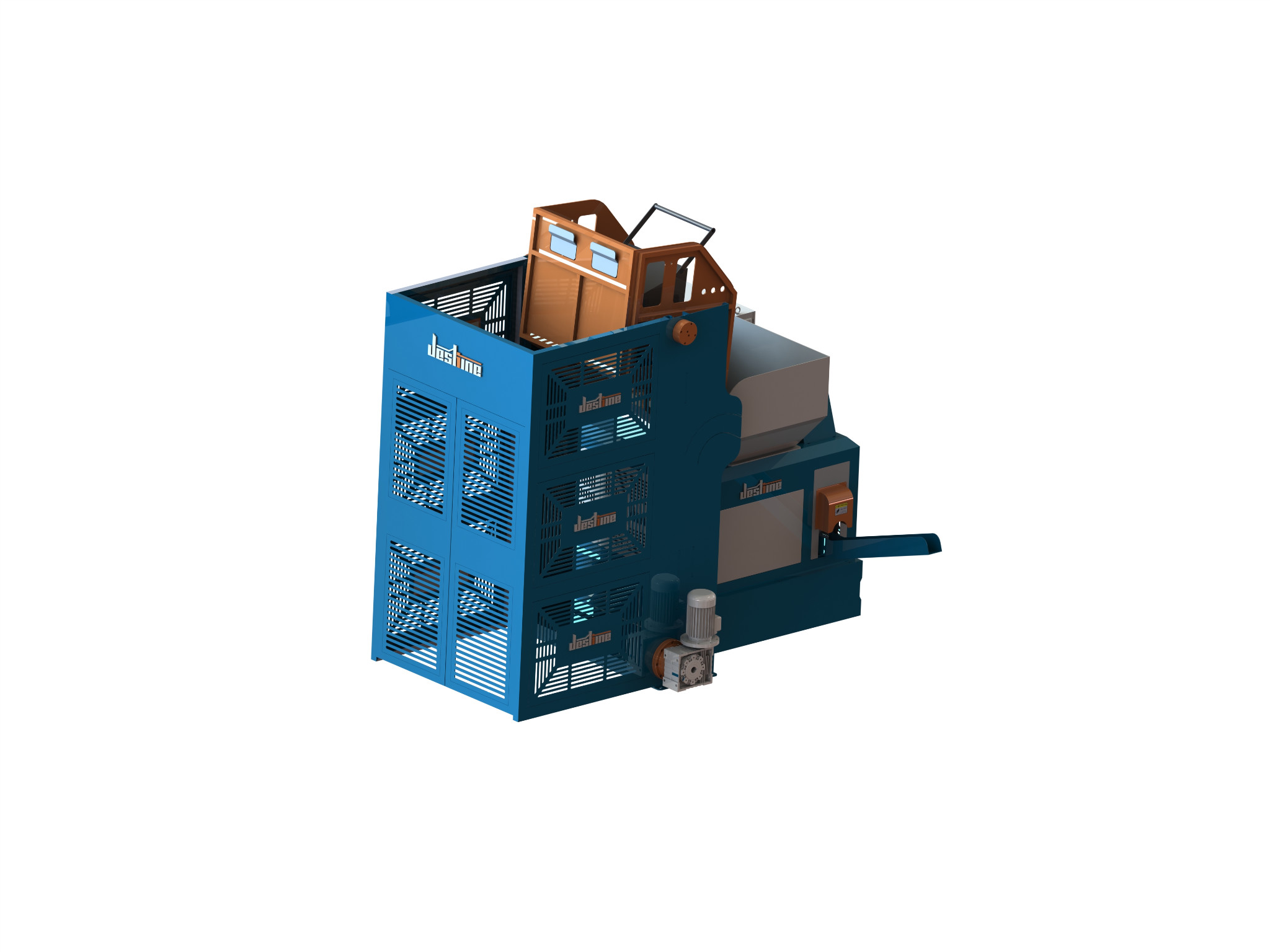
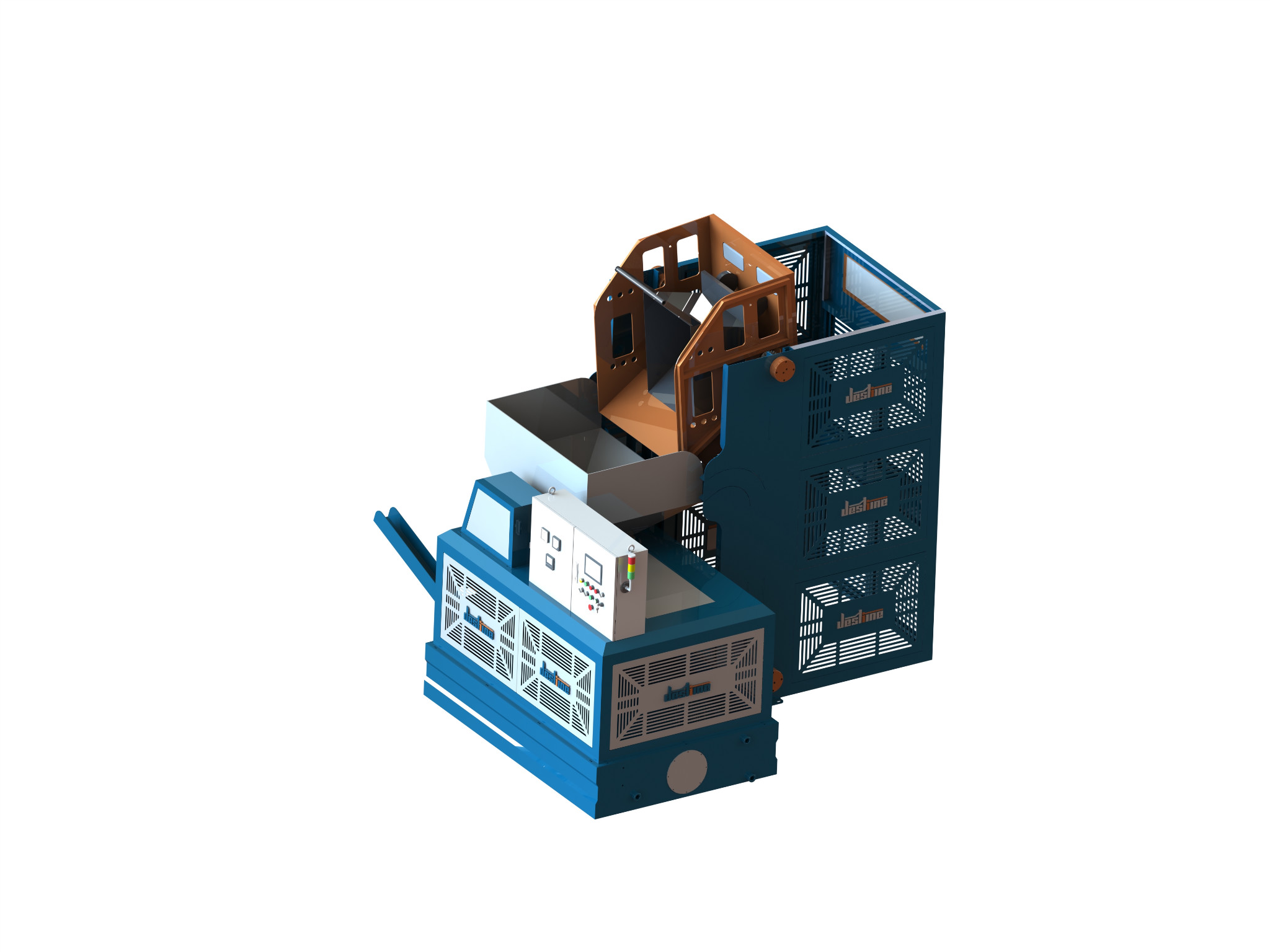
This solution focuses on handling short metal machining chips from a collection container through lifting and tipping into a receiving hopper, followed by briquetting and discharge. The illustrated arrangement brings the container-handling unit and briquetting equipment together for a coordinated workshop workflow.
The lifting unit handles chip containers; the downstream metal chip briquetting machine performs hydraulic compaction into metal briquettes.
Explore four equipment views of the lifting cradle, receiving hopper, briquetting unit and discharge area. Bringing these stages together supports a clear material-handling route from collected short chips to briquette collection.
Feedstock assessment & collection requirements
Short chips are the starting point for this solution, but chip length alone does not establish suitability. Review the metal grade, chip shape, loose bulk density, residual cutting fluid and contamination using representative material.
Confirm whether the chips empty consistently from the collection container and pass through the receiving arrangement without bridging. Long, stringy or tangled swarf needs a separate assessment and may require preparation before feeding. Keep metal grades separate where the downstream recovery process requires it.
Provide the collection-container dimensions, loaded weight, daily chip quantity, peak delivery pattern and proposed briquette collection method. Identify any residual-fluid handling needs and assess dust or combustible-metal hazards for the actual material and site.
Lifting, tipping & briquetting workflow
- Collect suitable short chips: segregate the agreed material stream and bring it to the container-loading position.
- Position the container: check compatibility with the lifting cradle and follow the specified loading procedure.
- Lift and tip: transfer the load into the receiving hopper using the agreed automatic operating sequence.
- Feed and compact: coordinate material delivery with the briquetting cycle.
- Collect the briquettes: arrange the discharge and collection area around the intended handling method.
The level of automation, cycle initiation, level sensing and responses to interruptions must be agreed for the selected equipment. Review what happens when a container is empty, the hopper cannot accept more material or the press is unavailable.
Two 2D layouts & installation planning
Both supplied 2D drawings are included below for layout discussion. They are separate arrangement references: the second shows a different equipment outline, so its dimensions should not be transferred to the assembly in the renders or combined with the first drawing.
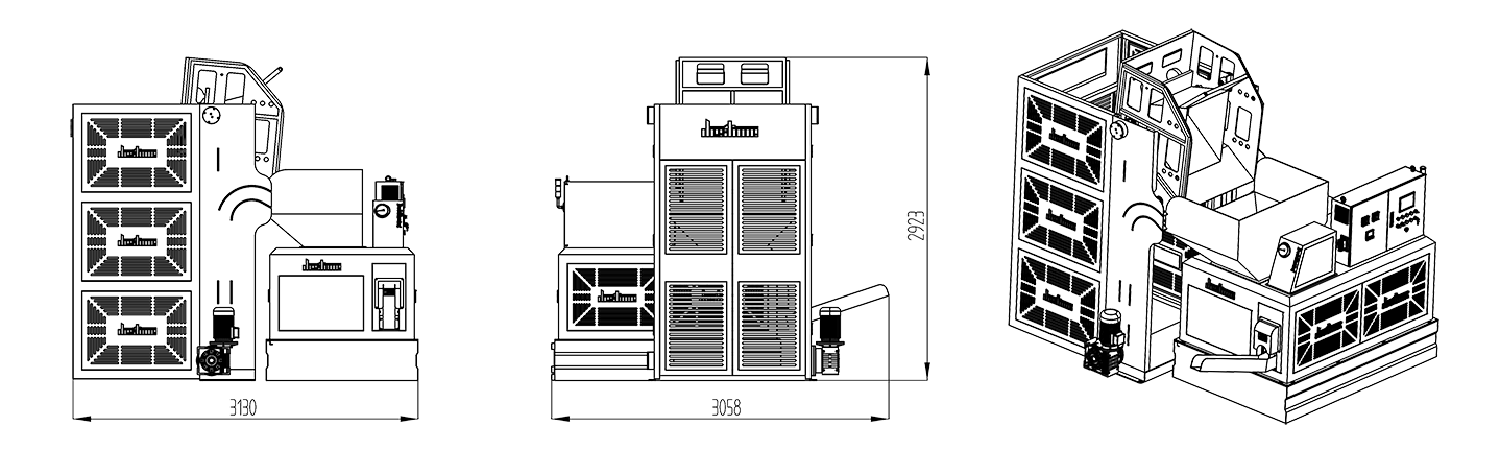
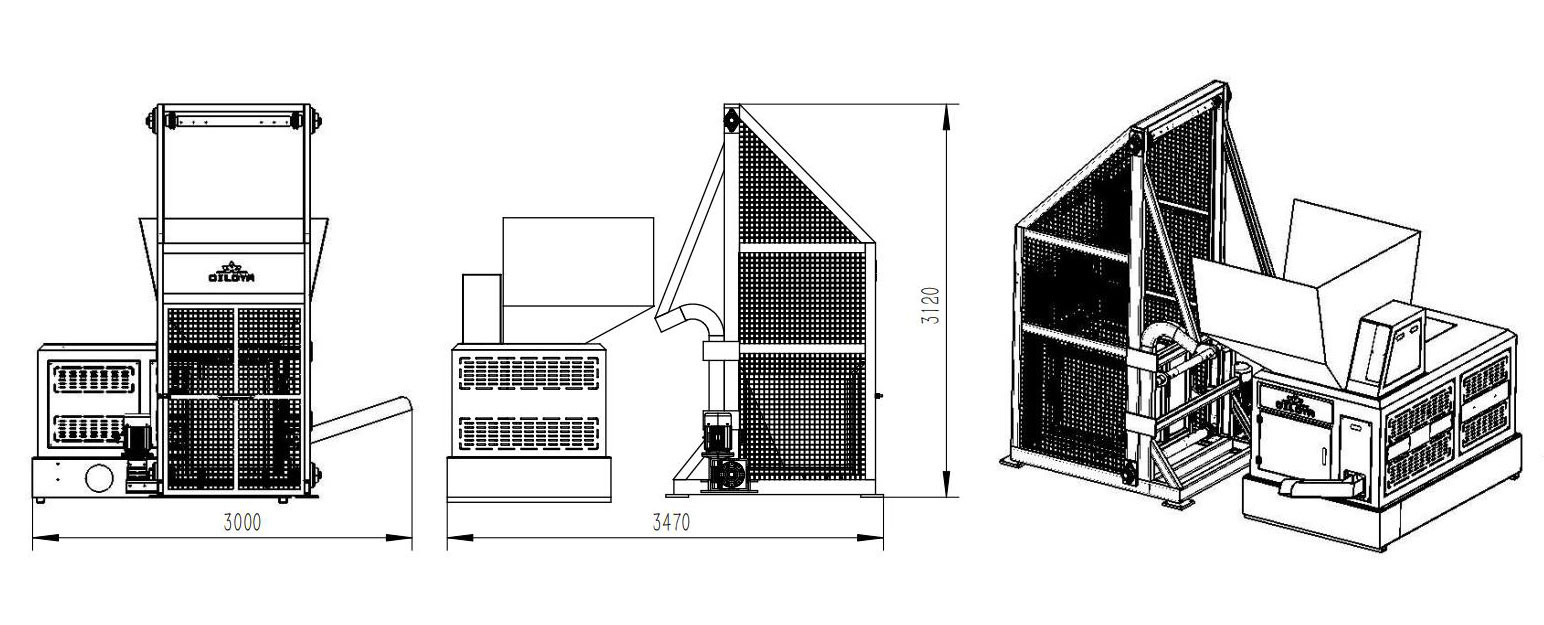
Obtain the approved project drawing, with confirmed units and revision, before using any annotations for installation.
Plan the container approach, full lifting and tipping envelope, available headroom, hopper access, discharge collection and maintenance routes. Confirm floor loading, anchoring, electrical services and working clearances with the final equipment documentation. Do not scale dimensions from a rendering.
Configuration & acceptance checks
Select the lifting unit, receiving arrangement and briquetting press together around the actual short-chip stream. Confirm the equipment model and operating requirements in the project equipment schedule.
| Review item | Project basis |
|---|---|
| Material suitability | Representative short-chip sample and agreed feedstock specification |
| Container compatibility and lifting limits | Container measurements, loaded weight and lifting-unit specification |
| Feeding and automatic sequence | Material behaviour and agreed control requirements |
| Throughput, power and pressing force | Selected equipment and material-specific assessment |
| Briquette form and handling | Selected tooling, sample trial and downstream requirements |
| Installed dimensions and utilities | Approved project drawing and equipment schedule |
For an acceptance trial, agree on the sample batch, run duration and output measurement method. Record feeding consistency, interruptions and briquette handling behaviour. Check guarding, interlocks, emergency stops and safe isolation against the final documentation with qualified personnel.
Frequently asked questions & next steps
What does “short-chip” mean for this solution?
It identifies the intended chip form, rather than a universal length limit. Confirm the accepted range and feeding behaviour using representative material; long tangled swarf requires separate review.
Do the two 2D drawings describe one fixed machine?
Do not assume that they do. They show different arrangement outlines. Confirm which drawing and revision apply to the selected configuration before planning installation.
Are the model, throughput and briquette size specified?
No. These must be confirmed for the selected equipment, actual feedstock and required output.
Plan your short-chip briquetting workflow
Send chip photos, metal grade, collection-container measurements, loaded weight, daily quantity and available floor layout. Include the desired briquette handling method and any residual-fluid requirements so the complete arrangement can be reviewed.
Discuss your short-chip solution
Related handling arrangements
For a separately documented large-buffer-hopper configuration, see the DSS lifting, tipping and large-hopper briquetting solution. For bale production, see the HBW lifting and tipping baling solution.
Configuration note
The equipment renders and two reference layouts illustrate arrangements for project discussion. Confirm the selected configuration, material suitability and final installation requirements with the approved equipment documentation.