
Metal Balers
HBF Side Turn-Out Scrap Metal Baler
Hydraulic scrap compaction with side turn-out bale discharge
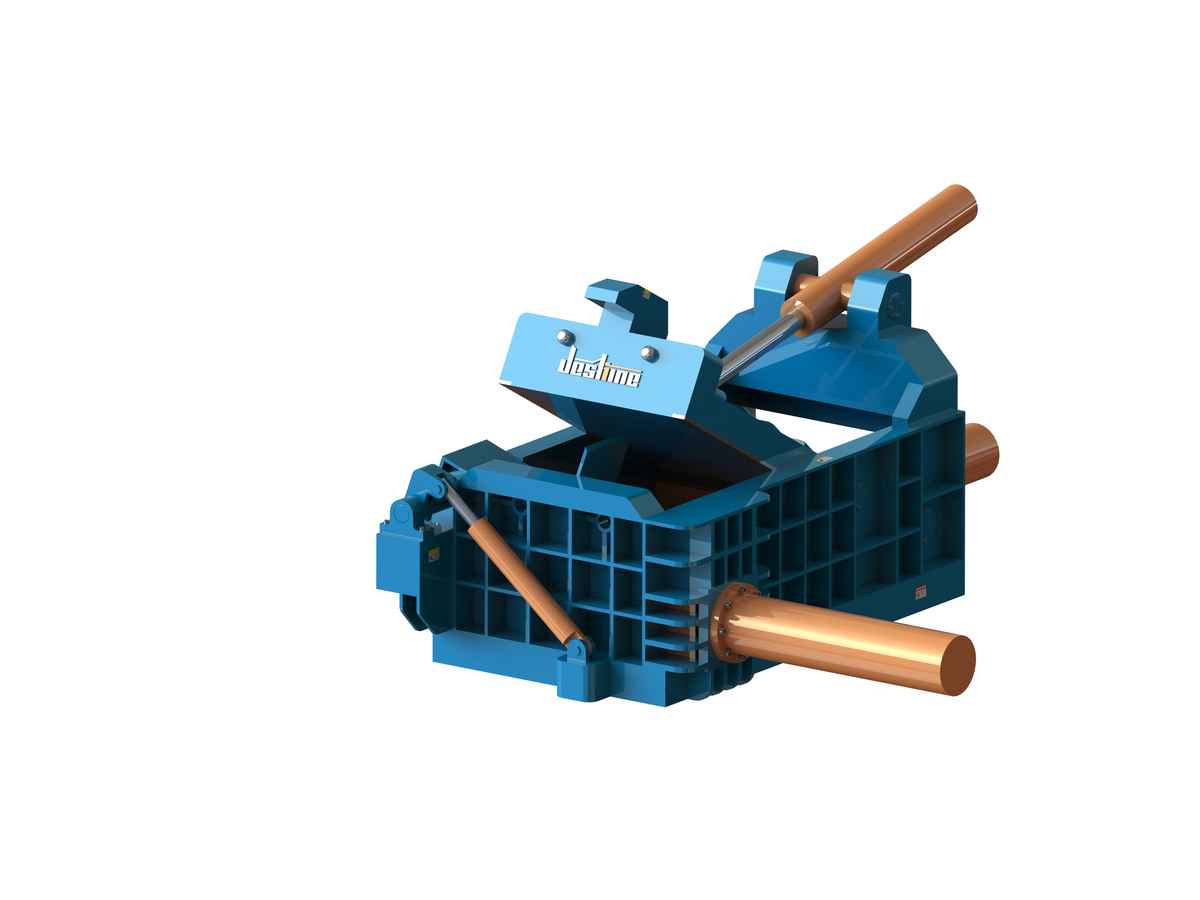
The Dershan HBF side turn-out scrap metal baler compresses prepared light metal scrap and non-ferrous offcuts into compact bales. Its horizontal three-ram hydraulic layout combines chamber loading, compression and side turn-out discharge for recycling yards and industrial scrap recovery.
Horizontal hydraulic balerThree-ram compressionSide turn-out dischargeModel-specific configuration
Suitable materials
PRODUCT VIDEO
HBF Side Turn-Out Scrap Metal Baler video
01 / PRODUCT DESCRIPTION
HBF Side Turn-Out Baler Overview
A horizontal baler with a side turn-out discharge arrangement.
HBF Side Turn-Out Baler: Materials, Operation and Specifications
Explore the side turn-out discharge arrangement, suitable scrap, equipment configuration and information needed to select an HBF baler.
The HBF is a horizontal hydraulic scrap metal baler with a three-ram compression arrangement and side turn-out bale discharge. Prepared loose scrap is compressed inside the chamber, then the formed bale is turned out toward a designated side receiving area. This layout is used for light metal scrap and non-ferrous scrap handling.
For recycling yards and manufacturing plants, baling can make loose scrap easier to collect, store and move as a contained unit. Actual bale quality and handling requirements depend on the metal, piece dimensions, contamination and selected machine. Plan the receiving area, loading access and forklift route together before selecting the layout.
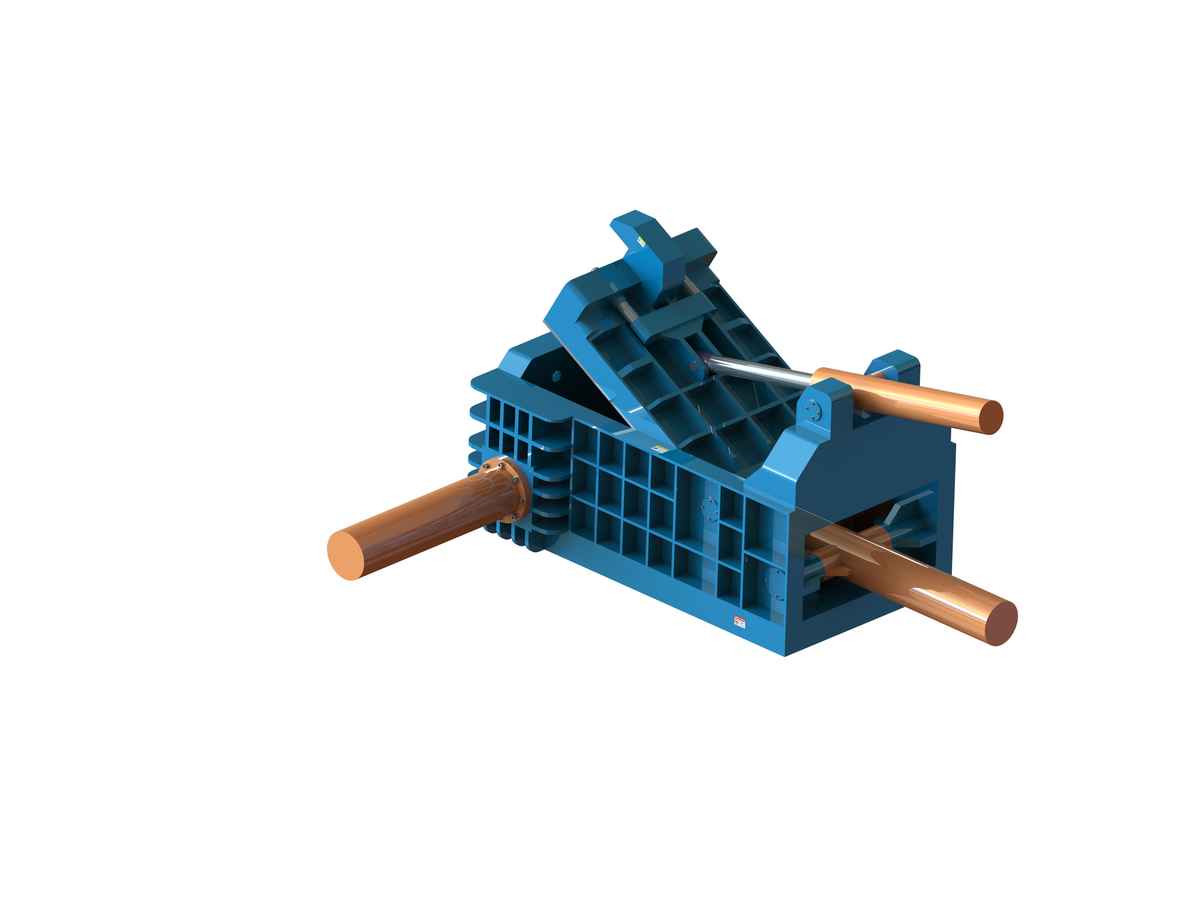
HBF identifies a series, rather than a single fixed machine specification. The supplied machine illustrations show possible equipment views; the final chamber, hydraulic configuration, controls and accessories must be confirmed in the technical proposal.
02 / MATERIALS & OUTPUT
Suitable Scrap & Bale Examples
Prepared light scrap and non-ferrous recycling applications.
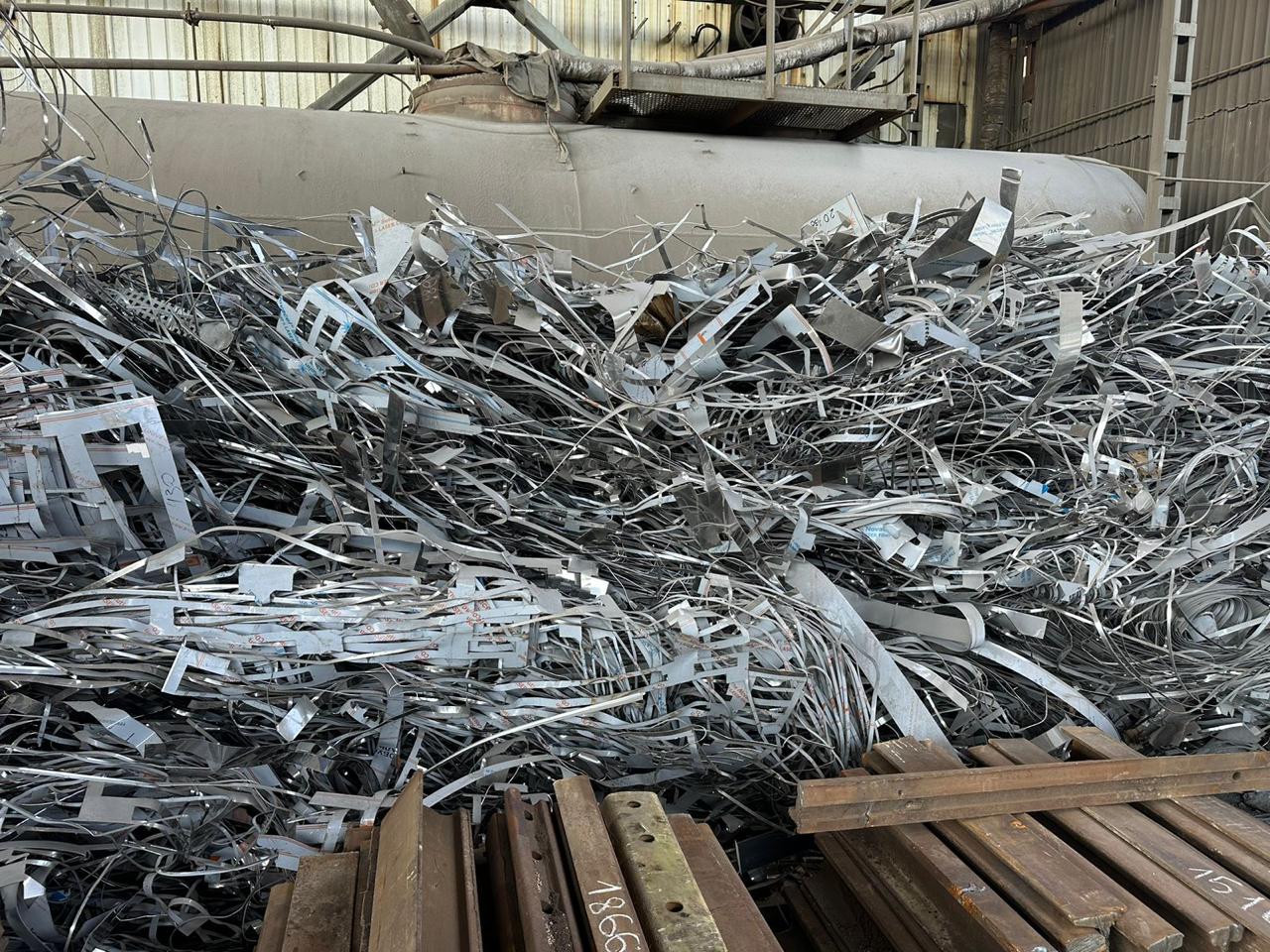
Prepared light steel offcuts and suitable non-ferrous production scrap, including aluminium, copper or brass offcuts, can be assessed for an HBF configuration. Confirm the material grade, maximum piece size, thickness, loose bulk density and contamination before specifying the machine.
- Scrap recycling yards: review sorted light metal streams and the required collection workflow.
- Metal fabrication and manufacturing: assess offcuts and production scrap against the chamber and loading requirements.
- Non-ferrous recovery: separate grades when required by the recycler or downstream process.
- Safe preparation: exclude batteries, sealed or pressurized containers, explosive items and hazardous contamination. Oversized or tangled material may need preparation.
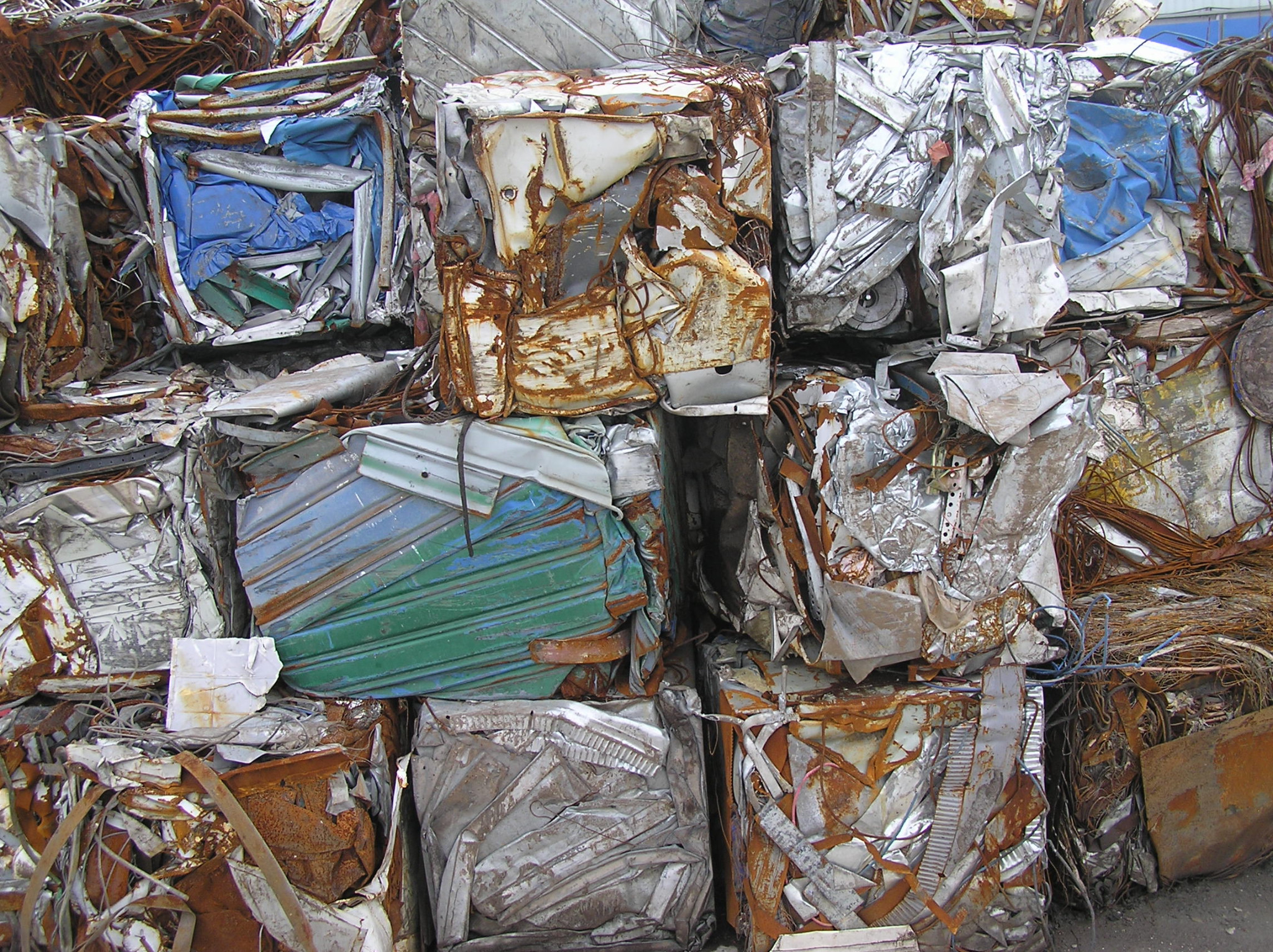
The supplied photographs show loose metal offcuts and compacted scrap bales. They illustrate material forms, not a verified before-and-after trial, confirmed alloy identification or output from a particular HBF model.
03 / STRUCTURE & FEATURES
Equipment features.
Hydraulic Structure & Configuration
Match the equipment to the material and installation.
Side turn-out discharge: the formed bale is turned out toward the side receiving zone.
Control choice: automatic or manual operation is specified for the project; optional remote control must be confirmed.
Loading arrangement: select manual or grabber loading around the feedstock, chamber access and approved safe workflow.
Installation planning: reserve space for loading, bale collection, maintenance access and protected operator positions.
Duty-matched configuration: confirm the hydraulic system, electrical supply, cooling and wear components in the selected model specification.
Equipment illustrations do not establish the final supply scope. Confirm guards, controls, handling interfaces and any optional accessories before ordering. Component brands or certification coverage require the selected machine documentation.
04 / WORKING PRINCIPLE
How Side Turn-Out Baling Works
Loading, compression and controlled side turn-out discharge.
Prepare and check the feedstock:
separate suitable scrap, remove hazardous items and verify piece dimensions.
Load the chamber:
use the approved feeding method while keeping personnel outside the moving-equipment zone.
Close and compress:
the hydraulic sequence contains the charge and forms the bale.
Turn out to the side:
the discharge mechanism releases the formed bale into the protected receiving area.
Collect and reset:
remove the bale using the agreed handling method before the next cycle.
Production rate depends on material condition, loading, compression settings and bale removal. Follow the machine manual and site isolation procedure; routinely inspect guards, interlocks, emergency stops, hydraulic hoses, oil condition and the receiving zone.
05 / TECHNICAL REFERENCE
Technical Specifications & Selection
Model-specific parameters matched to representative feedstock.
Use the following configuration guide to discuss an HBF selection. Final performance values and dimensions must be matched to the selected model and representative material.
| Parameter | HBF series configuration |
|---|---|
| Machine type | Horizontal hydraulic scrap metal baler |
| Compression arrangement | Three rams |
| Bale discharge | Side turn-out |
| Compression force | Depends on the model and material |
| Motor power | Depends on the model and material |
| Control | Automatic or manual; optional remote control to confirm |
| Feeding | Manual or grabber, subject to approved workflow |
| Production capacity and cycle time | Depends on the model and material |
| Chamber dimensions, bale size, weight and density | Depends on the model and material |
| Electrical supply, cooling and wear components | Confirm site requirements and operating duty |
For a quotation, send material photographs, grade, dimensions, thickness, loose bulk density, required hourly or shift volume, target bale requirements, working hours, electrical supply and a floor plan showing the side receiving area. A representative material test may be needed when feedstock varies or a specific output is required.
07 / QUESTIONS & SUPPORT
Product questions,
answered.
HBF Baler Questions & Support
Direct answers for scrap-recycling equipment selection.
How is HBF side turn-out different from side push-out?
The HBF uses a three-ram horizontal compression arrangement and turns the formed bale out toward a side receiving zone. Do not plan its collection area as though it were a straight push-out path. Confirm the actual discharge movement, receiving arrangement and handling access from the selected machine drawing before deciding where nearby equipment will sit.
What scrap should be assessed for an HBF side turn-out baler?
Prepared light steel offcuts and suitable aluminium, copper or brass production scrap are relevant feeds. Provide grade, thickness, largest piece dimensions, loose bulk density and contamination details. Oversized or tangled material may need preparation. Exclude batteries, sealed or pressurized containers and hazardous items, and preserve grade separation when required by the receiving recycler.
How do we confirm HBF capacity when bales must be collected from the side?
Include loading, compression, turn-out and removal from the receiving zone in the production assessment. A compression cycle alone omits part of the work. Test representative scrap with the intended handling equipment, measuring accepted bale mass over elapsed time. Confirm which loading and collection conditions are assumed in any quoted hourly or shift output.
Which bale qualities should be checked for HBF turn-out handling?
Agree the required bale dimensions, weight and integrity for the recycler and the site's collection method. During a representative trial, inspect the bale after the normal turn-out and removal sequence rather than only inside the chamber. Material form and springback matter, so an acceptable result for one offcut stream should not automatically cover another.
How much access should remain beside the HBF?
Reserve the complete side discharge and receiving area shown in the confirmed layout, together with the collection equipment's working route. Also allow chamber loading, hydraulic service and safe operator access. Manual or grabber feeding and any remote-control option must be specified for the project; they are not automatically included because they appear possible in a rendering.
What should HBF maintenance include around the turn-out mechanism?
Include the discharge mechanism and receiving zone as well as chamber wear, the three-ram hydraulic system, guards, interlocks and emergency stops in the inspection plan. Follow the manufacturer's service intervals and access procedures. Qualified personnel must use lockout and stored-energy controls before maintenance; no one should enter the turn-out area to intervene during a cycle.
What evidence should an HBF acceptance trial provide?
Use representative scrap with recorded grade, dimensions and loose density, and agree bale and production criteria beforehand. Document loading, finished bale mass and size, turn-out, collection and elapsed production time. The trial should show the proposed site workflow, not merely a formed bale. Keep results tied to the tested material and selected configuration.
Equipment Recommendation
Tell Us About Your Material and Capacity
Share the key operating conditions below so our team can compare suitable equipment and prepare a practical configuration.
✓ Material & Capacity Review✓ Configuration Recommendation✓ Pricing & Lead-Time Inquiry