
Metal Balers
HBK Heavy Duty Metal Scrap Baler
Twin-main-cylinder hydraulic compression with grab-out bale handling
The Dershan HBK Heavy Duty Metal Scrap Baler uses a horizontal hydraulic layout with twin main cylinders to compact prepared scrap for recycling and industrial recovery. A grab-out arrangement supports bale collection with suitable handling equipment.
Horizontal hydraulic balerTwin main cylindersGrab-out bale handlingModel-specific configuration
Suitable materials
PRODUCT VIDEO
HBK Heavy Duty Metal Scrap Baler video
01 / PRODUCT DESCRIPTION
HBK Heavy Duty Baler Overview
Horizontal hydraulic compression for prepared scrap.
HBK Heavy Duty Baler: Materials, Operation and Specifications
Review suitable scrap, twin-main-cylinder configuration, grab-out handling and the information needed to select an HBK baler.
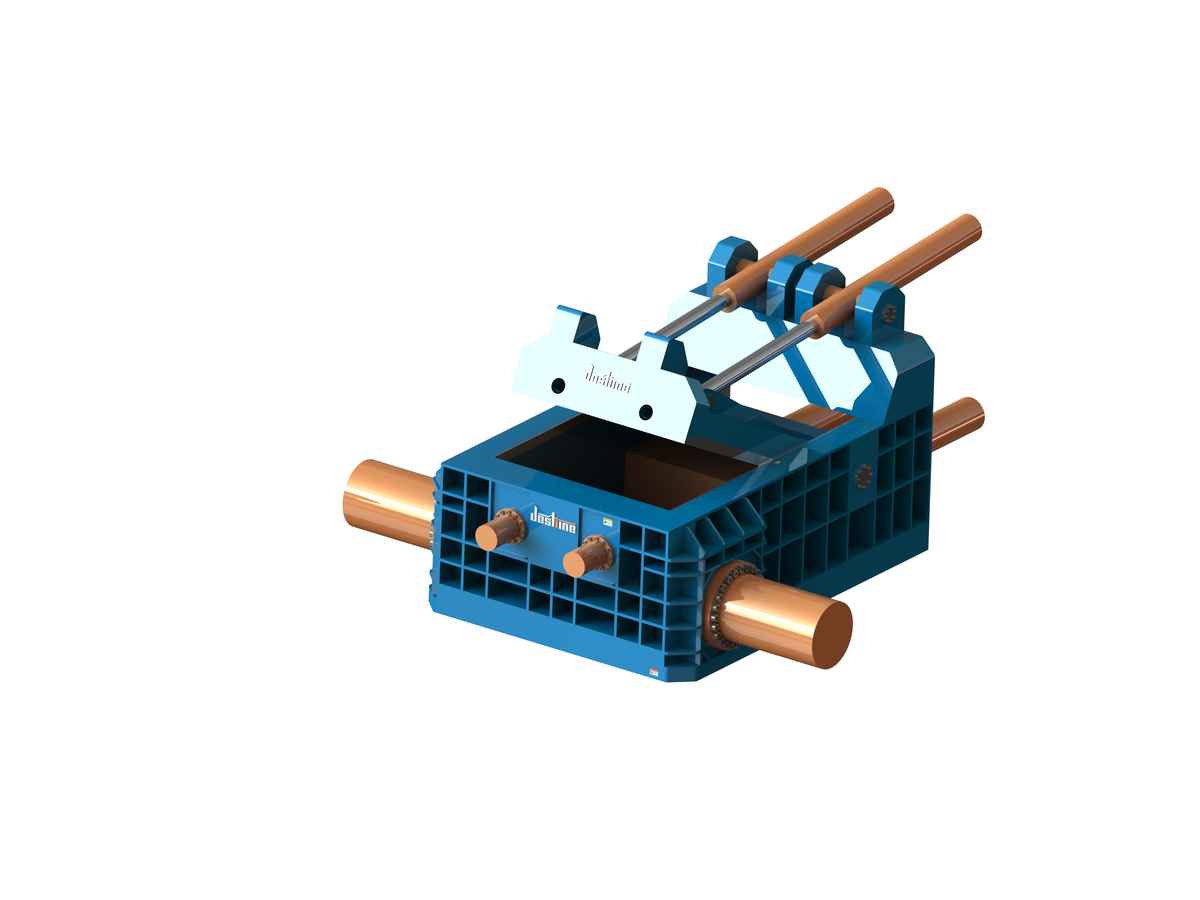
The HBK Heavy Duty Metal Scrap Baler is a horizontal hydraulic baler with a twin-main-cylinder arrangement. It compacts prepared scrap inside a charging chamber, with grab-out handling for the formed bale. Recycling yards and industrial scrap-recovery operations can use this layout to organize the collection, compaction and movement of suitable material.
The twin main cylinders are part of the compression system. The final hydraulic sequence, chamber arrangement and handling interfaces are defined in the selected machine specification. The equipment illustrations show different views of the machine; they do not establish the final supply scope.
HBK identifies a series, rather than one fixed machine specification. Select the configuration around the actual scrap, required bale characteristics, operating hours, electrical supply and loading and collection routes.
02 / MATERIALS & OUTPUT
Suitable Scrap & Wire Bale Examples
Assess the material before specifying the baler.
Prepared light metal scrap, suitable non-ferrous scrap and steel wire or rebar scrap can be assessed for an HBK configuration. Heavy duty describes the equipment category; it does not mean every heavy or oversized metal item can be fed without preparation. Confirm material grade, hardness, maximum dimensions, thickness, loose bulk density and contamination.
- Wire scrap: review wire diameter, springback, tangling and loading method using representative samples.
- Production scrap: assess steel and non-ferrous offcuts against the selected chamber and compression arrangement.
- Rebar scrap: confirm diameter, length, grade and any cutting or preparation required before feeding.
- Safe preparation: exclude batteries, sealed or pressurized containers, explosive items and hazardous contamination.
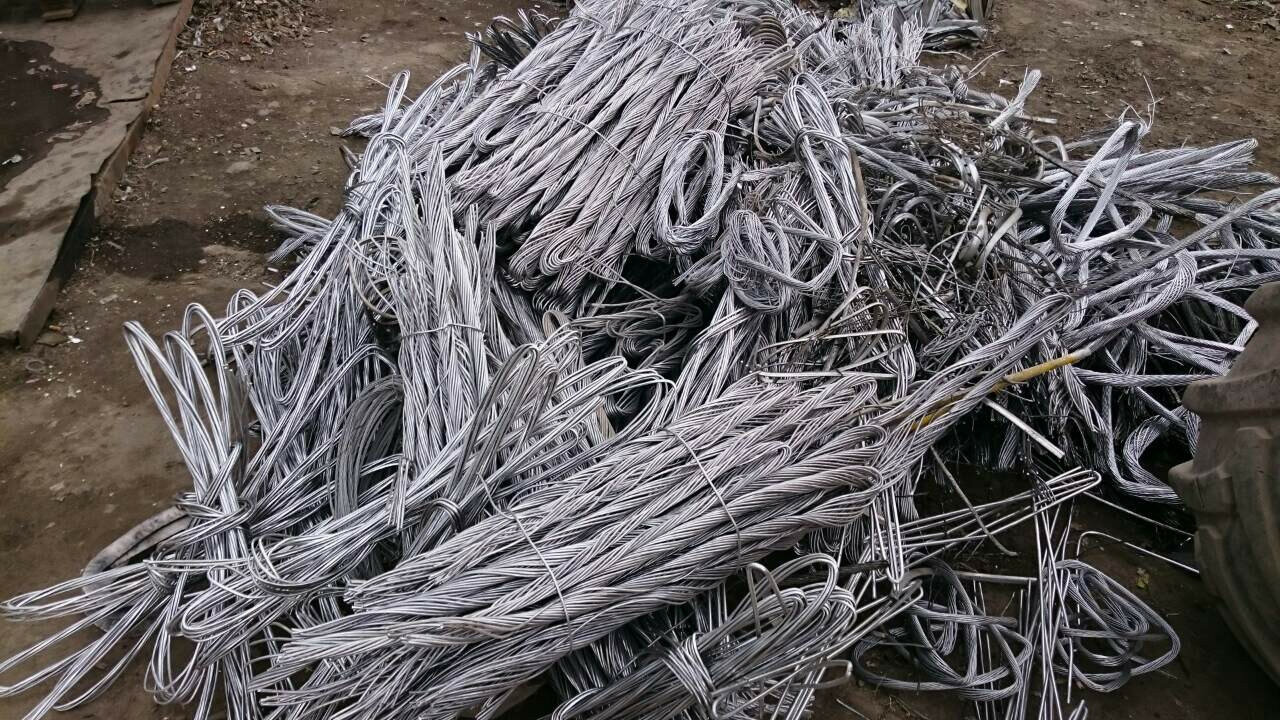
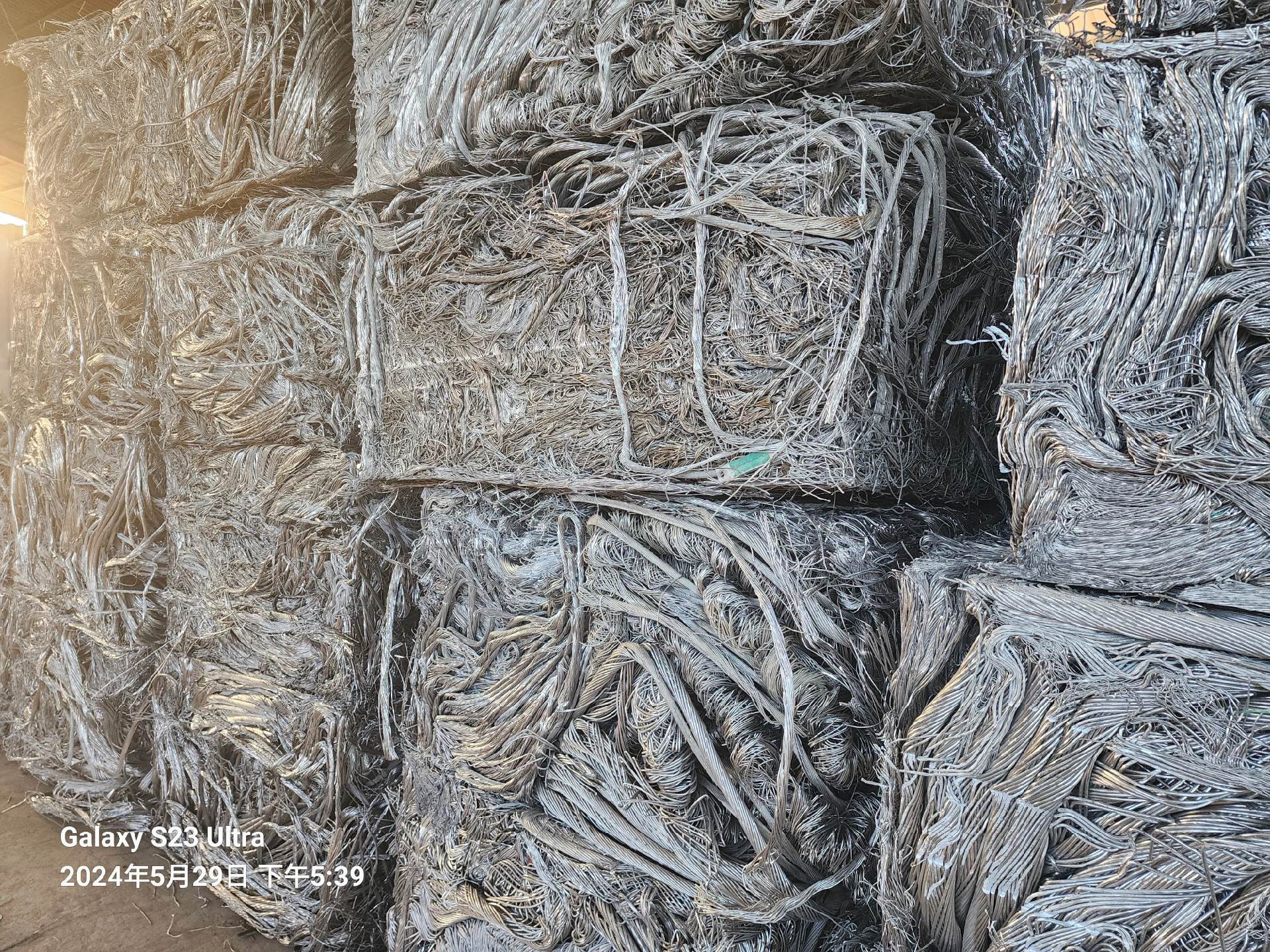
The supplied photographs show loose wire scrap and stacked wire bales. They illustrate material forms, not a verified before-and-after trial, confirmed alloy analysis or guaranteed output from a particular HBK model.
03 / STRUCTURE & FEATURES
Equipment features.
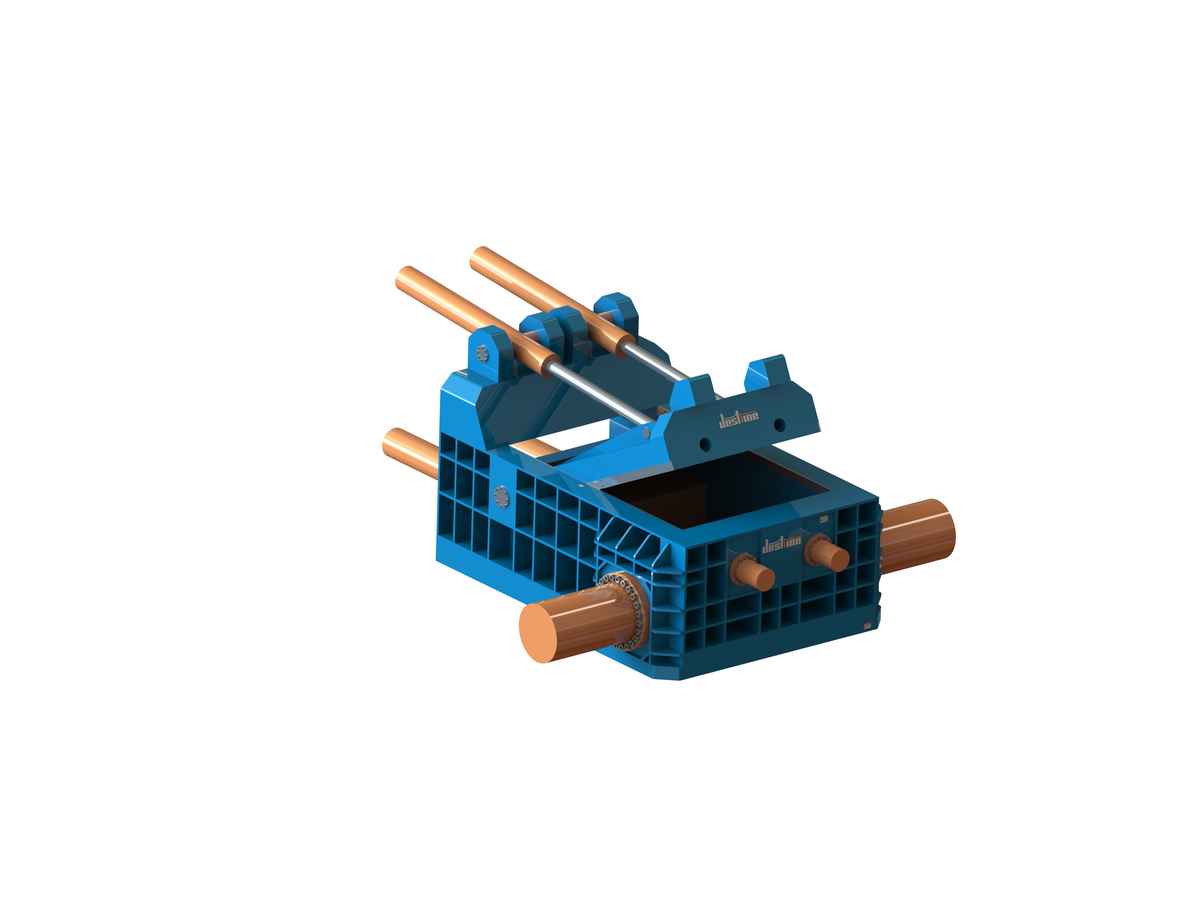
Twin Main Cylinders & Equipment Configuration
Match compression and handling equipment to the application.
Grab-out handling: plan suitable lifting or grabbing equipment and a protected bale collection area.
Control options: PLC automatic or manual operation is specified for the project; optional remote control must be confirmed.
Loading access: match the feeding method to the material, chamber and approved site workflow.
Duty-matched components: confirm hydraulic equipment, cooling, wear plates and electrical supply in the technical proposal.
Installation planning: allow space for loading, collection, service access and safe separation from moving equipment.
Confirm guards, controls, handling equipment and optional accessories before ordering. Component brands and certification coverage require model-specific documentation.
04 / WORKING PRINCIPLE
How Heavy Duty Scrap Baling Works
Loading, hydraulic compaction and grab-out bale collection.
Prepare the scrap:
sort the material, remove hazardous items and verify dimensions and loading suitability.
Load the chamber:
use the approved feeding equipment with personnel clear of the working area.
Contain and compress:
the hydraulic sequence compacts the charge to form a bale.
Collect by grab-out:
remove the formed bale with the specified handling equipment and a protected collection route.
Reset and inspect:
confirm the chamber and working area are clear before the next cycle.
Follow the machine manual and site isolation procedure. Inspect guards, interlocks, emergency stops, hoses, oil condition and handling interfaces routinely. Actual production depends on feedstock, loading, compression settings and bale removal.
05 / TECHNICAL REFERENCE
Technical Specifications & Selection
Model-specific parameters matched to representative feedstock.
Use this configuration guide to discuss an HBK selection. Final performance values and dimensions must be matched to the selected model and representative material.
| Parameter | HBK series configuration |
|---|---|
| Machine type | Horizontal hydraulic metal scrap baler |
| Main compression arrangement | Twin main cylinders |
| Bale collection | Grab-out |
| Compression force | Depends on the model and material |
| Motor power | Depends on the model and material |
| Control | PLC automatic or manual; optional remote control to confirm |
| Feeding | Confirm the approved loading method and handling equipment |
| Production capacity and cycle time | Depends on the model and material |
| Chamber dimensions, bale size, weight and density | Depends on the model and material |
| Electrical supply, cooling and wear components | Confirm site requirements and operating duty |
For a quotation, provide material photographs, grade, maximum dimensions, wire or rebar diameter where applicable, loose bulk density, required hourly or shift volume, target bale requirements, working hours, electrical supply and a floor plan. Representative material testing may be needed for variable scrap or a specified output.
07 / QUESTIONS & SUPPORT
Product questions,
answered.
HBK Baler Questions & Support
Practical answers for heavy duty metal baler selection.
Does HBK heavy duty mean oversized scrap needs no preparation?
No. HBK describes a horizontal hydraulic baler with twin main cylinders and grab-out bale handling. It does not approve every heavy, hard or oversized item. Material grade, hardness, maximum dimensions, thickness and loose density must be checked against the selected chamber and compression arrangement, with preparation specified where the feed requires it.
What information is needed before baling wire or rebar in the HBK?
For wire, record diameter, tangling, springback and the way it will be loaded. For rebar, provide diameter, length and grade, including any intended cutting beforehand. Representative samples are especially useful for checking bale formation and handling. Wire-bale photographs illustrate a material form; they do not establish the limits or output of a particular HBK.
Why does grab-out handling matter when calculating HBK output?
The complete production sequence includes loading, compression and removal of the bale by the specified grabbing or lifting equipment. Collection availability can affect the time between cycles. Confirm capacity with that equipment and normal operating conditions included, measuring accepted bale mass over elapsed time rather than relying on a hydraulic cycle or cylinder count alone.
What bale requirements should be agreed for HBK wire scrap?
Specify the dimensions, handling weight and condition required by the receiving recycler and the planned grab-out equipment. Check springback and bale integrity using representative wire under the approved handling method. Do not assume that a dense-looking sample is sufficient: the bale must suit collection, transport and the downstream requirements established for the project.
What installation space does HBK grab-out collection require?
Plan loading and bale-removal equipment around the chamber, with the reach, access and protected working areas confirmed in the site layout. Include a receiving or stacking area and service access around the twin-cylinder arrangement. Identify which handling equipment is supplied and which the site provides; grab-out describes the collection method, not an included crane or grab.
What should be included in the HBK maintenance plan?
Cover chamber and specified wear components, both main-cylinder assemblies and their hydraulic connections, guards, interlocks and control functions. Include the interfaces with bale-handling equipment in the inspection routine. Service requirements must follow the manufacturer's manual and actual operating duty, with qualified personnel applying lockout and stored-energy procedures before protected access or maintenance.
How should an HBK acceptance test account for springy or tangled feed?
Select samples that represent the actual wire, rebar or offcut stream, including meaningful variation in dimensions and springback. Agree preparation, loading and grab-out methods before testing. Record complete production time, bale mass and dimensions, and condition during approved collection. The acceptance result should define the material limits demonstrated rather than imply unrestricted heavy-scrap capability.
Equipment Recommendation
Tell Us About Your Material and Capacity
Share the key operating conditions below so our team can compare suitable equipment and prepare a practical configuration.
✓ Material & Capacity Review✓ Configuration Recommendation✓ Pricing & Lead-Time Inquiry