
Metal Balers
Front-Out HBQ Baler for Light Steel Production Offcuts
Define Prepared Light Steel Feed and Front Collection Space
Review an HBQ front-out baler for suitable prepared light steel production offcuts. Confirm grade, thickness, piece dimensions and loading conditions before model selection. Plan strip preparation, inspection and finished-bale collection around the real production route, excluding unreviewed heavy, reinforced or closed components.
PRODUCT VIDEO
Front-Out HBQ Baler for Light Steel Production Offcuts video
01 / PRODUCT DESCRIPTION
Product Overview
Purpose, machine structure and its role in the recycling process.
Define the light steel stream before selecting the baler
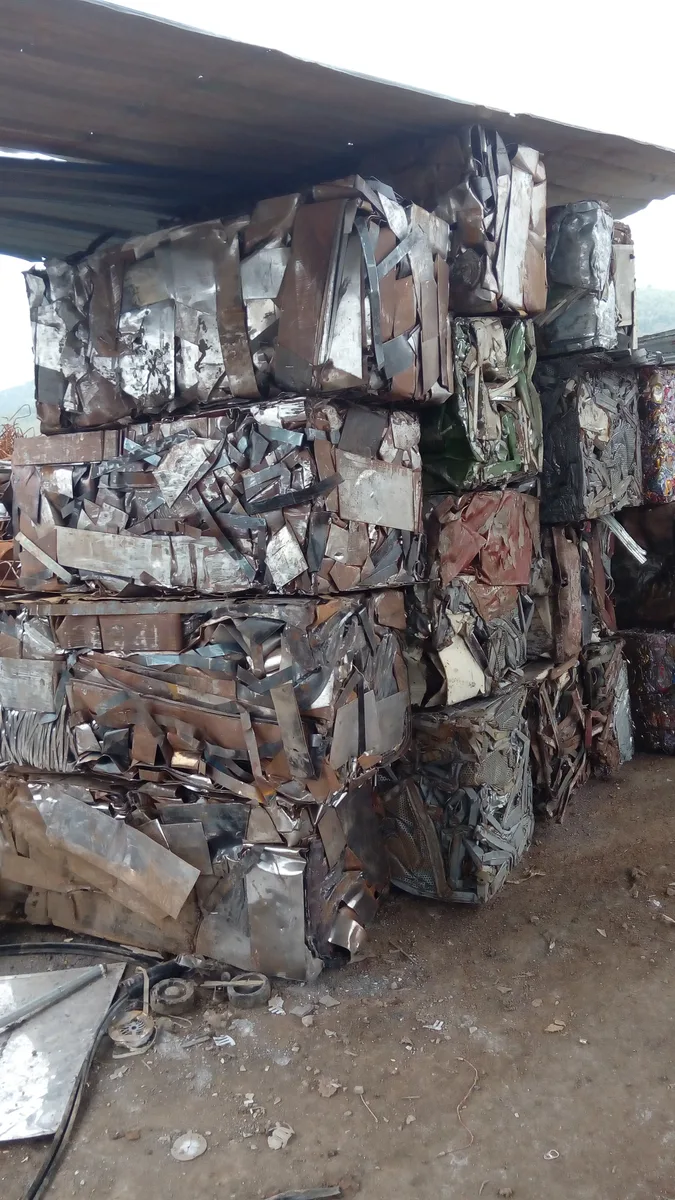
Light steel production offcuts can arrive as narrow trim, short sheet remnants or formed pieces released from fabrication. A Front-Out HBQ Baler for Light Steel Production Offcuts should be assessed using those actual forms, not a broad assumption that all steel scrap is suitable. Thickness, dimensions, grade and connected shapes need to be reviewed together.
The intended scope is prepared light production scrap. Heavy plate, solid bar, complete vehicles, engines and unknown closed components are not included in this description. Even within a light sheet stream, unusually long trim or reinforced pieces may require a separate preparation decision.
The HBQ family uses hydraulic compression and forward push-out discharge. This creates a front receiving position that must be considered alongside the loading route and bale pickup equipment. Review the HBQ front-discharge overview, then confirm a suitable model for the approved steel feed rather than assigning a machine from the series name alone.
02 / MATERIALS & OUTPUT
Applications & Materials
Suitable scrap materials, industries and operating scenarios.
Release approved offcuts from the production process
Describe the source operation and retain representative photographs of the normal collection bin. Record material grade, thickness, longest dimension and surface condition. Separate stainless, carbon steel and coated streams where the buyer requires it. A magnet check alone does not establish every grade distinction or remove the need for production records.
Check for tools, fasteners, thick reinforcements, plastic attachments and unrelated sweepings. Remove incompatible material under the site's approved procedure. If painted or galvanized scrap is included, identify that condition in the supplier review and receiving specification; compression does not remove a coating.
Long narrow trim can bridge a container, and formed pieces can nest or interlock. Define the prepared loading envelope and any separate cutting or reduction stage before ordering. This description does not establish that the baler has an integrated shear or can accept unlimited strip lengths.
Keep approved material in identified containers, with a route for rejected pieces. A scrap bin beside a production line can still receive unsuitable objects if release responsibilities are unclear. The person loading the machine should receive an approved stream rather than be expected to discover every exception during compression.
03 / STRUCTURE & FEATURES
Equipment features.
Features & Benefits
Operational advantages and configuration benefits for buyers.
Connect preparation, front discharge and collection
A defined front discharge route can support a dedicated finished-bale receiving area. Assess its usefulness with the actual forklift or other confirmed collection method, the planned turning space and nearby production traffic. The discharge direction by itself is not a guarantee of faster handling or an unrestricted choice of pickup equipment.
A documented feed specification helps the supplier review real steel geometry. It also gives the plant a basis for deciding whether a new offcut type is within the agreed envelope. That benefit depends on inspection and preparation, not on an unsupported claim that every light steel part will compress the same way.
The supplied HBQ information includes control and component alternatives. Choose the configuration in the context of the loading arrangement, electrical supply, operating environment and maintenance access. A PLC option does not imply automatic feeding or unattended operation, and listed component brands should be confirmed for the actual order.
Wear surfaces deserve attention where sheet edges and formed scrap contact the chamber. Discuss inspection access and the selected wear-plate arrangement with the supplier. Follow the specified service procedure and do not infer replacement intervals or wear life from the general material description.
04 / WORKING PRINCIPLE
Operation & Maintenance
Practical guidance for safe operation and routine maintenance.
Assess representative production containers
Provide normal and difficult examples of the proposed offcuts, including long trim and nested formed pieces where applicable. Explain their preparation and container arrangement, and supply a drawing of the incoming and outgoing routes. State the recycling buyer's bale requirements without assuming a series range guarantees every requested result.
Agree acceptance checks before a demonstration. Observe loading, compression, forward discharge and collection using the approved prepared feed. Record the model, options and material condition tested. An attractive sample bale is useful evidence of its own trial, but it is not proof of suitability for heavier or differently shaped steel introduced later.
Train operators using the selected machine's manual and site procedure. Never reach into an operating chamber or discharge area to pull out projecting steel. Stop and isolate as prescribed before permitted cleaning, blockage removal or service. Inspect hydraulic leaks, wear surfaces and unusual operating behavior through the documented maintenance routine.
Review the feed specification when production tooling, steel grade or part geometry changes. The Front-Out Baler Reference Video offers general equipment/process context, not confirmation of a test with every steel offcut shown on this page.
05 / TECHNICAL REFERENCE
Technical Parameters
Key selection data and model-dependent specification ranges.
Configuration reference
The six attributes below are selected from the supplied HBQ series information. Listed brands, cooling arrangements and controls are configuration choices rather than a promise that every machine includes them. Numeric ranges refer to the series, not to one adjustable machine. Confirm the exact model, electrical supply, loading arrangement and agreed acceptance conditions in the order specification.
| Attribute | Series reference / option |
|---|---|
| Remote control | Optional |
| Series oil tank volume range | 800–3,000 L; model dependent |
| Wear steel plates | Interchangeable |
| Series working pressure reference | 21.5 MPa; confirm selected model |
| Listed pump configuration | JiangSu Hengyuan; confirm selected configuration |
| Core components | Pump and motor |
06 / SOLUTIONS & CUSTOMER CASES
Plan the complete process.
RELATED NEWS
News & buying guides
APPLICATIONS
Material preparation guides
These are related material guides. Follow each guide’s feedstock limits; a related material is not automatically approved for every machine configuration.
07 / QUESTIONS & SUPPORT
Product questions,
answered.
Delivery, Service & FAQ
Delivery scope, technical support and frequently asked questions.
Frequently asked questions
Does light steel include heavy plate and solid bar?
No. This page concerns reviewed light production offcuts. Heavy or reinforced material requires a separate machine and preparation assessment.
Can long steel strip be loaded without cutting?
Only if its actual length and condition fit the approved loading envelope. A built-in cutting function is not established here.
Can coated steel be processed with bare steel?
Identify coatings and agree the receiving specification first. Baling does not remove coatings or make mixed grades equivalent.
Does a PLC option include automatic scrap feeding?
No. Control and feeding are separate configuration decisions. Confirm both against the actual container and handling arrangement.
Can another discharge layout be compared?
Yes. The side-turn-out steel page illustrates a different collection layout. Its photographs are not evidence of an HBQ front-out steel trial.
What information is needed for selection?
Provide grade, thickness, dimensions, surface condition, container photographs and the planned receiving area. Start with the HBQ family overview and confirm the model-specific working envelope.
Equipment Recommendation
Tell Us About Your Material and Capacity
Share the key operating conditions below so our team can compare suitable equipment and prepare a practical configuration.