
Metal Balers
Front-Out HBQ Metal Baler for Indoor Light Scrap Processing
Plan a covered scrap station around heat, housekeeping and access
Review an indoor Front-Out HBQ baler layout for light scrap, including ventilation, floor conditions, service access and safe forward bale collection.
PRODUCT VIDEO
Front-Out HBQ Metal Baler for Indoor Light Scrap Processing video
01 / PRODUCT DESCRIPTION
Product Overview
Purpose, machine structure and its role in the recycling process.
Fit the baler into the building, not only onto the floor plan
Indoor scrap processing brings the machine into the same space as people, production equipment and stored material. The Front-Out HBQ Metal Baler for Indoor Light Scrap Processing is a layout-led selection for suitable light metal offcuts. A covered location may make material condition and working routines easier to manage, but it does not by itself establish a safe or suitable installation.
Begin with the actual building constraints: entrances, columns, overhead services, floor condition and routes used by vehicles and pedestrians. Draw the machine with its loading, forward-discharge and maintenance envelopes. A footprint measurement alone misses the space required for an open cover, approved lifting equipment or removal of a service component.
02 / MATERIALS & OUTPUT
Applications & Materials
Suitable scrap materials, industries and operating scenarios.
Control what enters the indoor station
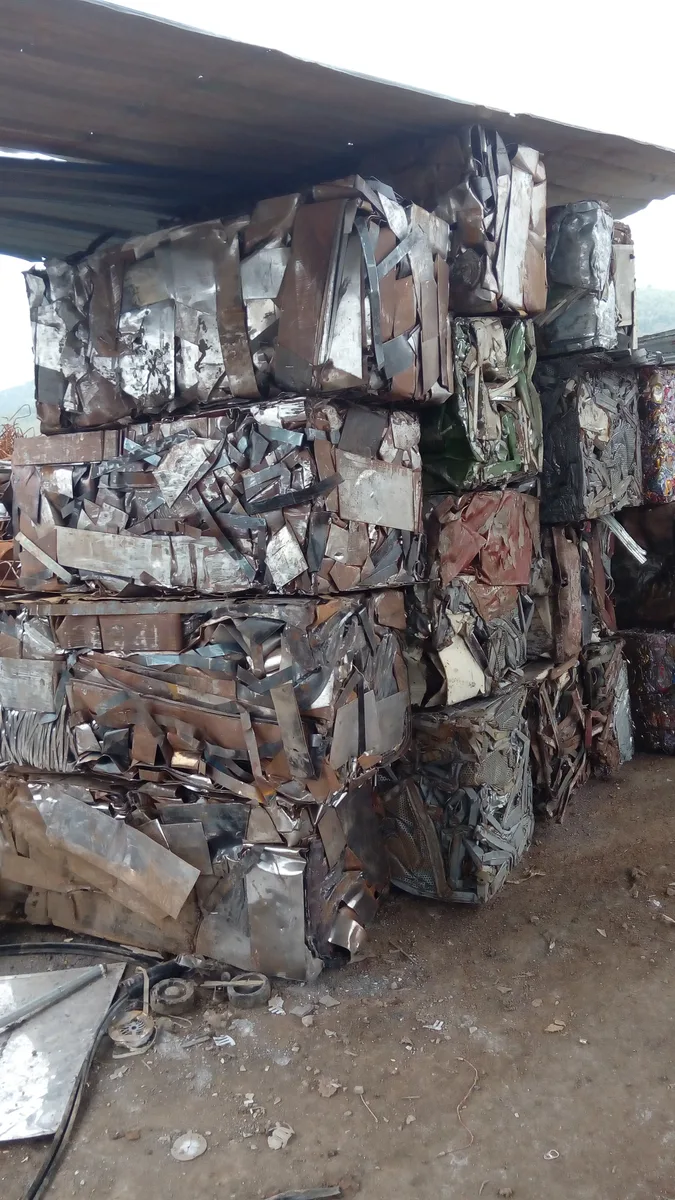
Separate the proposed scrap by metal grade, shape and condition before equipment selection. Provide representative light steel or nonferrous offcuts, including the longest pieces and normal contamination. Production scrap that appears dry can still carry process oil, coatings or hidden attachments. The assessment must cover what is actually collected during a full shift rather than only a clean sample chosen for a demonstration.
Do not treat indoor placement as permission to process hot scrap, sealed containers, pressurized items or unknown residues. Keep unsuitable material outside the approved feed stream. Establish the agreed housekeeping and spill response with the site team, including how loose sharp pieces are collected without entering machine movement zones.
If manual loading is proposed, review the hand-fed offcut workflow. Long strips or awkward pieces may require another approved preparation or handling method; a person should not compensate for poor feed preparation by reaching into the chamber.
03 / STRUCTURE & FEATURES
Equipment features.
Features & Benefits
Operational advantages and configuration benefits for buyers.
Evaluate the building services as part of the purchase
The hydraulic system compresses approved scrap in the chamber and discharges the resulting bale forward. This gives the site a defined collection direction, but the exit must remain clear of storage and vehicle queues. Mark the collection position and the route out of the building so that a finished bale does not become an obstacle to the next operation.
Cooling selection needs the supplier to know the indoor conditions. Air movement, nearby heat sources, seasonal temperatures and the proposed work pattern may affect the appropriate arrangement. The source lists cooling alternatives; it does not establish ventilation requirements or heat rejection for a specific machine. Compare the fan-cooled option while requesting the actual installation requirements.
A planned indoor station can support consistent sorting and inspection because the work area is defined. That benefit depends on disciplined storage and access, not an unverified productivity claim. Keep incoming containers, finished bales and maintenance supplies in identified positions. Review noise, lighting and any emissions with qualified site personnel rather than assuming the baler is approved for every enclosed space.
04 / WORKING PRINCIPLE
Operation & Maintenance
Practical guidance for safe operation and routine maintenance.
Commission the complete work area
Confirm floor loading and foundation requirements from the selected machine drawing. Electrical connections, protection and isolation must be planned by qualified personnel using the final nameplate and instructions. Do not choose cables or floor reinforcement from a general series range on a product page.
During acceptance, run representative material through the approved sequence and observe the entire station. Check whether a loaded container blocks a doorway, whether the collection vehicle can approach without crossing an occupied loading position and whether maintenance access remains available. Record material condition, configuration and the agreed checks.
Operators should use the machine-specific procedure. Stop and isolate before jam clearance, internal cleaning or maintenance. A tidy indoor station still needs periodic inspections of hoses, wear surfaces and the collection area. Reassess the layout when production changes introduce a new container, scrap size or handling vehicle.
05 / TECHNICAL REFERENCE
Technical Parameters
Key selection data and model-dependent specification ranges.
Configuration references for the enquiry
The six attributes below come from the supplied HBQ series information. They describe reference values or configuration choices, not proof that every machine includes every option. Confirm the selected model, material approval, supply, loading and forward-discharge arrangement in the written order.
Keep full series ranges intact when comparing quotations. Do not combine their endpoints into a new machine size or infer production from a no-load cycle. Final acceptance should use the actual material and agreed operating conditions. Ask for the machine-specific manual, layout and configuration list before approving the installation.
Front-Out Baler Reference Video is the user-designated equipment/process reference. It is not proof that this exact material or configuration was tested, and does not establish a production rate.
| Attribute | Reference value |
|---|---|
| Listed pump configuration | JiangSu Hengyuan; confirm order specification |
| Control alternatives | PLC automatic control or manual control; confirm selected package |
| Remote control | Optional; confirm selected control package |
| Series chamber width | 400–800 mm; confirm matched chamber dimensions |
| Listed electrical components | Schneider; confirm the ordered configuration |
| Supply frequency alternatives | 50 Hz or 60 Hz; specify applicable supply |
06 / SOLUTIONS & CUSTOMER CASES
Plan the complete process.
RELATED NEWS
News & buying guides
APPLICATIONS
Material preparation guides
These are related material guides. Follow each guide’s feedstock limits; a related material is not automatically approved for every machine configuration.
07 / QUESTIONS & SUPPORT
Product questions,
answered.
Delivery, Service & FAQ
Delivery scope, technical support and frequently asked questions.
Frequently asked questions
Does indoor installation require a particular cooling system?
Not automatically. Describe room conditions and the work pattern to the supplier. Compare the cooling option with the selected model requirements.
Can the machine be placed beside a production line?
Only after checking loading, discharge, service and pedestrian routes. A location that fits the machine footprint may still obstruct essential working space.
Is a normal concrete floor sufficient?
The source gives a level concrete-ground reference, not a structural approval. Confirm loads, anchoring and floor requirements from the installation drawing.
Can oily or coated scrap be processed indoors?
Provide the actual contamination details for material and site review. Do not assume that covered placement removes fire, exposure or housekeeping concerns.
What should be checked during an indoor trial?
Observe the full loading-to-collection route, material condition, access and supplier-prescribed checks. Do not assess the installation using only a single empty cycle.
What information is needed for a quotation?
Send material samples or accurate photos, floor plan, entrances, supply details and handling method. Use the HBQ overview as the starting equipment reference.
Equipment Recommendation
Tell Us About Your Material and Capacity
Share the key operating conditions below so our team can compare suitable equipment and prepare a practical configuration.