
Metal Balers
Front-Out Y81Q Baler for Appliance Panel Production Scrap
Separate manufacturing panel remnants from assembled appliance waste
Assess appliance panel production scrap for a front-out baler, covering painted or plated steel, folded edges, protective films, segregation and acceptance.
PRODUCT VIDEO
Front-Out Y81Q Baler for Appliance Panel Production Scrap video
01 / PRODUCT DESCRIPTION
Product Overview
Purpose, machine structure and its role in the recycling process.
Focus on the panel-manufacturing stage
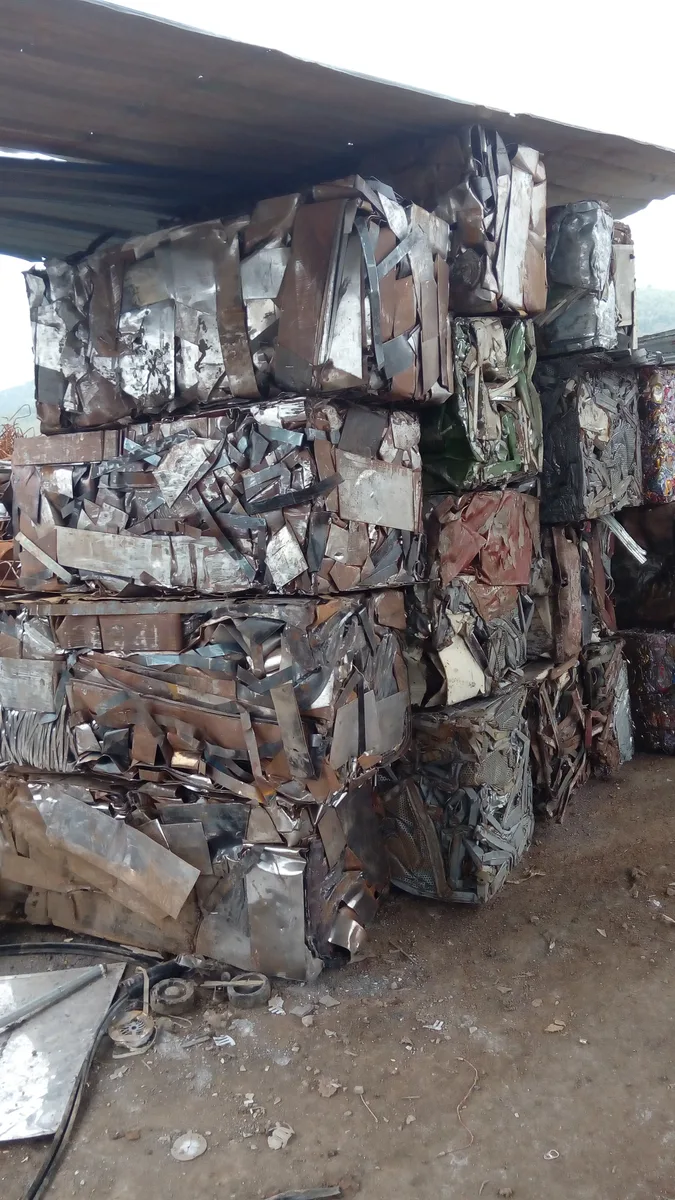
Appliance panel production can generate sheet trim, punched panel remnants and rejected formed panels before they become complete products. The Front-Out Y81Q Baler for Appliance Panel Production Scrap is an enquiry for those identified manufacturing materials, subject to approval of their metal, geometry and condition. The available workbook supplies HBQ front-out series information, not a confirmed Y81Q model specification or proof of a trial on appliance panels.
The stage at which scrap leaves production matters. A bare steel offcut, a painted formed panel and an insulated assembly can have very different preparation and downstream requirements. Keep those streams distinct at intake. This page does not extend material approval from a simple panel remnant to a complete appliance or an assembled cabinet containing other components.
02 / MATERIALS & OUTPUT
Applications & Materials
Suitable scrap materials, industries and operating scenarios.
Identify surfaces, folds and attached material
Record the substrate grade, thickness and panel dimensions, including folded returns, hemmed edges and stiffening features. Broad shallow panels may stack or nest in a collection container, making a visual estimate of the actual contents unreliable. Include the ordinary formed shapes in the supplier review rather than presenting only flat trim that is easier to describe.
Identify the surface treatment, such as paint, plating or another known production finish. Describe protective film, adhesive labels, sealants and any attached nonmetal material separately. Their acceptability depends on the equipment review and the intended scrap buyer's requirements. A metal baler should not be described as removing coatings, separating plastics or improving metal purity.
Where preparation requires removal of films or attachments, define an approved upstream method and a clear release check. Do not assume that compression makes an unsuitable composite panel acceptable. Reject or isolate unassessed insulated sections, unknown adhesives and parts with hidden components until their composition and treatment requirements are established.
Exclude whole appliances, refrigerant-containing or pressurized equipment, compressors, batteries, electrical assemblies, hot scrap and sealed objects from this proposed feed stream. Production origin alone does not establish that an assembly is safe to bale. The application is limited to material explicitly reviewed as panel-production scrap, with contamination and attachments within the agreed acceptance envelope.
03 / STRUCTURE & FEATURES
Equipment features.
Features & Benefits
Operational advantages and configuration benefits for buyers.
Match the station to panel shape and grade segregation
The hydraulic front-out series reference provides a proposed compression and forward-discharge arrangement. Ask the supplier to confirm the selected machine, actual chamber dimensions and loading method for the reviewed panels. Do not infer that a full-sized rejected panel fits safely because its nominal flat dimensions fall within one endpoint of a general series range; formed returns and nested groups also need assessment.
Discuss whether different finishes or metal grades should remain in separate containers and bales. Some production lines handle more than one substrate, and painted surfaces can make visual identification difficult. The material-batch guidance is useful when planning separation, but acceptance and commercial grading must be agreed with the actual buyer.
Plan the forward receiving position using a representative finished bale and the approved collection method. Surface finish does not establish bale stability, and visible panel openings are not lifting points. For an indoor station, confirm access, housekeeping and building services. Discuss the fan-cooled option as one possible configuration, subject to the actual installation conditions. No ventilation rating, fire classification or automatic handling system is established by the supplied data.
04 / WORKING PRINCIPLE
Operation & Maintenance
Practical guidance for safe operation and routine maintenance.
Accept a defined panel stream, then control changes
Prepare separate evaluation samples for the meaningful production conditions: flat trim, approved formed panels and each relevant surface or attachment condition. Record what was removed before the trial and what remained. A result from clean bare steel should not be used to approve painted, film-covered or composite material without review.
Agree acceptance criteria covering loading under the machine instructions, discharge, collection and the buyer's limits on coatings and nonmetal content. Include normal container presentation so nested panels or protruding folds are visible in the assessment. If processing expectations are being compared, use the full agreed workflow rather than reporting an unloaded machine cycle as panel-scrap output.
Give production personnel a simple change-notification rule. New paint systems, films, adhesives, insulation designs or folded geometries may require another material review. Keep unidentified rejects separate rather than mixing them into an accepted batch to clear floor space. The approved material description should follow the stream from generation through finished-bale storage.
Operate and maintain the selected machine according to its delivered instructions. Do not reach into the chamber to flatten a panel, release a nested group or clear a projecting edge. Stop and isolate using the prescribed procedure before addressing a jam. Reassess recurring handling difficulties as a preparation or selection issue instead of relying on improvised operator intervention.
05 / TECHNICAL REFERENCE
Technical Parameters
Key selection data and model-dependent specification ranges.
Configuration references for the enquiry
The six attributes below are drawn from the supplied front-out series information in the HBQ sheet. They are reference choices for discussion, not a verified Y81Q model specification. Confirm each selected attribute against the proposed Y81Q machine, its drawings and the order. The HBQ series name is not being renamed as a Y81Q model.
Keep full series ranges intact when comparing quotations. Do not combine their endpoints into a new machine size or infer production from a no-load cycle. Final acceptance should use the actual material and agreed operating conditions. Ask for the machine-specific manual, layout and configuration list before approving the installation.
Front-Out Baler Reference Video is the designated equipment/process reference. It is not proof that this exact material or configuration was tested, and does not establish a production rate.
| Attribute | Reference value |
|---|---|
| Foundation reference | Level concrete ground; confirm installation drawing |
| Series chamber length | 800–2,000 mm; confirm matched chamber dimensions |
| Listed cooling option | Fan cooling; confirm system selection |
| Supply frequency alternatives | 50 Hz or 60 Hz; specify applicable supply |
| Drive | Hydraulic drive |
| Motor supply option | Customized voltage; confirm ordered electrical specification |
06 / SOLUTIONS & CUSTOMER CASES
Plan the complete process.
RELATED NEWS
News & buying guides
APPLICATIONS
Material preparation guides
These are related material guides. Follow each guide’s feedstock limits; a related material is not automatically approved for every machine configuration.
07 / QUESTIONS & SUPPORT
Product questions,
answered.
Delivery, Service & FAQ
Delivery scope, technical support and frequently asked questions.
Frequently asked questions
Can this baler process complete discarded appliances?
This enquiry does not cover whole appliances. It is limited to identified, approved panel-production scrap and excludes sealed, pressurized, refrigerant-containing and hazardous assemblies.
Are painted or plated panels automatically acceptable?
No. Identify the finish and obtain equipment and buyer acceptance for the actual stream. Compression does not remove coatings or establish the purity of the resulting metal batch.
Must protective film and labels be removed?
Use the agreed preparation requirement for the selected machine and buyer. Document remaining nonmetal content rather than assuming small amounts are acceptable in every application.
Can different panel metals share a container?
Only if the resulting mix is explicitly acceptable. For segregated production, review the batch-identification guidance and preserve material identity.
What matters when installing beside the panel line?
Check loading, forward collection, maintenance access and building services. The cooling reference helps frame one service question but does not establish the required indoor configuration.
When should panel scrap be reassessed?
Review changes in substrate, coating, protective film, adhesive, insulation or formed shape. A previous trial only supports the material and preparation conditions actually evaluated.
Equipment Recommendation
Tell Us About Your Material and Capacity
Share the key operating conditions below so our team can compare suitable equipment and prepare a practical configuration.