
Metal Balers
Front-Out HBQ Baler for Alternating Ferrous and Nonferrous Batches
Plan Material Changeovers Without Mixing Scrap Grades
Assess one HBQ front-out installation for separately approved ferrous and nonferrous batches. Define material release, retained-scrap inspection, handling-equipment checks and front-bale identification before changing streams. Each material still needs its own preparation and configuration review; automatic sorting or recipe changeover is not assumed.
PRODUCT VIDEO
Front-Out HBQ Baler for Alternating Ferrous and Nonferrous Batches video
01 / PRODUCT DESCRIPTION
Product Overview
Purpose, machine structure and its role in the recycling process.
Make the batch change a defined operating decision
A site considering one baling installation for separate ferrous and nonferrous streams needs more than a list of metals. The transition between batches affects material identity, residual scrap, container use and the release of the next approved feed. A Front-Out HBQ Baler for Alternating Ferrous and Nonferrous Batches addresses that changeover procedure rather than recommending that different metals be mixed in one load.
Only separately reviewed materials belong within the working scope. Suitable light steel offcuts and a particular aluminum or copper stream may require different preparation and collection checks. Acceptance of one does not prove acceptance of the others, and a generic series description cannot replace a model-specific assessment.
The front-out arrangement provides a defined receiving position for finished bales. Plan that position as a point where the outgoing batch remains identifiable before the next batch is released. The HBQ series overview supplies general machine context; this page focuses on the responsibilities and evidence around changing material.
02 / MATERIALS & OUTPUT
Applications & Materials
Suitable scrap materials, industries and operating scenarios.
Build a release list for each approved stream
Give each stream a written description covering grade, source process, thickness or section geometry, longest piece and surface condition. Identify contaminants that would make a batch unsuitable. Keep coated, attached or layered material outside the accepted description unless its condition has been explicitly reviewed.
Use separate, clearly identified containers for ferrous and nonferrous scrap. A shared bin, grabber or collection area can reintroduce material that was correctly sorted at the production line. Include those handling interfaces in the changeover plan instead of checking only the chamber.
Determine how the site verifies material identity. Production records, agreed inspection methods and supplier information may all matter. Appearance or a simple magnetic response alone does not resolve every alloy distinction. The baler is not being presented as an automatic analyzer or separator.
Review each stream's geometry independently. Long steel strips, aluminum skeletons and copper tube ends are not interchangeable inputs. Any required cutting, dismantling or cleaning should be specified separately, with the prepared feed assessed for the selected machine.
03 / STRUCTURE & FEATURES
Equipment features.
Features & Benefits
Operational advantages and configuration benefits for buyers.
Use the front collection area to maintain separation
A designated receiving area can help keep the last bale of one batch apart from the first bale of the next. Its value depends on labeling, space and the collection procedure. Confirm that bale pickup does not force operators to place unidentified material in the same holding position.
A documented transition check can prevent an unreviewed production change from becoming an unreviewed baler load. The useful advantage is a clear stop-and-review point when the material description changes, not an unsupported guarantee of zero cross-contamination or a specified changeover time.
The supplied HBQ series includes alternative controls and selected component options. Confirm how the chosen controls are used for the approved materials and who may change operating settings. No automatic recipe selection, material sensing or unattended batch change is established by the available information.
Inspection and cleaning access should be reviewed before purchase. Ask the supplier to identify the machine-specific safe method for dealing with retained scrap, and integrate that method with the site's isolation procedure. Do not promise an easy-clean chamber or tool-free access without confirmation of the actual design.
04 / WORKING PRINCIPLE
Operation & Maintenance
Practical guidance for safe operation and routine maintenance.
Rehearse the transition during acceptance
Prepare representative samples of each intended stream and explain the expected order of processing. Agree how the last bale is labeled, where the next incoming container waits and who releases the new batch. Include the loading equipment and outgoing storage area in this discussion.
During acceptance, observe a planned transition using the approved material conditions. Follow the manufacturer's instructions for stopping, inspection and any required cleaning. Record the configuration, preparation steps and checks used before admitting the next stream. A successful run with each material separately does not by itself document the complete transition procedure.
Keep the approval record narrow enough to be useful. If a new alloy, coating or shape is introduced, review it rather than treating it as equivalent because it belongs to the same broad metal family. Where buyer requirements prohibit carryover, agree the necessary controls and evidence before using a shared installation.
Never reach into an operating chamber or enter a discharge area to remove residual scrap. Stop and isolate as prescribed before permitted intervention. The Front-Out Baler Reference Video is general process context, not proof of a ferrous-to-nonferrous changeover or any contamination limit.
05 / TECHNICAL REFERENCE
Technical Parameters
Key selection data and model-dependent specification ranges.
Configuration reference
The six attributes below are selected from the supplied HBQ series information. Listed brands, cooling arrangements and controls are configuration choices rather than a promise that every machine includes them. Numeric ranges refer to the series, not to one adjustable machine. Confirm the exact model, electrical supply, loading arrangement and agreed acceptance conditions in the order specification.
| Attribute | Series reference / option |
|---|---|
| Discharge direction | Forward push-out |
| Baler arrangement | Three rams |
| Listed pump configuration | JiangSu Hengyuan; confirm selected configuration |
| Series working pressure reference | 21.5 MPa; confirm selected model |
| Drive | Hydraulic drive |
| Series steel plate thickness | 12–30 mm; selected component/configuration to be confirmed |
06 / SOLUTIONS & CUSTOMER CASES
Plan the complete process.
RELATED NEWS
News & buying guides
APPLICATIONS
Material preparation guides
These are related material guides. Follow each guide’s feedstock limits; a related material is not automatically approved for every machine configuration.
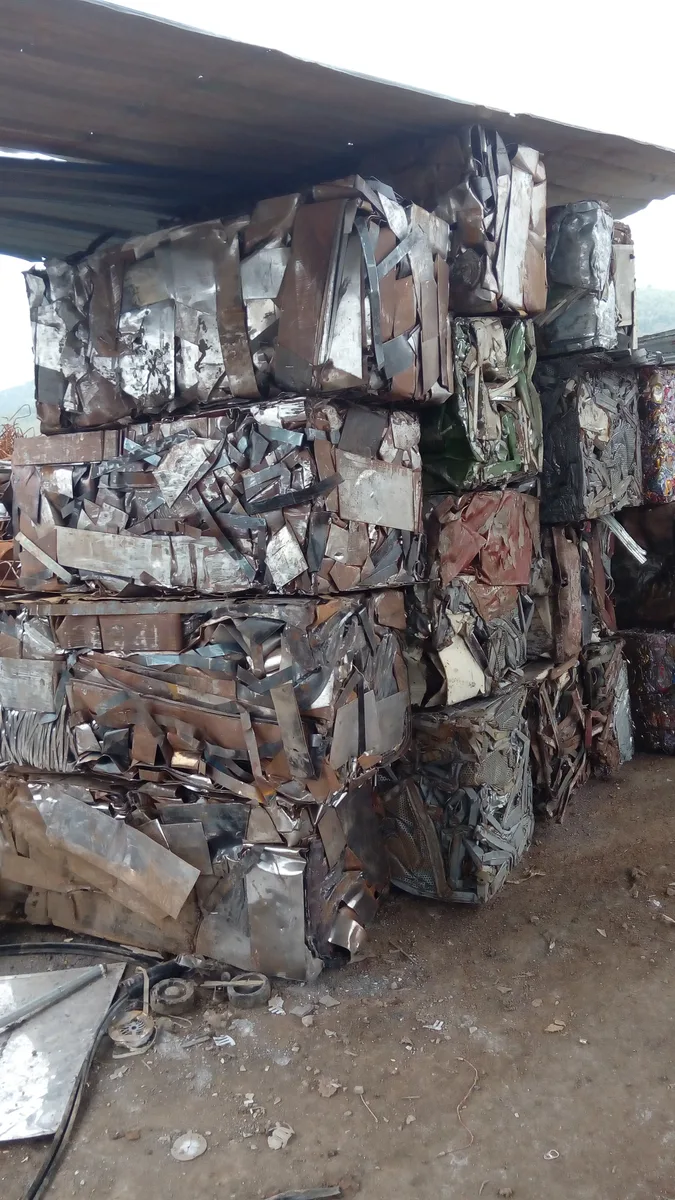
Light-Gauge Ferrous Scrap Baling
Practical sorting, preparation and equipment-selection guidance for light-gauge ferrous scrap, supported by representative material photos.
Read application guide ↗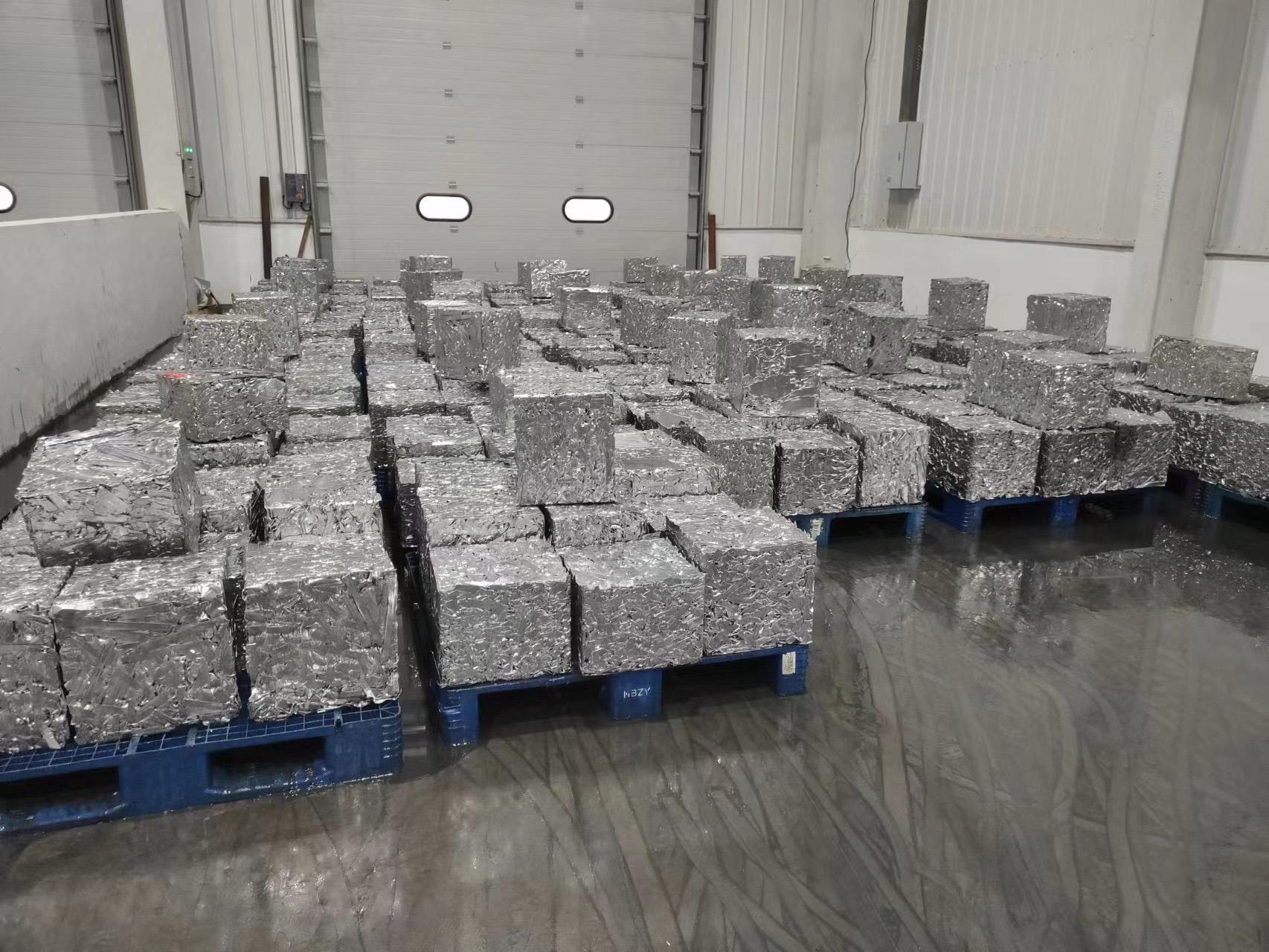
Aluminum Coil & Sheet Scrap Baling Recycling
Prepare aluminum coil, sheet, strip and production offcuts for hydraulic baling to reduce volume, improve storage and support efficient aluminium recycling logistics.
Read application guide ↗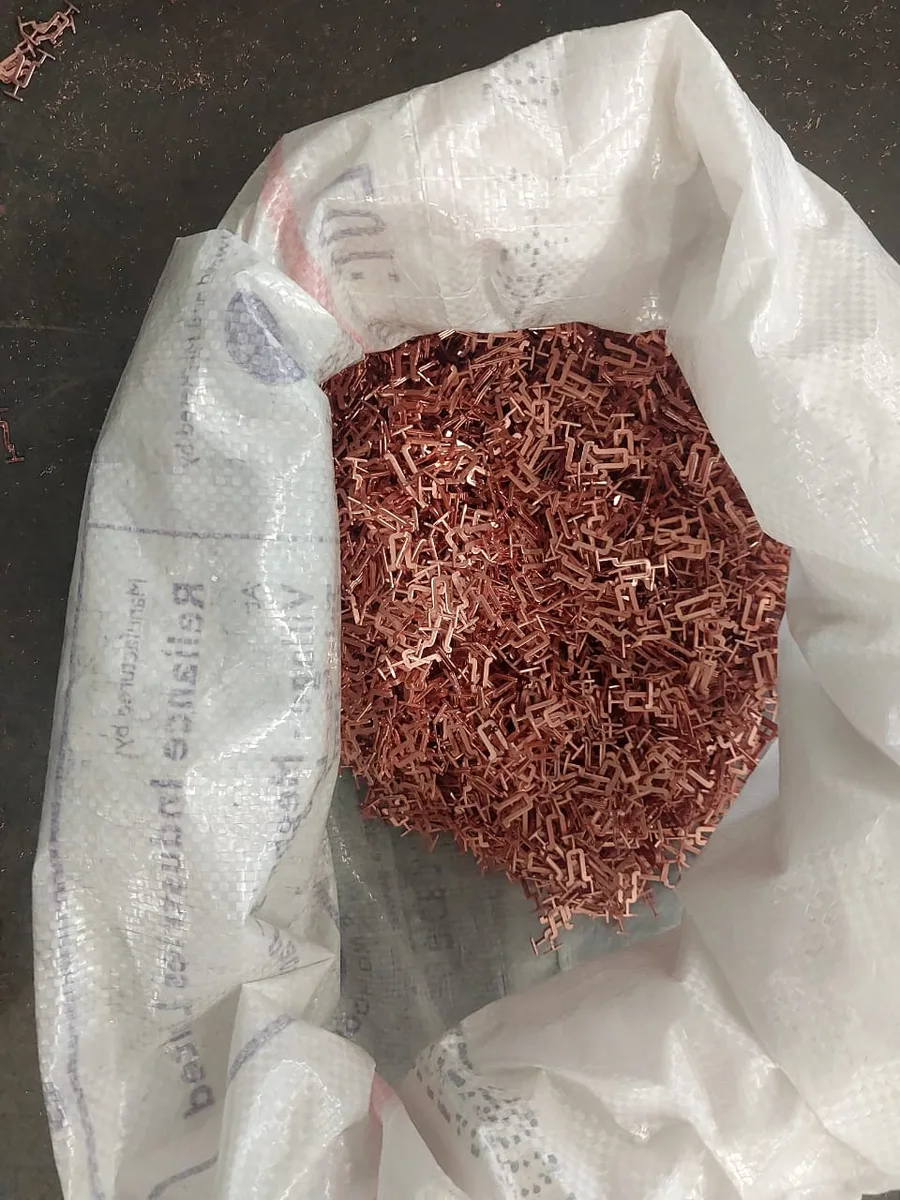
Copper Sheet Scrap Baling
Practical sorting, preparation and equipment-selection guidance for copper sheet scrap, supported by representative material photos.
Read application guide ↗07 / QUESTIONS & SUPPORT
Product questions,
answered.
Delivery, Service & FAQ
Delivery scope, technical support and frequently asked questions.
Frequently asked questions
Does alternating mean mixing ferrous and nonferrous scrap?
No. It means separately approved batches processed under a defined transition procedure. Do not mix them unless a specific recycling requirement and equipment assessment permit it.
Can the machine recognize the incoming metal?
No material-recognition feature is established. The site must maintain the agreed identification and release procedure.
Should shared handling equipment be included in changeover checks?
Yes. Containers, loading tools and receiving areas can affect separation even when the chamber has been checked.
Does an aluminum trial also approve a steel stream?
No. Assess each feed separately. Compare the aluminum sheet preparation guidance without treating it as steel-test evidence.
Can residual scrap be removed while the machine is running?
No. Follow the manufacturer’s stopping and isolation procedure before any permitted inspection, cleaning or blockage removal.
What should be specified in the order?
List approved streams, preparation, configuration and acceptance checks, including transition responsibilities. Use the HBQ overview only as family context.
Equipment Recommendation
Tell Us About Your Material and Capacity
Share the key operating conditions below so our team can compare suitable equipment and prepare a practical configuration.