
Hopper-fed layout: provides a defined loading point to coordinate material delivery with the baling cycle.
Metal Balers
Large-Hopper Scrap Metal Baler Shear
Integrated hopper feeding, hydraulic compaction and scrap preparation
Designed for recycling yards that need a defined feeding point for loose light-gauge metal scrap. The HBW series combines a horizontal hydraulic layout with a large feed hopper and a shear-baler configuration. It helps organize incoming scrap into a more manageable baling process before storage and dispatch.
Hydraulic PowerCustomizableTechnical Support
Suitable materials
PRODUCT VIDEO
Large-Hopper Scrap Metal Baler Shear video
01 / PRODUCT DESCRIPTION
Product Overview
Purpose, machine structure and its role in the recycling process.
Designed for recycling yards that need a defined feeding point for loose light-gauge metal scrap. The HBW series combines a horizontal hydraulic layout with a large feed hopper and a shear-baler configuration. It helps organize incoming scrap into a more manageable baling process before storage and dispatch.
Sort ferrous and non-ferrous grades before feeding. Review the largest piece, wall thickness and contamination level; the hopper opening alone does not establish the machine’s cutting capability.
Compare the Metal Balers range or send material photographs and production requirements for a configuration review.
02 / MATERIALS & OUTPUT
Applications & Materials
Suitable scrap materials, industries and operating scenarios.
Suitable feed should be confirmed from representative light metal scrap, sheet trimmings and compatible non-ferrous scrap. Keep material grades separate where the downstream buyer requires consistent chemistry.
Sort ferrous and non-ferrous grades before feeding. Review the largest piece, wall thickness and contamination level; the hopper opening alone does not establish the machine’s cutting capability.
Specify the requested bale dimensions and downstream handling requirements before selecting the final configuration.
03 / STRUCTURE & FEATURES
Equipment features.
Features & Benefits
Operational advantages and configuration benefits for buyers.
Hydraulic drive: the HBW series covers several force and motor configurations so selection can follow actual feed conditions.
Automatic control: PLC operation supports a repeatable sequence; the specified automatic/manual options should be confirmed for the selected machine.
Wear protection: the supplied sheet lists NM450 or Hardox450 interchangeable wear plates for maintenance planning.
Site integration: confirm conveyor or bin feeding, electrical supply and cooling before installation.
05 / TECHNICAL REFERENCE
Technical Parameters
Key selection data and model-dependent specification ranges.
HBW series reference ranges from the supplied specification sheet. These values cover different configurations and are not simultaneous ratings for one machine. Confirm the selected model, material suitability, feeding envelope and achieved output in the technical proposal.
| Series | HBW |
|---|---|
| Layout / drive | Horizontal / hydraulic |
| Hydraulic force range | 1250–4000 kN |
| Motor power range | 37–110 kW |
| Working pressure | 21.5 MPa |
| Feed hopper size | 1500 × 1200 mm |
| Chamber length range | 1000–2000 mm |
| Chamber width range | 700–1500 mm |
| Chamber height range | 300–600 mm |
| Bale size range | 300–500 mm |
| Bale weight range | 40–300 kg |
| Cycle time range | 30–60 seconds/bale |
| Throughput range | 1.5–10 tonnes/hour |
| Machine weight range | 7500–45500 kg |
| Control | PLC automatic; automatic/manual options |
| PLC brand | Mitsubishi |
| Electrical components | Schneider |
| Steel plate | Q235B; 12–30 mm |
| Wear plate | NM450 or Hardox450; interchangeable |
| Voltage / frequency | 220–660 V; three-phase; 50/60 Hz |
| Cooling options | Water cooling / industrial chiller |
| Oil tank range | 800–3000 L |
Operation & Maintenance
Practical guidance for safe operation and routine maintenance.
Provide a level concrete installation area and confirm maintenance access around the equipment. Establish a safe loading procedure and keep personnel clear of moving components.
Before maintenance, isolate energy sources and follow the supplied operating manual. Inspect hydraulic connections, guards and wear surfaces as part of the agreed service routine.
Video support, training and commissioning support are listed in the HBW sheet. Confirm the delivery scope, spare parts and final configuration in the quotation.
06 / SOLUTIONS & CUSTOMER CASES
Plan the complete process.
APPLICATIONS
Material preparation guides
These are related material guides. Follow each guide’s feedstock limits; a related material is not automatically approved for every machine configuration.
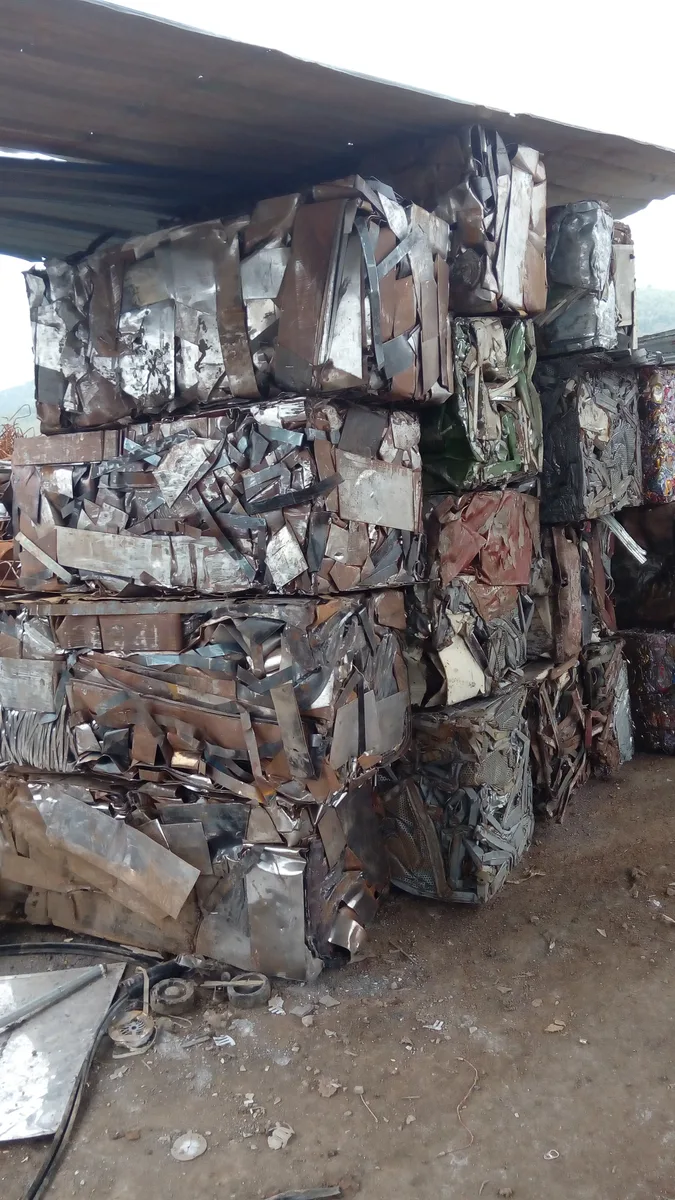
Light-Gauge Ferrous Scrap Baling
Practical sorting, preparation and equipment-selection guidance for light-gauge ferrous scrap, supported by representative material photos.
Read application guide ↗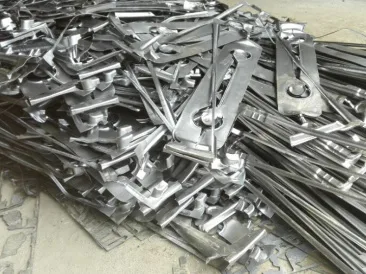
Stamping Steel Scrap Baling & Recycling
Practical sorting, preparation and equipment-selection guidance for stamping steel scrap, supported by representative material photos.
Read application guide ↗07 / QUESTIONS & SUPPORT
Product questions,
answered.
Delivery, Service & FAQ
Delivery scope, technical support and frequently asked questions.
What material should be submitted for a suitability check?
Send photographs, material grade, thickness, maximum piece dimensions and daily tonnage. Sort ferrous and non-ferrous grades before feeding. Review the largest piece, wall thickness and contamination level; the hopper opening alone does not establish the machine’s cutting capability.
Does the large hopper accept every oversized item?
No. Confirm the feeding envelope and cutting capability for the selected configuration. Pre-cutting may be needed for long or rigid pieces.
Which pressure and power apply to this product?
The table shows HBW series ranges from the supplied sheet. A specific force, motor and chamber combination must be agreed for the selected model.
Is the stated throughput guaranteed for every scrap mix?
No. Feeding time, density, geometry and discharge arrangements affect actual production. Test representative scrap before setting an output target.
Can loading and controls be configured for our workshop?
The sheet lists conveyor, mobile-bin and forklift feeding arrangements, PLC automatic control and automatic/manual options. Confirm compatibility with your site and operating procedure.
How do I request a quotation?
Use the contact form to provide material details, voltage and required bale format, or compare the Metal Balers range.
Equipment Recommendation
Tell Us About Your Material and Capacity
Share the key operating conditions below so our team can compare suitable equipment and prepare a practical configuration.
✓ Material & Capacity Review✓ Configuration Recommendation✓ Pricing & Lead-Time Inquiry