
Hopper-fed layout: plan batch feeding around the shape and handling behaviour of the scrap.
Metal Balers
Scrap Metal Baler Shear for Automotive Stampings
HBW Series | Controlled feeding and hydraulic scrap preparation
HBW hopper-fed hydraulic baler shear for automotive stampings. Automotive press shops generate irregular stampings, trim pieces and thin sheet offcuts. Keeping these production scrap streams separated helps recyclers prepare consistent feedstock and avoid mixing different steel grades.
Hydraulic driveHorizontal layoutPLC controlMaterial-specific configuration
Suitable materials
PRODUCT VIDEO
Scrap Metal Baler Shear for Automotive Stampings video
01 / PRODUCT DESCRIPTION
Product Overview
Purpose, machine structure and its role in the recycling process.
Scrap Metal Baler Shear for Automotive Stampings is an HBW-series equipment option for preparing automotive stampings for recycling. Automotive press shops generate irregular stampings, trim pieces and thin sheet offcuts. Keeping these production scrap streams separated helps recyclers prepare consistent feedstock and avoid mixing different steel grades.
The large-hopper arrangement brings feeding, scrap preparation and hydraulic compaction into a single work station. The practical aim is to convert loose scrap into manageable output for storage, loading and subsequent processing. Actual output depends on the selected machine, incoming material and feeding continuity.
Before selecting a model, compare daily scrap volume, maximum piece dimensions, material strength, required bale size and the receiving recycler or steelworks specification. Layout planning should also allow for loading access, bale collection and maintenance clearance.
Compare the HBW Hopper Type Shear Baler and the full hopper shear baler range, or send material photographs for a configuration review.
Large-Hopper Baler Shear for Sheet Metal Skeletons is an HBW-series equipment option for preparing sheet metal skeletons for recycling. Perforated skeletons left after blanking and laser cutting can interlock and occupy a large storage volume. Feed size, web thickness and the tendency of sheets to bridge across the hopper are key selection factors.
The large-hopper arrangement brings feeding, scrap preparation and hydraulic compaction into a single work station. The practical aim is to convert loose scrap into manageable output for storage, loading and subsequent processing. Actual output depends on the selected machine, incoming material and feeding continuity.
Before selecting a model, compare daily scrap volume, maximum piece dimensions, material strength, required bale size and the receiving recycler or steelworks specification. Layout planning should also allow for loading access, bale collection and maintenance clearance.
Compare the HBW Hopper Type Shear Baler and the full hopper shear baler range, or send material photographs for a configuration review.
02 / MATERIALS & OUTPUT
Applications & Materials
Suitable scrap materials, industries and operating scenarios.
Confirm whether the feed contains conventional mild steel or high-strength automotive grades. Share the maximum section thickness and formed-part dimensions; suitability cannot be judged from the overall size alone.
Keep the incoming scrap grade identified and confirm the required output format with the receiving processor. Representative stamping and light-gauge ferrous scrap photographs below illustrate material types; they are not a guarantee that every thickness or geometry is suitable.
Separate sheet skeletons by alloy and thickness. Cut oversized frames before loading and present material in manageable batches rather than pushing an entire tangled pile into the hopper.
Keep the incoming scrap grade identified and confirm the required output format with the receiving processor. Representative stamping and light-gauge ferrous scrap photographs below illustrate material types; they are not a guarantee that every thickness or geometry is suitable.
Can this machine process automotive stampings?
It is a candidate for this scrap stream, subject to confirmation of dimensions, thickness and grade. Confirm whether the feed contains conventional mild steel or high-strength automotive grades. Share the maximum section thickness and formed-part dimensions; suitability cannot be judged from the overall size alone.
Does the large hopper remove the need for preparation?
No. Oversized or tangled material may require cutting or controlled feeding. Confirm the permissible feed dimensions before selecting upstream handling equipment.
What capacity and bale size should I specify?
Provide the required tonnes per shift, available operating hours and receiving processor specifications. Final capacity and bale dimensions must be matched to a selected model and representative material.
Which electrical supply is available?
The reference sheet lists 220–660 V and 50/60 Hz. The delivered machine is configured for the agreed supply; confirm your site voltage, frequency and available power before manufacture.
What information is needed for a quotation?
Send photographs, maximum dimensions, material grade, daily tonnage, target output and site layout through our contact page. Compare related equipment in the hopper shear baler category.
03 / STRUCTURE & FEATURES
Equipment features.
Features & Benefits
Operational advantages and configuration benefits for buyers.
Hydraulic operation: coordinate compaction with the selected shearing arrangement and confirmed feed envelope.
PLC control: use the specified automatic sequence and manual operating mode according to the machine instructions.
Material-specific configuration: select press force, power and bale dimensions together rather than choosing on hopper appearance alone.
Maintenance planning: provide access for checking hydraulic connections, guards and wear components.
Benefits must be assessed against the current handling process. No fixed density, energy-saving percentage or production rate is promised without material testing.
05 / TECHNICAL REFERENCE
Technical Parameters
Key selection data and model-dependent specification ranges.
HBW series reference configuration from the supplied specification sheet. These are selection references, not a model-specific performance guarantee.
| Parameter | Reference specification |
|---|---|
| Drive | Hydraulic |
| Machine arrangement | Horizontal |
| Working pressure | 21.5 MPa |
| Control | PLC automatic control; automatic/manual operation |
| Supply voltage | 220–660 V, configured for the installation |
| Supply frequency | 50/60 Hz, configured for the installation |
Press force, motor power, chamber dimensions, bale dimensions and throughput depend on the selected model and material trial. Confirm these values in the technical proposal before ordering.
06 / SOLUTIONS & CUSTOMER CASES
Plan the complete process.
RELATED NEWS
News & buying guides
APPLICATIONS
Material preparation guides
These are related material guides. Follow each guide’s feedstock limits; a related material is not automatically approved for every machine configuration.
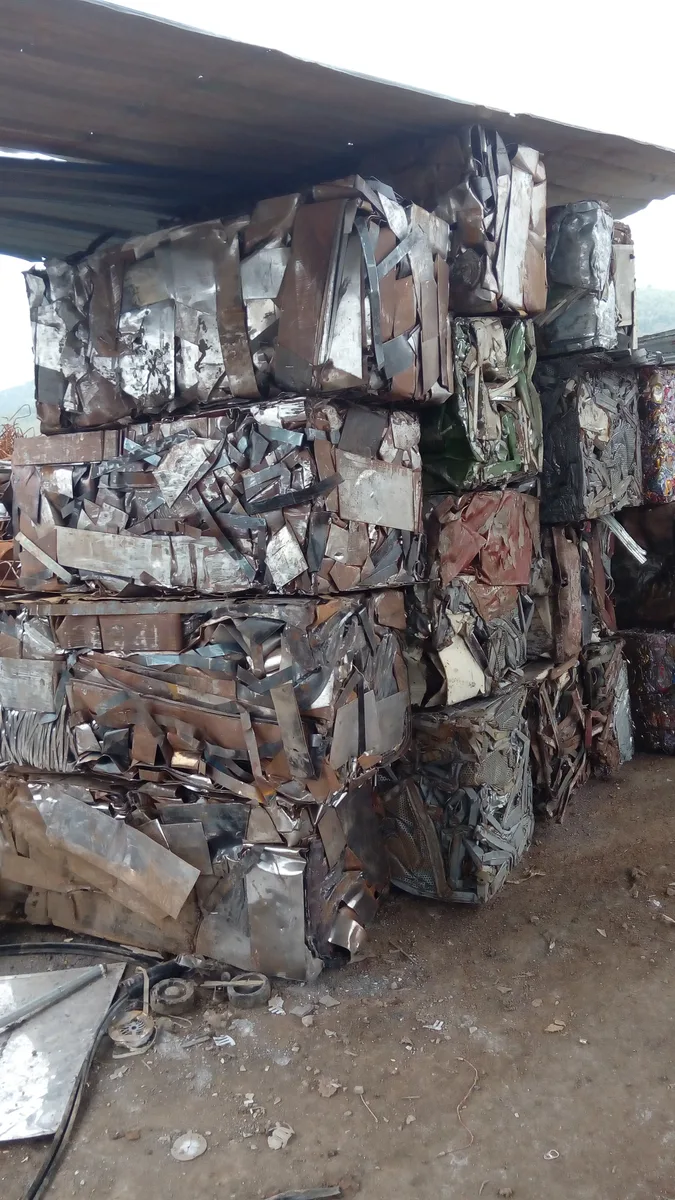
Light-Gauge Ferrous Scrap Baling
Practical sorting, preparation and equipment-selection guidance for light-gauge ferrous scrap, supported by representative material photos.
Read application guide ↗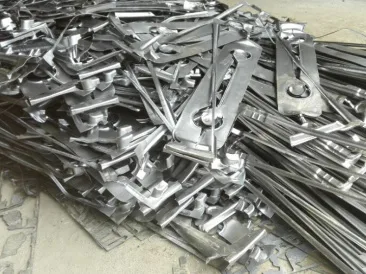
Stamping Steel Scrap Baling & Recycling
Practical sorting, preparation and equipment-selection guidance for stamping steel scrap, supported by representative material photos.
Read application guide ↗07 / QUESTIONS & SUPPORT
Product questions,
answered.
Delivery, Service & FAQ
Delivery scope, technical support and frequently asked questions.
Can this machine process sheet metal skeletons?
It is a candidate for this scrap stream, subject to confirmation of dimensions, thickness and grade. Separate sheet skeletons by alloy and thickness. Cut oversized frames before loading and present material in manageable batches rather than pushing an entire tangled pile into the hopper.
Does the large hopper remove the need for preparation?
No. Oversized or tangled material may require cutting or controlled feeding. Confirm the permissible feed dimensions before selecting upstream handling equipment.
What capacity and bale size should I specify?
Provide the required tonnes per shift, available operating hours and receiving processor specifications. Final capacity and bale dimensions must be matched to a selected model and representative material.
Which electrical supply is available?
The reference sheet lists 220–660 V and 50/60 Hz. The delivered machine is configured for the agreed supply; confirm your site voltage, frequency and available power before manufacture.
What information is needed for a quotation?
Send photographs, maximum dimensions, material grade, daily tonnage, target output and site layout through our contact page. Compare related equipment in the hopper shear baler category.
Equipment Recommendation
Tell Us About Your Material and Capacity
Share the key operating conditions below so our team can compare suitable equipment and prepare a practical configuration.
✓ Material & Capacity Review✓ Configuration Recommendation✓ Pricing & Lead-Time Inquiry