
Metal Balers
Side Turn-Out Scrap Metal Baler Price and Specifications
Request a quotation with a defined configuration, scope, and acceptance basis.
Build a comparable quotation for an HBF side turn-out scrap metal baler by defining the supplied configuration and the work required at your site. This price and specifications guide explains how to separate standard equipment, optional controls, installation responsibilities, wear components, and acceptance requirements. No fixed machine price is stated. Ask the supplier to quote the selected model against your scrap description, electrical information, layout, and delivery destination. A written scope makes it easier to compare offers and identify missing items before an equipment purchase is approved.
PRODUCT VIDEO
Side Turn-Out Scrap Metal Baler Price and Specifications video
01 / PRODUCT DESCRIPTION
Build a Useful Price Inquiry
Purpose, machine structure and its role in the recycling process.
Side Turn-Out Scrap Metal Baler Price and Specifications
A useful Side Turn-Out Scrap Metal Baler Price and Specifications inquiry begins with a defined application. Two quotations carrying the same product-family name can cover different equipment, options, services, and delivery responsibilities. Compare the written scope before comparing totals, and ask for clarification wherever an item is described only as standard or included.
This page supports quotation preparation for the HBF series; it does not provide a fixed price or a binding offer. Use the HBF side turn-out scrap metal baler reference to identify the product family, then supply your material description and site requirements. Request a model-specific technical proposal so the commercial offer can be checked against the machine you actually need.
02 / MATERIALS & OUTPUT
Describe the Scrap Before Pricing
Suitable scrap materials, industries and operating scenarios.
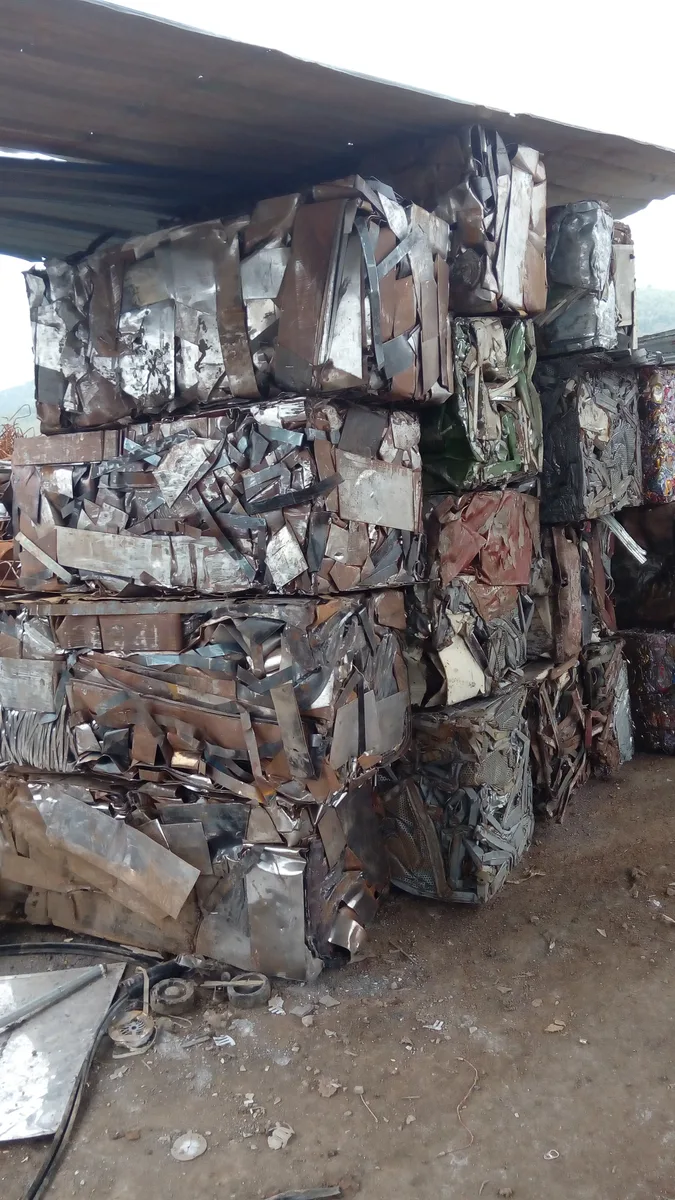
Describe the metal grades, common piece shapes, largest proposed pieces, and contamination condition. State whether the supply is stable or changes between batches. Photographs can support the inquiry, but they should not replace dimensions or a clear explanation of difficult material.
Tell the supplier how scrap will reach the loading point and how finished bales will be removed. Ask for confirmation of material suitability before accepting the machine selection. Exclude batteries, sealed containers, pressurized items, and other prohibited material through an approved sorting procedure. If cleaning, separation, or preparation is needed before baling, keep that work visible in the project scope so it is not mistaken for an included machine function.
03 / STRUCTURE & FEATURES
Equipment features.
Configuration Choices to Separate
Operational advantages and configuration benefits for buyers.
Control configuration is one item to separate clearly. Ask whether the offer is based on PLC or manual control and what operator actions remain part of the approved process. HBF semi-automatic operation may be discussed for the proposed configuration, but it should not be interpreted as automatic loading or unattended operation.
Remote control is optional and should appear as an explicit included or excluded item. The interchangeable wear plate arrangement also merits a service discussion: ask which components are replaceable, what access is required, and how replacement parts are identified. The three-ram and horizontal-layout descriptions help identify the offered arrangement, but do not substitute for a complete model drawing or an application review.
05 / TECHNICAL REFERENCE
Selected Specification Checklist
Key selection data and model-dependent specification ranges.
Use these attributes as a comparison checklist rather than a complete order specification. Require each supplier response to identify the actual offered model and explain any difference from the requested arrangement.
Remote control: Optional; confirm inclusion in the quotation.
Ram configuration: Three rams.
Wear plate arrangement: Interchangeable wear plates.
Control configuration: PLC or manual control, configured to order.
Machine layout: Horizontal.
Request a separate model-specific data sheet for dimensions, utilities, interfaces, and the installation requirements relevant to your site. Where performance matters, ask how it will be demonstrated using the proposed scrap. Do not fill missing entries with figures copied from another model or a different material trial.
Compare Offers and Plan Ownership
Practical guidance for safe operation and routine maintenance.
Prepare a quotation schedule with separate lines for the machine, selected options, delivery, installation-related work, commissioning support, training, and any agreed initial spare parts. Ask the supplier to mark each line as included, excluded, or separately priced. This avoids assuming that an attractive equipment total covers every step needed before operation.
Confirm the delivery destination and the quoted delivery basis. Ask what unloading equipment, site access, foundation preparation, and electrical work the buyer must arrange. Request the applicable payment terms, quotation validity, warranty scope, and proposed schedule in writing. Those commercial details should come from the current offer rather than be inferred from a general product description.
Define acceptance before ordering. Agree on representative scrap, the operating configuration, the checks to be witnessed, and the documentation to be supplied. If a claim matters to the purchase, ask for a clear test method and written acceptance condition. Keep marketing descriptions separate from obligations that the supplier has actually accepted.
For ownership planning, ask for the maintenance manual, parts identification, recommended inspection tasks, and service contact process. Clarify how interchangeable wear plates are inspected and replaced under the approved isolation procedure. Request a recommended spare-parts list without assuming free supply or a fixed service response. Compare the practical maintenance access and site responsibilities alongside the quoted purchase price.
The related turn-out case is a layout and workflow reference, not proof of a trial with your feedstock or this proposed configuration.
06 / SOLUTIONS & CUSTOMER CASES
Plan the complete process.
RELATED NEWS
News & buying guides
CUSTOMER CASES
Related project references
Each reference identifies its own equipment and project scope; it is not a test record for every material on this product page.

APPLICATIONS
Material preparation guides
These are related material guides. Follow each guide’s feedstock limits; a related material is not automatically approved for every machine configuration.
07 / QUESTIONS & SUPPORT
Product questions,
answered.
Price and Specification Questions
Delivery scope, technical support and frequently asked questions.
What is the price of this side turn-out baler?
No fixed price is published here. Request a current quotation for the selected model, material application, options, and delivery destination, with the supplied scope and any exclusions stated clearly.
What should I send with a quotation request?
Send the scrap description, representative images and dimensions, intended handling method, site layout, electrical information, and receiving requirements. Identify any acceptance test or documentation that the purchase depends on.
Is remote control part of the quoted base machine?
It is listed as optional, so inclusion must be confirmed in the offer. Ask the supplier to identify the control arrangement and any option cost rather than assuming it is part of every configuration.
How should two offers be compared?
Align the material application, offered configuration, delivery basis, options, site responsibilities, and acceptance conditions. Resolve omissions before comparing totals, because different scopes can make apparently similar prices misleading.
Are wear parts and maintenance services included?
Do not assume they are. Ask for a written list of supplied parts, recommended spares, service responsibilities, and warranty exclusions. Interchangeable wear plates describe an arrangement, not a free replacement commitment.
Can I order from the series description alone?
A model-specific proposal is the better basis. Confirm the selected configuration, site requirements, and agreed acceptance checks before ordering, and retain the approved technical and commercial documents together.
Equipment Recommendation
Tell Us About Your Material and Capacity
Share the key operating conditions below so our team can compare suitable equipment and prepare a practical configuration.