
Metal Balers
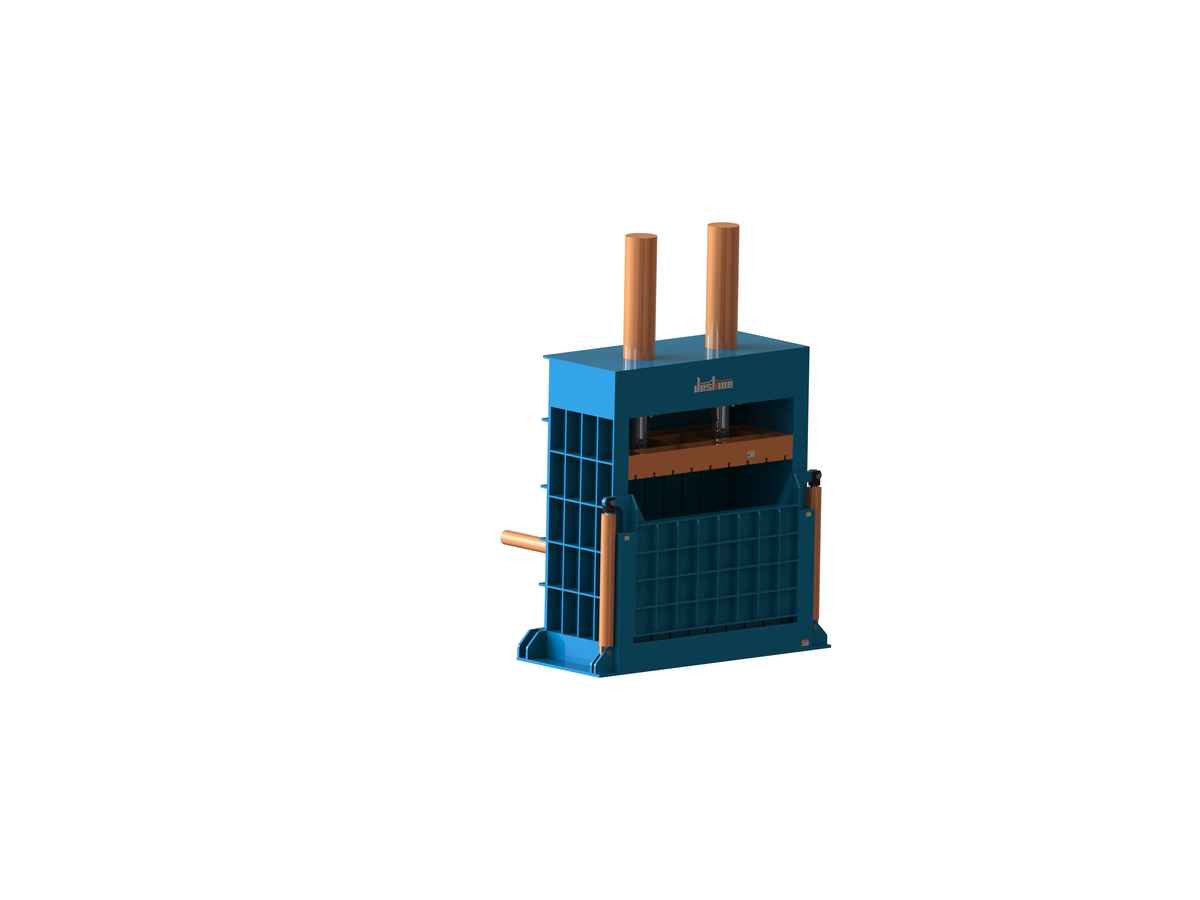
VBT Vertical Metal Baler
Space-saving hydraulic compaction for light metal scrap and production offcuts
The VBT vertical metal baler compresses light ferrous and non-ferrous scrap into compact bales while using a small floor footprint. Its hydraulic drive, twin-cylinder pressing structure and PLC automatic or manual control suit recycling stations, fabrication shops and manufacturing plants handling sheet offcuts, cans, profiles, wire and other prepared light metal scrap.
100–315 t configurable hydraulic force0.5–5 t/h series capacity22–135 kW motor rangePLC automatic or manual control
Suitable materials
PRODUCT VIDEO
VBT Vertical Metal Baler video
01 / PRODUCT DESCRIPTION
VBT Vertical Baler Overview
Compact loose scrap in a space-efficient vertical layout.
VBT Vertical Metal Baler: Specifications and Applications
A concise guide to VBT vertical baler performance, suitable scrap, operation and project selection.
The VBT is a vertical hydraulic baler for reducing the volume of prepared light metal scrap. Its upright structure concentrates the pressing system above the chamber, helping plants add baling capacity where floor space is limited.
02 / MATERIALS & OUTPUT
Suitable Scrap Materials
Typical feedstock and recycling objectives.
The VBT series is intended for prepared light ferrous and non-ferrous scrap that can be loaded safely into the vertical chamber.
Typical material Processing objective
- Aluminium cans, sheet and profiles
- Reduce loose volume for storage and transport
- Light steel sheet and stamping offcuts
- Create compact, manageable bales
- Copper and brass offcuts
- Improve segregation and shipment of valuable scrap
- Wire, thin-wall tube and production trim
- Prepare a consistent recycling feed
Oversized, springy, contaminated or mixed scrap should be reviewed before selection. Send photos, dimensions and bulk-density information so the chamber and force can be matched to the actual feed.
03 / STRUCTURE & FEATURES
Equipment features.
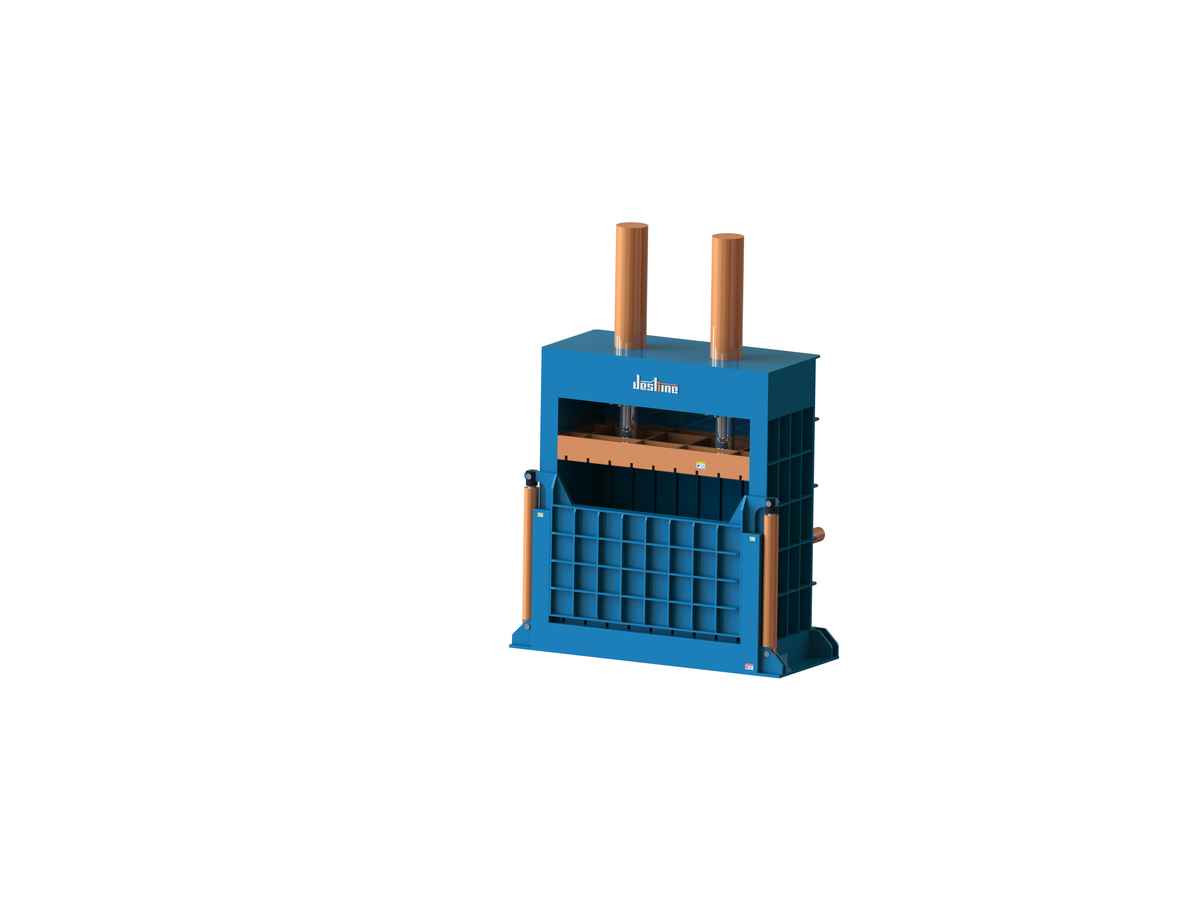
Hydraulic drive with PLC automatic or manual control
Front-loading chamber for straightforward material handling
Configurable electrical supply, controls and safety arrangement
04 / WORKING PRINCIPLE
Vertical Baling Process
A clear hydraulic compaction cycle.
Load:
Place prepared scrap in the front chamber using the approved loading method.
Close and secure:
Confirm the chamber door, guards and interlocks are in the operating position.
Compress:
The hydraulic cylinders drive the platen downward to reduce material volume.
Tie and remove:
Secure the finished bale using the specified method, release pressure and remove it according to the operating procedure.
PLC automatic control supports repeatable operation, while manual mode assists setup and service. Operators must follow the approved safety procedure and inspect the chamber, door, cylinders, hydraulic hoses, sensors and controls routinely.
05 / TECHNICAL REFERENCE
Technical Specifications
Configurable ranges from the supplied VBT BASIC data.
The following figures are configurable VBT series reference ranges from the supplied BASIC information. Final force, capacity, motor power and chamber dimensions depend on the scrap, bale target and operating conditions.
| Parameter | VBT series reference |
|---|---|
| Drive | Hydraulic |
| Hydraulic force | 100–315 t |
| Working pressure | 21.5 MPa |
| Series productivity | 0.5–5 t/h |
| Motor power | 22–135 kW |
| Control | PLC automatic or manual |
| Power supply | 220–660 V, 3-phase, 50/60 Hz; project-specific |
| Primary structure | Q235B steel with replaceable wear components where specified |
| Cooling option | Water cooling or industrial chiller |
| Warranty | 12 months under the agreed contract terms |
Guaranteed output is confirmed only after Dershan reviews representative material data and the selected machine configuration.
Configuration & Selection
Information needed before model confirmation.
Provide these project details for a practical VBT recommendation:
Scrap type, clear photos, maximum piece size and bulk density
Hourly or shift volume and daily operating hours
Target bale dimensions, weight and downstream handling method
Available floor area, ceiling height and loading route
Site voltage, frequency, ambient temperature and cooling preference
Dershan uses this information to confirm hydraulic force, chamber size, motor, pump, controls, cooling and safety configuration. Material testing is recommended when the feed changes significantly.
06 / SOLUTIONS & CUSTOMER CASES
Plan the complete process.
CUSTOMER CASES
Related project references.
Each reference identifies its own equipment and project scope.

Brazil Metal Baler Project
100-Ton Turn-Out Aluminum Can Baler in Brazil
A compact first hydraulic baler for aluminum cans and growing collection volumes.
Read project details ↗07 / QUESTIONS & SUPPORT
Product questions,
answered.
Service & VBT Baler FAQ
Buyer questions, delivery support and next steps.
When does a VBT vertical baler suit a small scrap-handling area?
The VBT uses a front-loading chamber and twin-cylinder vertical pressing structure, making it an option where floor area is limited. Check ceiling height, front loading access and the route for removing finished bales as well as the base footprint. Its suitability still depends on the scrap, chamber dimensions and approved bale-securing and removal method.
Can the VBT handle cans, light sheet and wire in the same way?
These are material groups to assess, not interchangeable feed conditions. Light sheet, cans, wire, profiles and thin-wall tube differ in piece size, bulk density and springback. Keep grades separated when required downstream, and provide examples of the most awkward pieces. Mixed, oversized or springy scrap should be reviewed before the chamber and force are selected.
How can we verify VBT shift capacity rather than just press speed?
Include front loading, any repeat charging, compression, bale securing and removal in the production assessment. The published series output is not a guarantee for your material. A trial should measure accepted bale mass over an agreed elapsed period with the intended handling method, then compare that result with your shift volume and actual operating hours.
What bale information should be agreed before choosing a VBT?
Specify the receiving recycler's requirements and the equipment that will lift, store and transport the bale. Confirm dimensions, weight and the securing method for the selected material. A compact-looking bale is not sufficient evidence of suitability; check that it stays manageable during the agreed handling process and matches the buyer's acceptance requirements.
Which VBT components need planned maintenance checks?
Pay particular attention to the front chamber door, guards and interlocks, pressing structure, hydraulic cylinders and hoses, sensors and controls. The manufacturer's manual should define inspection and service intervals for the selected machine. Qualified personnel must isolate energy sources and follow the prescribed stored-energy procedure before chamber access, cleaning or maintenance.
Does automatic VBT control also automate loading and bale removal?
No. PLC automatic or manual control describes the specified machine controls; it does not establish an automated material-handling line. Confirm how scrap reaches the front chamber, how the bale is secured and how it is removed. The quotation and layout should identify included handling equipment and the operator tasks used to calculate production.
What should a VBT trial show for our light scrap?
Test representative material, including the lowest-density or most springy feed expected in normal production. Record charge preparation, bale dimensions and weight, securing requirements and the complete loading-to-removal time. Assess bale condition during the agreed handling method. Confirm which material variations are covered and which would require another assessment before changing the feed.
Equipment Recommendation
Tell Us About Your Material and Capacity
Share the key operating conditions below so our team can compare suitable equipment and prepare a practical configuration.
✓ Material & Capacity Review✓ Configuration Recommendation✓ Pricing & Lead-Time Inquiry