
Metal Balers
Front-Out HBQ Baler for Aluminum Profile Cutting Scrap
Assess HBQ front-out baling for short aluminum profile offcuts, including section shape, nested pieces, alloy separation and collection-space planning.
PRODUCT VIDEO
Front-Out HBQ Baler for Aluminum Profile Cutting Scrap video
01 / PRODUCT DESCRIPTION
Product Overview
Purpose, machine structure and its role in the recycling process.
A Front-Out Baling Assessment for Profile Cutting Scrap
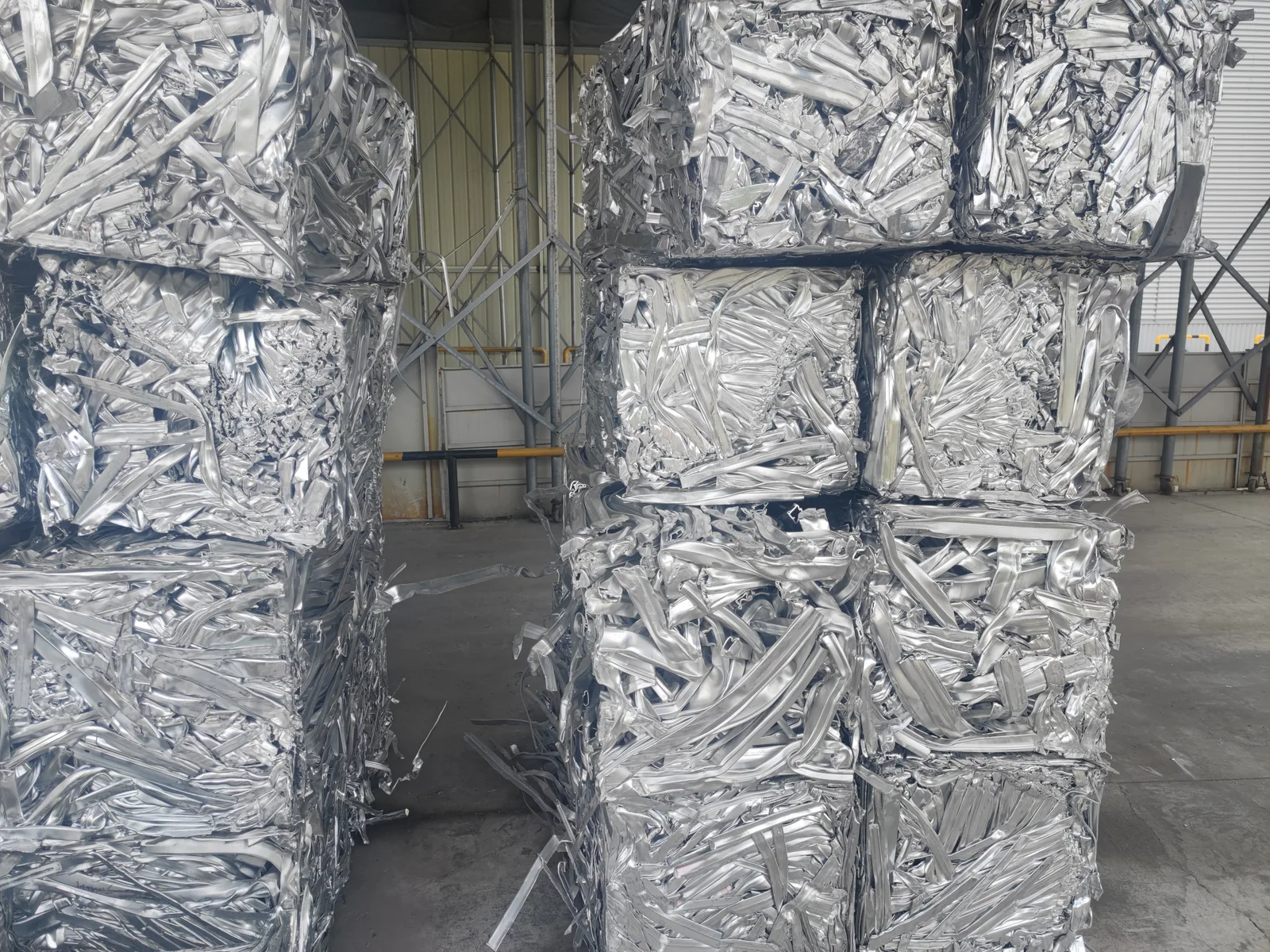
Saw-cut aluminum profiles create a different handling problem from loose sheet. Short hollow sections, channels and solid-ended offcuts can nest together, retain sharp burrs and form uneven loads. This Front-Out HBQ Baler page focuses on prepared profile cutting scrap and the checks a fabricator should make before committing to a machine. It does not claim that every extrusion section or wall thickness is suitable.
Forward bale discharge provides a defined handover point between compression and collection. Its value should be considered alongside the cutting shop’s bin system, loading method and scrap buyer’s acceptance rules. A suitable project starts with a representative selection of the profiles actually cut on site, including the most difficult shapes rather than only the easiest pieces.
For broader machine context, see the HBQ front-discharge baler overview. Review this page’s material-specific preparation requirements separately; the general overview does not establish suitability for every scrap load.
02 / MATERIALS & OUTPUT
Applications & Materials
Suitable scrap materials, industries and operating scenarios.
Characterize Sections Before Loading
List the alloy grades, wall thicknesses, section dimensions and cut lengths of the offcuts. Hollow boxes, open channels and complex extrusions should be identified separately because their geometry affects how they nest and occupy the chamber. Remove steel screws, brackets, plastic inserts, rubber seals and other attachments where required by the agreed material specification. Baling is not a substitute for dismantling or sorting.
Exclude complete assemblies and long lengths that exceed the reviewed loading envelope. Do not assume that a hollow cross-section makes a heavy profile light-duty scrap. Sections with thick walls or dense reinforcing features need separate assessment. Identify any coolant, oil, paint or surface treatment and agree its handling with the recycler and supplier. Keep the work area free of loose sharp fragments that could fall from bins during transport.
03 / STRUCTURE & FEATURES
Equipment features.
Features & Benefits
Operational advantages and configuration benefits for buyers.
Why Geometry and Handling Matter More Than a Generic Rating
Hydraulic compression can consolidate compatible prepared offcuts into a form that is easier to stage and collect. For profile scrap, the useful question is how consistently the actual sections enter the chamber and form a handleable bale. A catalogue force or motor range does not determine performance for an unknown mixture of hollow and heavy sections.
The horizontal HBQ series arrangement offers a layout to assess against existing saw-line collection bins. Forward discharge may support a straightforward collection route when sufficient clearance is reserved. The installation still requires access around the machine for inspection and service, plus controlled separation between personnel and handling equipment. Confirm the complete working envelope rather than measuring the machine body alone.
Loading can be discussed as a manual or grabber arrangement using the supplied series information. The right selection depends on piece weight, sharpness, bin design and the workplace risk assessment. Manual loading must not be interpreted as permission to push or rearrange scrap within a moving or energized chamber. A remote-control option changes the operating position only when it is part of the confirmed configuration; it does not establish autonomous operation.
Wear plate selection and serviceability should be reviewed against repeated contact from profile ends and edges. Confirm the wear material actually supplied, inspection points and replacement procedure. Ask for a maintenance plan tied to the delivered configuration, not an assumed schedule copied from another model.
04 / WORKING PRINCIPLE
Operation & Maintenance
Practical guidance for safe operation and routine maintenance.
From Sample Assessment to Repeatable Batch Handling
Prepare a sample list containing common sections and occasional difficult pieces. Record their dimensions, surface condition and expected proportion in the load. Ask the supplier to state whether any sections require further cutting or separation. Keep those preparation rules available at the saw-line collection point so incompatible pieces do not reach the machine by accident.
Plan collection bins that retain short offcuts during movement and permit controlled loading. Do not overload bins or depend on operators reaching through sharp scrap to clear a jam. Follow the supplied operating procedure and keep the forward collection zone clear. Any obstruction investigation requires a controlled stop and isolation procedure, including stored hydraulic energy precautions.
Acceptance should verify the proposed material mix, discharge behavior and practical bale handling. Record conditions rather than treating one sample result as proof for all extrusion shapes. Check that loose ends or projecting pieces do not defeat the planned collection method. Maintain batch labels where alloy separation matters, and inspect the machine regularly for leaks, damaged hoses, loose connections and wear according to the delivered maintenance instructions.
Related front-discharge aluminum project reference only; not evidence of this HBQ configuration, sheet/profile sample or specified capacity.
Front-Out Baler Reference Video: equipment/process reference only, not a test of this profile feed or configuration.
05 / TECHNICAL REFERENCE
Technical Parameters
Key selection data and model-dependent specification ranges.
Six mechanical reference attributes
The following six attributes are selected from the supplied HBQ series sheet. They describe series references or available arrangements, not a certified combination for one finished machine. Confirm the selected model, electrical requirements, chamber dimensions and loading arrangement before ordering. A listed option is not an automatic inclusion in the supply scope.
Steel plate material: Q235B
Machine arrangement: Horizontal
Wear plate serviceability: Interchangeable wear steel plate
Wear plate option: NM450 or Hardox450, subject to configuration confirmation
Feeding method: Grabber or manual, according to the selected loading arrangement
Ram arrangement: Three rams
A purchase specification should identify the incoming scrap dimensions and condition, required bale handling method and actual site utilities. Do not infer throughput, bale weight or achievable density from these six attributes. Request a configuration-specific quotation and an acceptance check using representative material, with the test conditions recorded.
06 / SOLUTIONS & CUSTOMER CASES
Plan the complete process.
RELATED NEWS
News & buying guides
Buying a Scrap Metal Baler: What to Include in Your RFQ
A useful scrap metal baler quotation starts with representative scrap, the buyer’s bale specification and a complete handling plan. Use this checklist to compare proposals on the same basis.
Read details ↗Front-Out vs. Side-Push Metal Balers: Which Fits Your Scrap Yard?
The direction a bale leaves the machine can shape your entire handling route. Compare front and side discharge before committing valuable yard space.
Read details ↗CUSTOMER CASES
Related project references
Each reference identifies its own equipment and project scope; it is not a test record for every material on this product page.

APPLICATIONS
Material preparation guides
These are related material guides. Follow each guide’s feedstock limits; a related material is not automatically approved for every machine configuration.
07 / QUESTIONS & SUPPORT
Product questions,
answered.
Delivery, Service & FAQ
Delivery scope, technical support and frequently asked questions.
Frequently Asked Questions
Can hollow aluminum profiles be baled without preparation?
Only if their dimensions, wall thickness and condition suit the selected configuration. Hollow shapes still need assessment; some sections may require cutting or segregation.
Can window-frame assemblies be loaded as they are?
This page covers prepared cutting offcuts, not complete assemblies. Hardware, seals, inserts and other non-aluminum parts require an agreed removal and sorting process.
Why are maximum cut lengths important?
Long or awkward pieces can bridge or protrude during loading. The supplier needs the largest expected pieces, not just an average length, to review the feed envelope.
Is a grabber mandatory for profile scrap?
No single loading arrangement is prescribed. Choose an approved method based on the scrap, bin design and site risk assessment, then confirm it in the supply specification.
Will the machine produce identical bales from every section?
That is not established. Section geometry and the mix of pieces affect the result. Use representative material and configuration-specific acceptance criteria.
What should a purchase enquiry include?
Provide alloy grades, section drawings or photos, wall thicknesses, cut lengths, contamination details, loading plans and the intended collection route. These support an informed configuration review.
Equipment Recommendation
Tell Us About Your Material and Capacity
Share the key operating conditions below so our team can compare suitable equipment and prepare a practical configuration.