
Metal Balers
Front-Out HBQ Baler for Aluminum Sheet Production Offcuts
Plan HBQ front-out baling for aluminum sheet offcuts, with alloy segregation, scrap preparation, loading checks and practical bale acceptance criteria.
PRODUCT VIDEO
Front-Out HBQ Baler for Aluminum Sheet Production Offcuts video
01 / PRODUCT DESCRIPTION
Product Overview
Purpose, machine structure and its role in the recycling process.
Aluminum Sheet Offcuts: A Controlled Route from Cutting to Collection
Aluminum sheet production generates edge strips, irregular skeletons and short offcuts that can occupy substantial storage space even when their metal weight is modest. This Front-Out HBQ Baler is presented for assessing prepared light aluminum sheet scrap, with particular attention to the route from cutting stations to a clearly defined bale collection area. It is not a recommendation to feed every sheet remnant without checking its thickness, shape and dimensions.
The front-out arrangement directs the finished bale toward a collection position ahead of the machine. Planning that position together with the incoming scrap route helps a buyer assess whether the installation fits the workshop. Suitability depends on the actual scrap mix, chosen chamber and hydraulic configuration. A representative material review is more useful than selecting a machine from a general power range alone.
For broader machine context, see the HBQ front-discharge baler overview. Review this page’s material-specific preparation requirements separately; the general overview does not establish suitability for every scrap load.
02 / MATERIALS & OUTPUT
Applications & Materials
Suitable scrap materials, industries and operating scenarios.
Prepare Sheet Scrap by Alloy, Condition and Shape
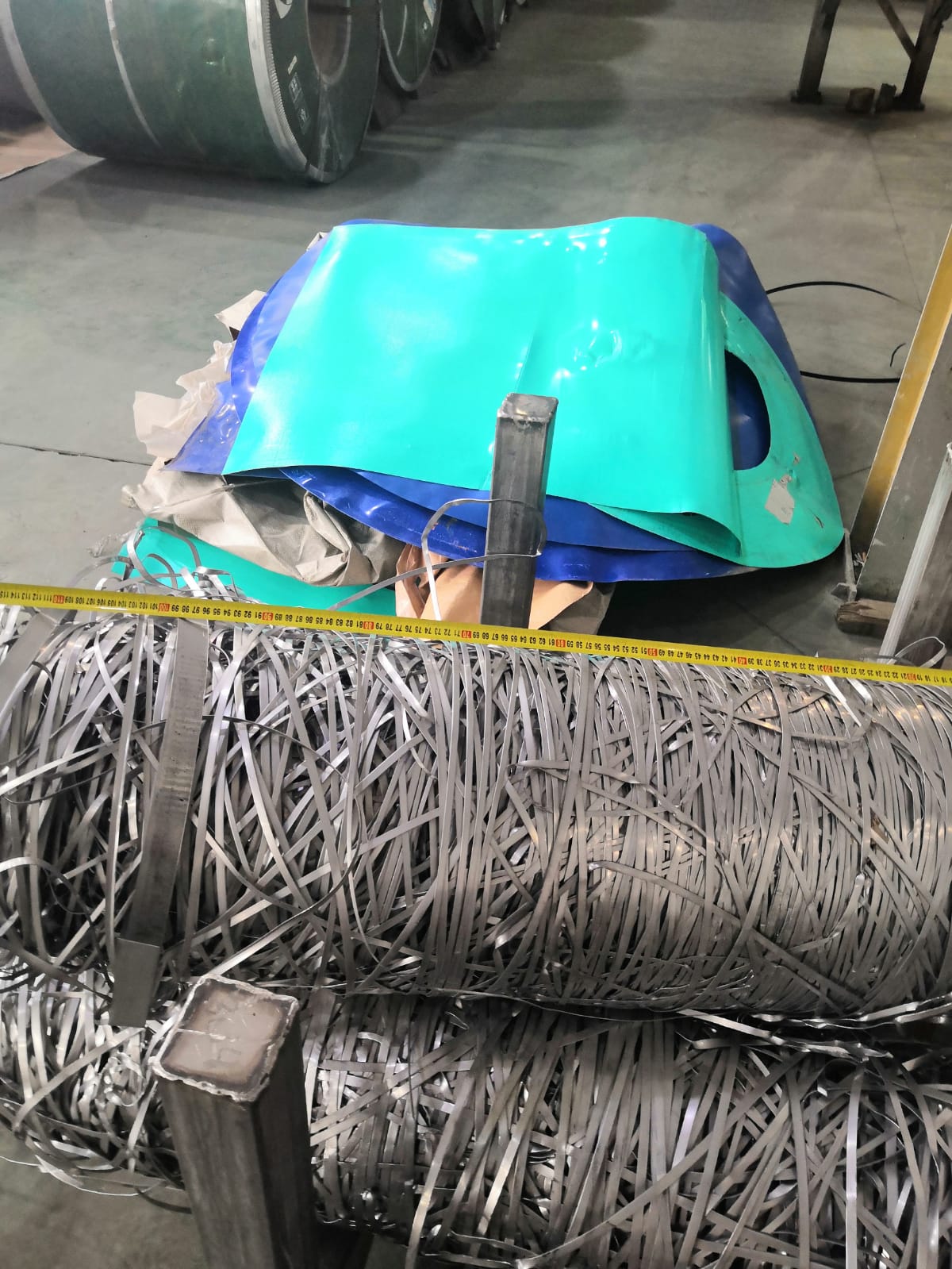
Keep aluminum alloys separate when the recycling route requires grade identification. Use dedicated bins or clear batch labels at the cutting line, and avoid allowing steel fasteners, tooling fragments or unrelated sweepings to enter the load. Painted, laminated, adhesive-backed or oily sheet requires a separate discussion with the receiving recycler and equipment supplier. Baling does not remove coatings, liquids or contamination.
Measure the longest and widest offcuts, not just their average size. Large sheet skeletons can bridge across an opening, while long edge strips may tangle with neighboring pieces. Agree any cutting, folding or other preparation with the supplier before loading. Do not force protruding pieces into the chamber by hand or use hydraulic pressure to compensate for an unsuitable feed shape. Sharp edges require a documented handling method and appropriate protective equipment.
03 / STRUCTURE & FEATURES
Equipment features.
Features & Benefits
Operational advantages and configuration benefits for buyers.
Features and Practical Benefits for a Sheet-Cutting Workshop
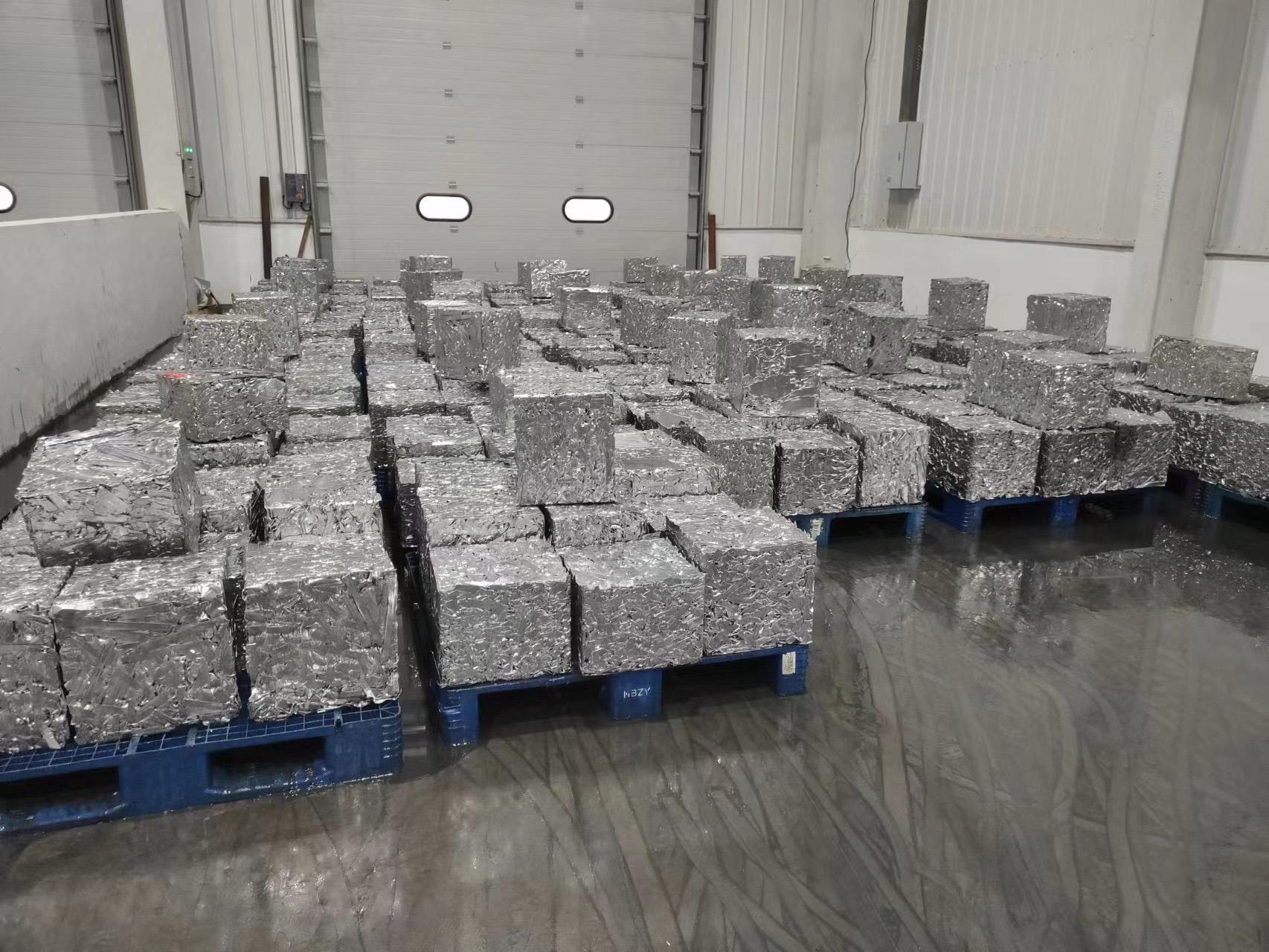
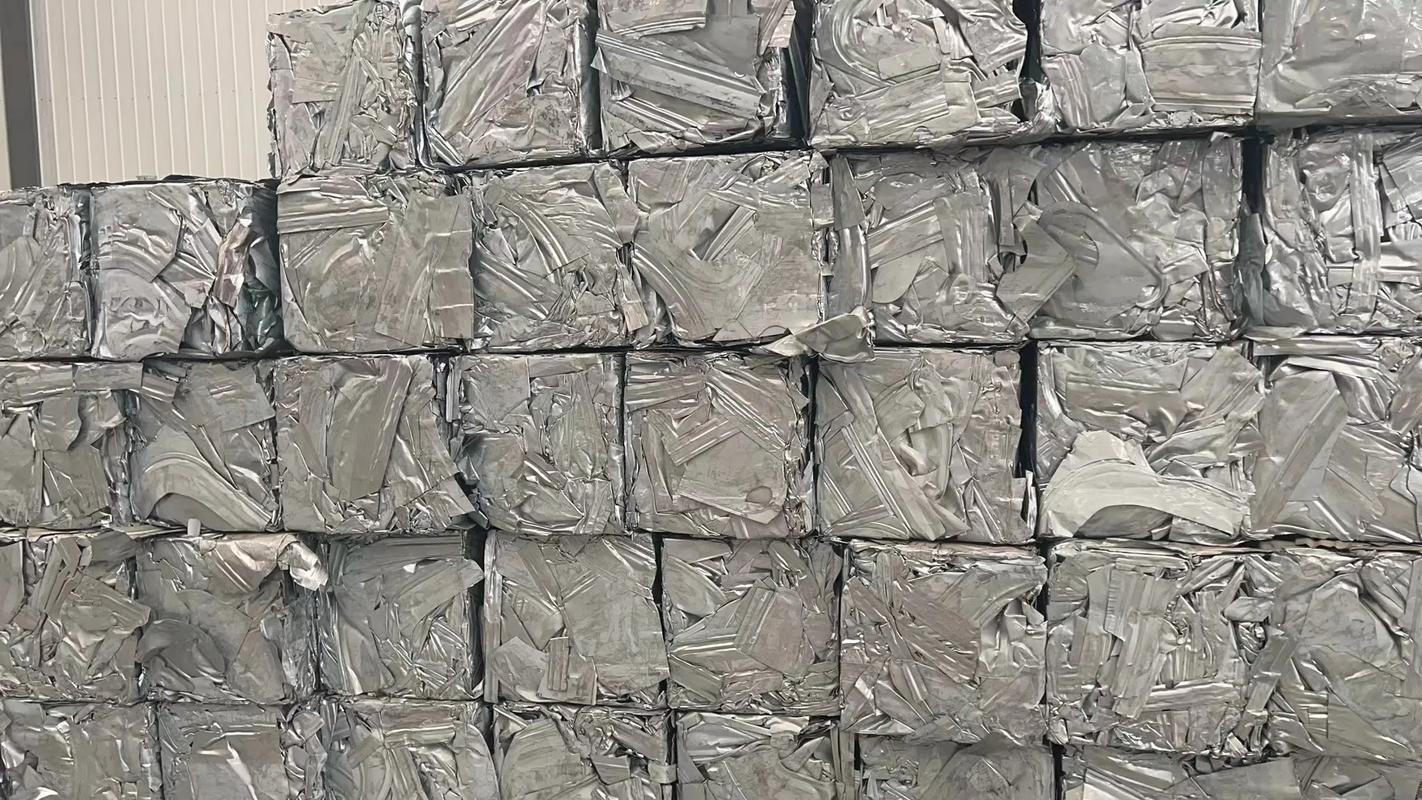
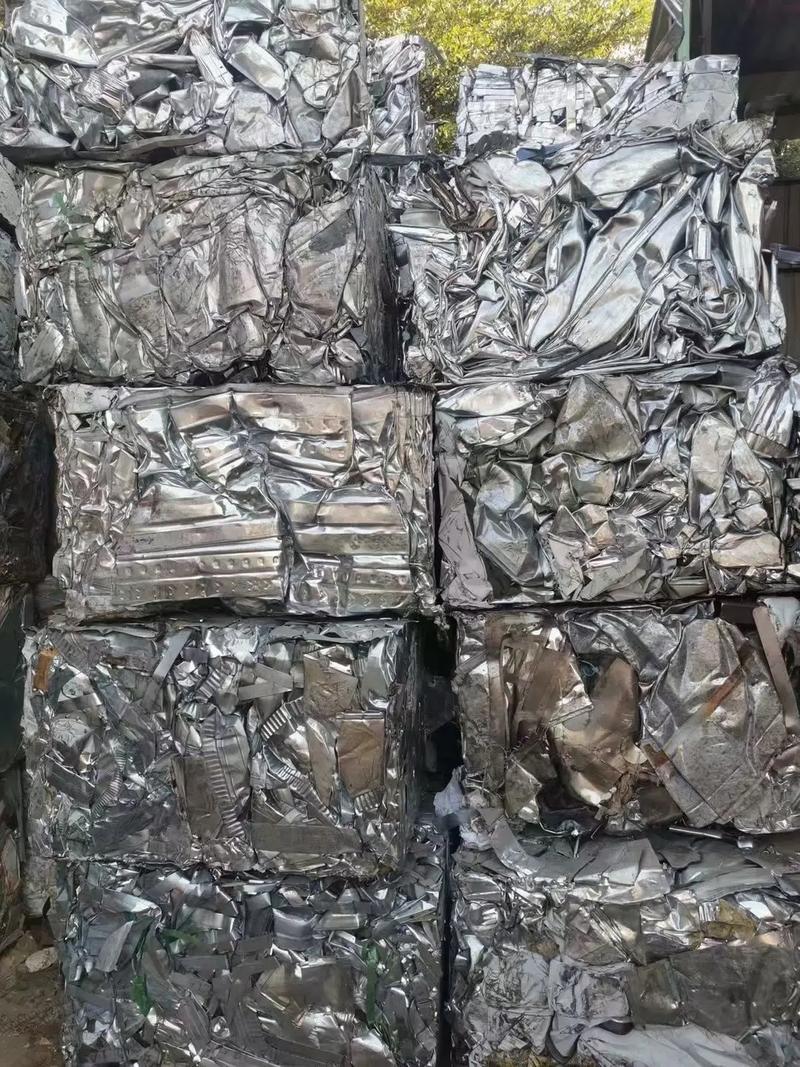
Hydraulic compression brings prepared loose pieces into a more manageable form for downstream handling. The benefit to assess is consistency in the workshop collection process: whether the material can be loaded without excessive intervention, whether the bale can be removed safely, and whether its form suits the receiving recycler. No fixed density, weight or cycle output is promised for an unspecified sheet mix.
A horizontal machine layout can be evaluated against the position of scrap bins and cutting equipment. Forward discharge creates a defined collection direction, but that space must remain clear throughout operation. Draw the full installation, including access for service, guards, loading equipment and the largest expected bale. A short machine footprint does not by itself establish a safe installation footprint.
Wear surfaces deserve attention because thin sheet edges may concentrate contact at certain locations. The supplied series information includes interchangeable wear plate arrangements and listed material options. Confirm the actual construction for the selected machine and the maintenance access needed to inspect it. Control and remote-control options likewise require order-specific confirmation; they do not establish unattended operation or automatic feeding.
04 / WORKING PRINCIPLE
Operation & Maintenance
Practical guidance for safe operation and routine maintenance.
Loading, Maintenance and Purchase Acceptance
Start with a written scrap profile covering alloy, thickness distribution, largest piece size, coatings and the planned loading method. Ask the supplier to review photographs and a representative sample. Agree which incoming shapes require preparation and which are outside scope. Keep batches identifiable through loading and collection when the recycler requires alloy traceability.
Operate only to the delivered machine instructions, using trained personnel and a controlled exclusion area. Loading equipment and collection vehicles must not conflict with one another. Never reach into the compression chamber to clear bridging. Stop and isolate the equipment under the approved procedure before inspection, obstruction removal or maintenance. Hydraulic pressure and stored energy require particular care.
For acceptance, record the actual feed composition, preparation, load size and operating conditions. Check that the bale can be discharged and handled in the intended collection area without making unsupported strength assumptions. Inspect for excessive loose pieces and agree a handling method appropriate to the produced bale. Routine checks should cover leaks, hoses, wear surfaces, fasteners and clear access, at the intervals specified for the delivered configuration.
Related front-discharge aluminum project reference only; not evidence of this HBQ configuration, sheet/profile sample or specified capacity.
Front-Out Baler Reference Video: user-selected equipment/process reference, not evidence of this exact feed, configuration or output.
05 / TECHNICAL REFERENCE
Technical Parameters
Key selection data and model-dependent specification ranges.
Six mechanical reference attributes
The following six attributes are selected from the supplied HBQ series sheet. They describe series references or available arrangements, not a certified combination for one finished machine. Confirm the selected model, electrical requirements, chamber dimensions and loading arrangement before ordering. A listed option is not an automatic inclusion in the supply scope.
Steel plate material: Q235B
Ram arrangement: Three rams
Machine arrangement: Horizontal
Wear plate serviceability: Interchangeable wear steel plate
Core components: Pump and motor
Working pressure: 21.5 MPa, subject to selected configuration
A purchase specification should identify the incoming scrap dimensions and condition, required bale handling method and actual site utilities. Do not infer throughput, bale weight or achievable density from these six attributes. Request a configuration-specific quotation and an acceptance check using representative material, with the test conditions recorded.
06 / SOLUTIONS & CUSTOMER CASES
Plan the complete process.
RELATED NEWS
News & buying guides
Buying a Scrap Metal Baler: What to Include in Your RFQ
A useful scrap metal baler quotation starts with representative scrap, the buyer’s bale specification and a complete handling plan. Use this checklist to compare proposals on the same basis.
Read details ↗Front-Out vs. Side-Push Metal Balers: Which Fits Your Scrap Yard?
The direction a bale leaves the machine can shape your entire handling route. Compare front and side discharge before committing valuable yard space.
Read details ↗CUSTOMER CASES
Related project references
Each reference identifies its own equipment and project scope; it is not a test record for every material on this product page.

APPLICATIONS
Material preparation guides
These are related material guides. Follow each guide’s feedstock limits; a related material is not automatically approved for every machine configuration.

07 / QUESTIONS & SUPPORT
Product questions,
answered.
Delivery, Service & FAQ
Delivery scope, technical support and frequently asked questions.
Frequently Asked Questions
Can all aluminum sheet thicknesses be processed?
No universal thickness limit is established here. Send the thickness range, largest dimensions and material condition for configuration-specific review before selecting the machine.
Must different aluminum alloys be separated?
Separate them when required by the recycling route. Baling combines material physically and cannot restore alloy traceability after mixed scrap has been compressed.
Can long sheet edge strips be loaded directly?
Only after their shape and length have been assessed. Tangled strips or oversized skeletons may need preparation rather than being forced into the opening.
Does front-out discharge eliminate forklift space?
No. It establishes the discharge direction; safe collection space, vehicle access and pedestrian separation still need to be planned around the actual installation.
Is a bale density guaranteed for sheet offcuts?
No. Density depends on the material and selected configuration. Agree measurable acceptance criteria using a representative batch instead of assuming a universal result.
Does the reference video prove performance on my scrap?
No. It is a user-selected front-out equipment reference. Your sheet grade, geometry and operating conditions require their own suitability review and agreed acceptance checks.
Equipment Recommendation
Tell Us About Your Material and Capacity
Share the key operating conditions below so our team can compare suitable equipment and prepare a practical configuration.