
Metal Balers
Front-Out HBQ Baler for Light Nonferrous Sheet Scrap
Assess Separate Nonferrous Sheet Streams with Clear Material Limits
Plan an HBQ front-out installation for separately reviewed light nonferrous sheet streams. Compare alloy identity, geometry, preparation and buyer requirements before selecting a configuration. Keep copper and aluminum acceptance conditions distinct, with a documented feed envelope and practical front-bale collection arrangement.
PRODUCT VIDEO
Front-Out HBQ Baler for Light Nonferrous Sheet Scrap video
01 / PRODUCT DESCRIPTION
Product Overview
Purpose, machine structure and its role in the recycling process.
Choose a machine around defined sheet streams
A workshop handling light nonferrous sheet can produce different approved scrap streams on the same floor. Aluminum panel offcuts and copper sheet remnants may both need consolidation, but their grade, surface condition and downstream requirements remain separate. A Front-Out HBQ Baler for Light Nonferrous Sheet Scrap addresses selection for those separately assessed streams rather than promising to bale any nonferrous mixture.
The starting point is a material matrix: what is generated, where it originates, how it is prepared and which buyer accepts it. Define light sheet using actual thickness, dimensions and form, not the label alone. This page does not establish a universal maximum thickness or suitability for every alloy and coating.
HBQ hydraulic compression and front bale discharge can be considered where a plant needs a defined receiving position ahead of the machine. Use the HBQ front-discharge overview for family context, then ask for a configuration assessment against every stream proposed for the installation.
02 / MATERIALS & OUTPUT
Applications & Materials
Suitable scrap materials, industries and operating scenarios.
Separate material identity from physical preparation
For each sheet stream, record alloy identification, original process, thickness, longest dimension and surface condition. Keep bare, painted, plated and adhesive-backed material distinguishable where the receiving specification requires it. Do not infer composition from color or treat all silver sheet as aluminum.
Assess physical form separately. Flat pieces, folded trim, small blanking remnants and interconnected skeletons can present different loading problems. Establish whether any long or connected scrap needs preparation before the proposed machine can accept it. A baler specification does not automatically include a shear, shredder or coating-removal stage.
Copper and aluminum should not be mixed merely to fill a chamber. Agree whether individual grades require separate batches and how containers are identified at the source. Remove steel fixings, plastic film and other attachments according to the approved specification. Composite panels and unknown layered material need an explicit review rather than a generic nonferrous label.
The photographs illustrate relevant sheet and remnant forms. They do not prove chemical grade or document a matched before-and-after trial. Retain representative samples and production records when those are needed to establish the intended recycling route.
03 / STRUCTURE & FEATURES
Equipment features.
Features & Benefits
Operational advantages and configuration benefits for buyers.
Evaluate one installation without assuming one universal recipe
A shared front collection location can simplify the physical planning of several separately approved streams, provided the incoming containers and output identification remain controlled. Check the loading path, receiving clearance and bale pickup method for each stream instead of assuming that a layout accepted for one material will work for all.
A written acceptance matrix lets the buyer compare configurations against the actual work. Mark which forms have been reviewed, which require preparation and which remain outside scope. This is more informative than using a single performance range to imply identical results for copper, aluminum and every other nonferrous metal.
The selected HBQ configuration may include different control, cooling and component choices listed in the supplied information. Choose these with regard to the installation and approved feed. A control option does not establish automatic sorting, automatic loading or recognition of a material change.
Serviceability should be assessed alongside material flexibility. Allow access for the prescribed inspection of hydraulic components and wear surfaces. Define housekeeping at batch changes so that residues are managed without unsafe intervention. These measures support a controlled operating process, but they are not an unsupported promise of a particular efficiency or savings percentage.
04 / WORKING PRINCIPLE
Operation & Maintenance
Practical guidance for safe operation and routine maintenance.
Prove the limits as well as the acceptable streams
Provide the supplier with a sample set for every proposed sheet stream, including its most difficult normal geometry. Send photographs of the material in the usual collection container, a route drawing and the buyer's bale requirements. Identify streams that will never be processed together.
During acceptance, test the agreed streams under their stated preparation conditions. Record the configuration, loading method and collection arrangement used for each. A successful aluminum demonstration should not be described as automatic validation of copper sheet or another alloy. Where suitability remains untested, preserve that limitation in the operating specification.
Set a release procedure for newly introduced materials. If production starts using a different alloy, coating or sheet geometry, review it before treating it as equivalent to a previously accepted stream. The aim is a defined working envelope rather than an expanding assumption that anything light and metallic can be loaded.
Follow the machine-specific manual and isolation procedure for inspection, cleaning and blockage removal. Keep people out of the chamber and discharge area during operation. The Front-Out Baler Reference Video is general equipment/process context, not a test report for each material in the matrix.
05 / TECHNICAL REFERENCE
Technical Parameters
Key selection data and model-dependent specification ranges.
Configuration reference
The six attributes below are selected from the supplied HBQ series information. Listed brands, cooling arrangements and controls are configuration choices rather than a promise that every machine includes them. Numeric ranges refer to the series, not to one adjustable machine. Confirm the exact model, electrical supply, loading arrangement and agreed acceptance conditions in the order specification.
| Attribute | Series reference / option |
|---|---|
| Steel plate | Q235B |
| Arrangement | Horizontal |
| Foundation reference | Level concrete ground; confirm installation drawing and foundation requirements |
| Control options | PLC automatic control or manual control, as selected |
| Series machine weight range | 2,820–18,500 kg; model dependent |
| Listed cooling option | Water cooling, where selected |
06 / SOLUTIONS & CUSTOMER CASES
Plan the complete process.
RELATED NEWS
News & buying guides
APPLICATIONS
Material preparation guides
These are related material guides. Follow each guide’s feedstock limits; a related material is not automatically approved for every machine configuration.
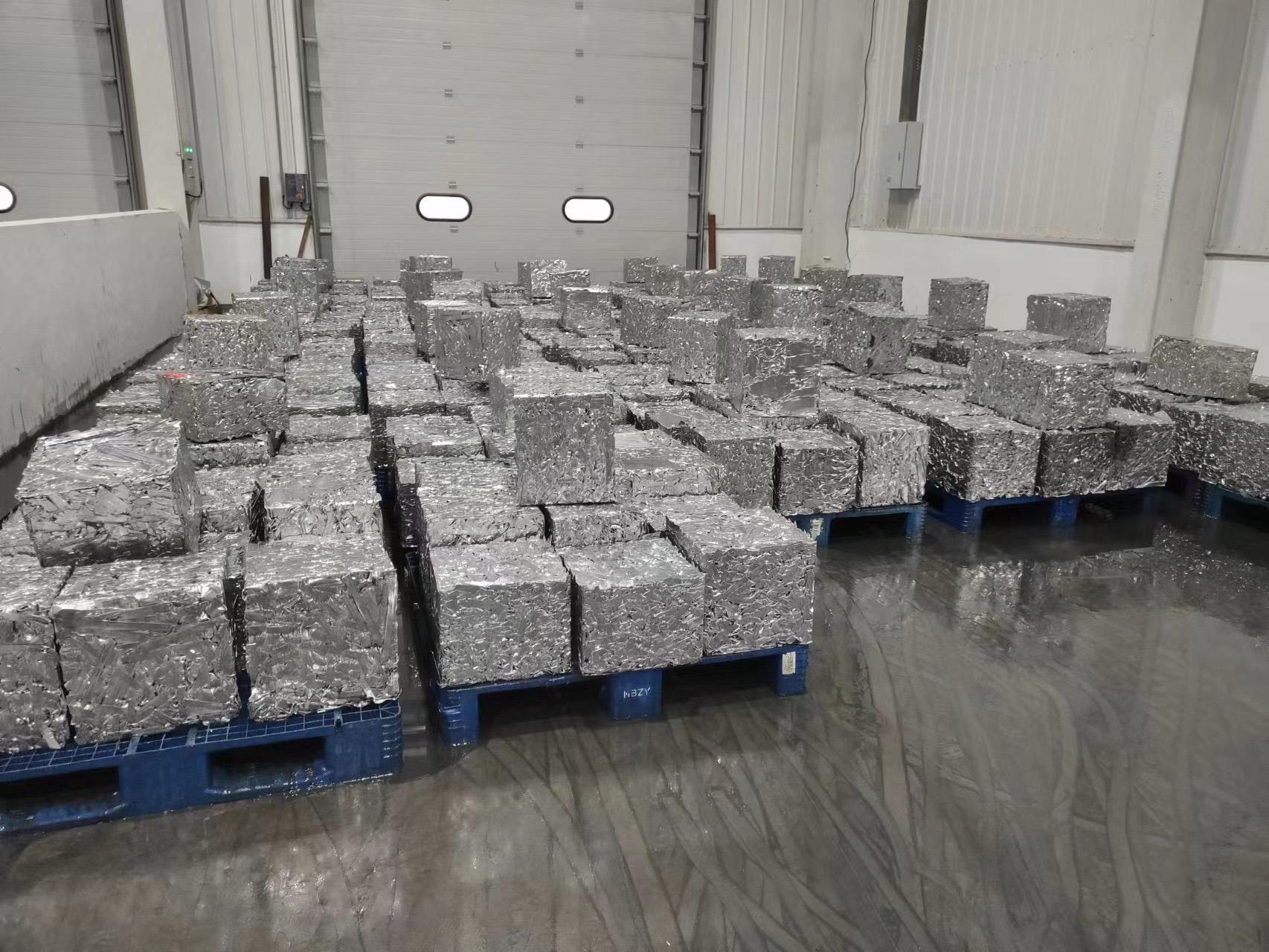
Aluminum Coil & Sheet Scrap Baling Recycling
Prepare aluminum coil, sheet, strip and production offcuts for hydraulic baling to reduce volume, improve storage and support efficient aluminium recycling logistics.
Read application guide ↗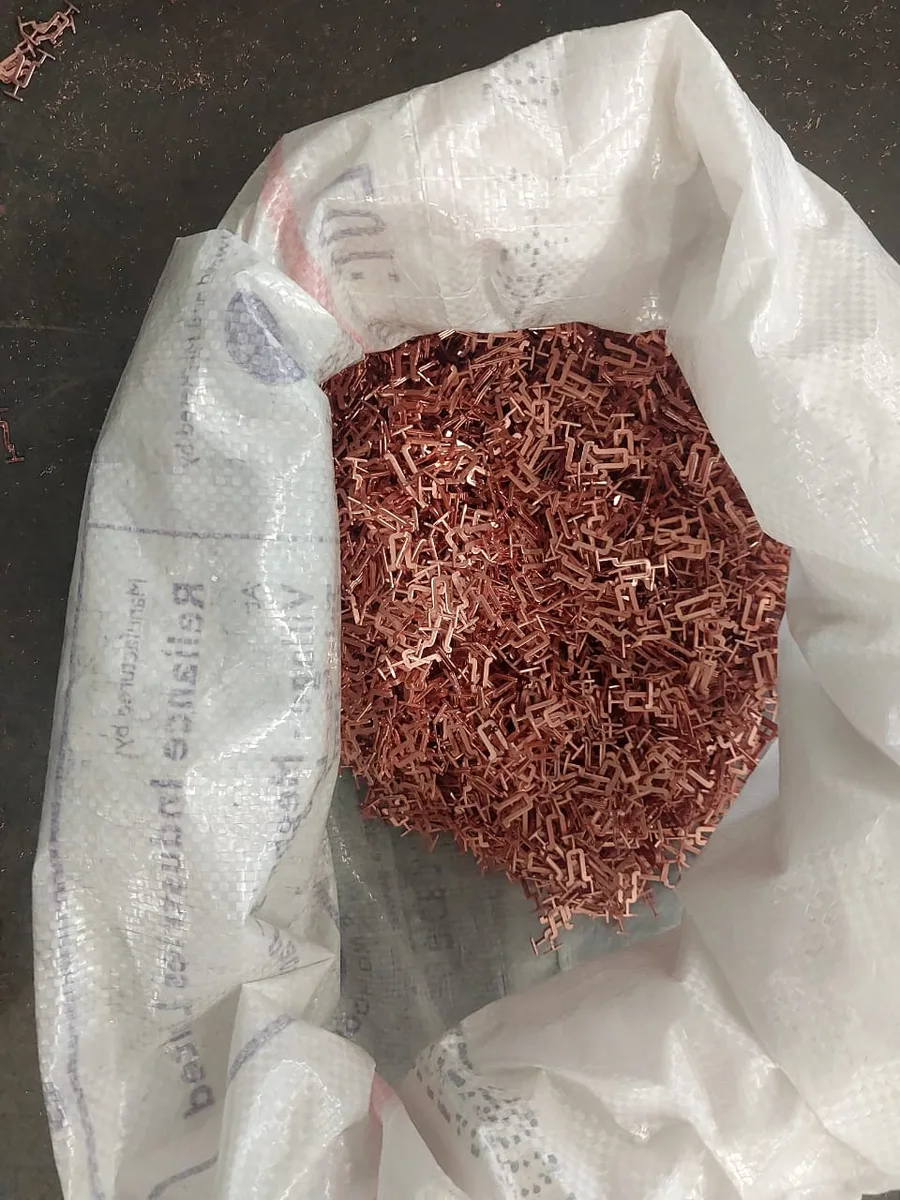
Copper Sheet Scrap Baling
Practical sorting, preparation and equipment-selection guidance for copper sheet scrap, supported by representative material photos.
Read application guide ↗07 / QUESTIONS & SUPPORT
Product questions,
answered.
Delivery, Service & FAQ
Delivery scope, technical support and frequently asked questions.
Frequently asked questions
Does nonferrous mean every alloy is suitable?
No. Review each proposed alloy and physical form separately. This description establishes neither universal suitability nor one maximum thickness for all materials.
Can aluminum and copper be loaded together?
Do not mix them unless the receiving specification explicitly permits it. Separate grade requirements continue to apply after compression.
How should I describe light sheet scrap?
Provide actual thickness, dimensions, geometry and surface condition. The term light does not replace a measurable feed specification.
Can a successful aluminum trial validate copper sheet?
No. Assess copper under its own agreed conditions. Compare the aluminum sheet workflow without treating it as a cross-material test.
Does the installation automatically change settings for each metal?
No automatic material recognition or changeover feature is established here. Use the configured controls and the approved operating instructions.
Which page should I use for general machine information?
The HBQ family overview provides general context. Combine it with the material matrix and selected order configuration.
Equipment Recommendation
Tell Us About Your Material and Capacity
Share the key operating conditions below so our team can compare suitable equipment and prepare a practical configuration.