
Metal Balers
Front-Out HBQ Metal Baler with Optional Remote Control
Plan the operator position around loading visibility and front-end collection
Review optional remote control for a Front-Out HBQ baler, including operator visibility, handover, material preparation and configuration acceptance.
PRODUCT VIDEO
Front-Out HBQ Metal Baler with Optional Remote Control video
01 / PRODUCT DESCRIPTION
Product Overview
Purpose, machine structure and its role in the recycling process.
Choose the operator position before choosing the handset
An optional remote control can be useful when the most practical operating position is not immediately beside the main panel. The Front-Out HBQ Metal Baler with Optional Remote Control is a configuration-led choice: start with where the operator must stand, what they need to see and how loading and bale collection are coordinated. The supplied HBQ information lists remote control as optional; it does not establish a particular handset, range or communication system.
This page concerns operator location and command responsibility, rather than promising automatic material handling. A remote-control option does not turn a manually loaded machine into an unattended line. Compare the manual hydraulic control page when discussing who initiates each approved movement and how authority transfers between positions.
02 / MATERIALS & OUTPUT
Applications & Materials
Suitable scrap materials, industries and operating scenarios.
Keep feed preparation independent of the control option
Reviewed light steel offcuts and suitable nonferrous production scrap need the same material assessment whether commands are entered locally or remotely. Provide the supplier with typical shapes, longest pieces, thicknesses, attachments and contamination information. Separate alloys or grades where the downstream buyer requires this. Remove unsuitable material through an agreed sorting process before it reaches the loading area.
Do not include sealed vessels, pressurized containers, hot scrap or unknown contaminated material. Remote operation does not make these inputs acceptable. Long strips, entangled pieces and sharp edges can change the loading method; assess them using representative samples rather than assuming the operator can manage them from farther away.
Agree the permitted manual or grabber-loading configuration and how people stay outside the working area during machine movement. The site assessment must cover blind spots, noise, other mobile equipment and the path used by the person receiving the finished bale.
03 / STRUCTURE & FEATURES
Equipment features.
Features & Benefits
Operational advantages and configuration benefits for buyers.
Benefits depend on a clear control boundary
The practical opportunity is to position the operator where the approved task is easier to observe while respecting the supplier's operating instructions. Check the full loading and discharge zones from that position. A convenient view of the chamber alone may leave the forward collection area out of sight. Mark a suitable operating location on the layout and verify it at the actual installation.
Define which controls remain at the fixed panel, which functions are available remotely and how conflicting commands are prevented in the selected design. Ask for the supplied control description rather than inferring safety functions from the word remote. Wireless operation, a specific radio range, emergency-stop coverage and a particular protection rating are not established by the series option entry.
A well-defined handover procedure also helps prevent uncertainty between shifts or between the loading operator and the collection operator. The procedure should identify who holds authority, how a control device is secured when unused and what happens after a fault. Any claimed functional protection must be supported by the delivered machine documentation.
04 / WORKING PRINCIPLE
Operation & Maintenance
Practical guidance for safe operation and routine maintenance.
Test the actual installation and document the response
Before ordering, provide a floor plan showing the machine, feeding position, forward discharge, columns and vehicle routes. Explain the intended environment and any obstructions between the operator and the machine. Ask the supplier to confirm whether the proposed control package is suitable for these conditions and to identify any required installation limits.
Acceptance should demonstrate the approved commands, handover between permitted positions and response to the conditions described in the manufacturer's instructions. Do not deliberately create hazardous situations as an improvised test. Use a supplier-led procedure, suitable prepared scrap and trained personnel. Record the exact control package and the configuration demonstrated.
For routine care, inspect the control device and associated components as prescribed. Keep labels readable, report damage and follow the approved method for servicing or replacing parts. Stop and isolate the machine before jam clearing or maintenance. A remote device is not a substitute for isolation, physical access control or the machine-specific safety procedure.
05 / TECHNICAL REFERENCE
Technical Parameters
Key selection data and model-dependent specification ranges.
Confirm the selected configuration
The six attributes below come from the supplied HBQ series information. A series range or listed option is not proof that one machine covers every value or includes every alternative. Confirm the exact model, approved scrap, supply, loading method and discharge arrangement in the written specification. Mechanical attributes are fixed for this page after publication, but the order still needs a configuration review.
Front-Out Baler Reference Video is the user-designated equipment and process reference. It is not a test report for every material, configuration or performance figure discussed here.
| Attribute | Reference value |
|---|---|
| Working pressure reference | 21.5 MPa; confirm selected model |
| Supply frequency alternatives | 50 Hz or 60 Hz; specify one applicable supply |
| Baler arrangement | 3 rams |
| Drive | Hydraulic drive |
| Series machine weight | 2,820–18,500 kg; model dependent |
| Wear plate arrangement | Interchangeable wear steel plate |
06 / SOLUTIONS & CUSTOMER CASES
Plan the complete process.
APPLICATIONS
Material preparation guides
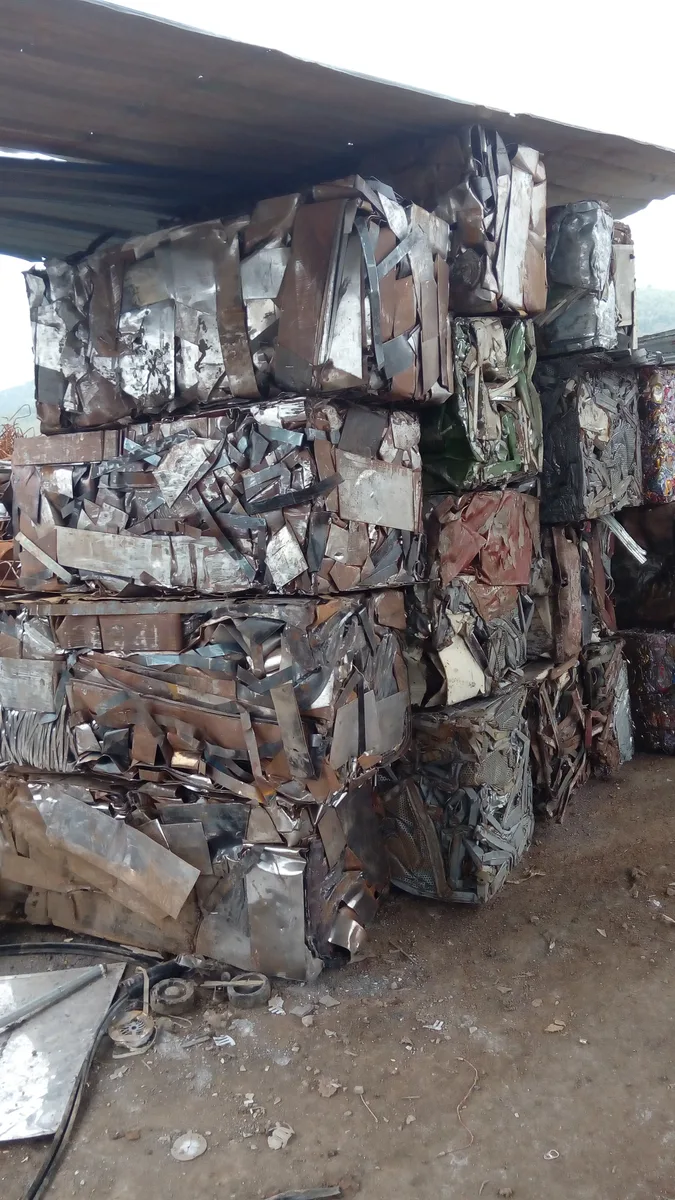
These are related material guides. Follow each guide’s feedstock limits; a related material is not automatically approved for every machine configuration.
07 / QUESTIONS & SUPPORT
Product questions,
answered.
Delivery, Service & FAQ
Delivery scope, technical support and frequently asked questions.
Frequently asked questions
Does optional remote control mean wireless control?
Not necessarily. The source only lists remote control as optional. Confirm the connection method, device and permitted functions in the selected package.
Can one person load and collect bales from anywhere?
No such arrangement is established. The operating position and task responsibilities need a site-specific review of visibility, exclusion areas and collection movements.
Does remote control include automatic loading?
No. Loading remains a separately specified arrangement. See the HBQ overview before agreeing the complete equipment package.
What should be checked if communication is interrupted?
Ask the supplier to explain the documented machine response and approved recovery procedure. Do not assume a particular protective behavior without evidence for the delivered configuration.
Can remote commands replace maintenance isolation?
No. Follow the prescribed stop, isolation and access procedure before entering a hazard area or carrying out permitted maintenance.
What information helps choose the control package?
Provide the floor plan, operator positions, environment, feed method and required command responsibilities. Compare manual-control responsibilities as part of the review.
Equipment Recommendation
Tell Us About Your Material and Capacity
Share the key operating conditions below so our team can compare suitable equipment and prepare a practical configuration.