
Metal Balers
Front-Out HBQ Metal Baler with Manual Hydraulic Control
Define Operator Duties for the Manual Control Option
Assess the confirmed HBQ manual hydraulic control option through its actual interface, operator responsibilities and prescribed procedure. Select feeding and front-bale collection arrangements separately. Verify the quoted configuration with representative material and appropriate training instead of assuming universal lever functions or an expanded feed capacity.
PRODUCT VIDEO
Front-Out HBQ Metal Baler with Manual Hydraulic Control video
01 / PRODUCT DESCRIPTION
Product Overview
Purpose, machine structure and its role in the recycling process.
Choose manual control as an operating arrangement
The supplied HBQ information lists manual control as an alternative to PLC automatic control. A Front-Out HBQ Metal Baler with Manual Hydraulic Control should be assessed around the operator's responsibilities, the selected loading method and the machine-specific operating instructions. Manual control is not a claim that the machine has no electrical equipment or that every movement is performed without powered hydraulics.
The reference establishes the availability of a manual option, but it does not define the exact levers, buttons, valve layout or sequence for every model. Ask the supplier to explain those details for the proposed configuration. Avoid selecting the machine from a familiar control label while leaving the actual operating procedure unclear.
Forward push-out discharge gives the installation a front receiving zone that must be coordinated with loading and collection. Review the HBQ series overview together with the selected control arrangement, rather than assuming a manual version and an automatic version have identical interfaces or included options.
02 / MATERIALS & OUTPUT
Applications & Materials
Suitable scrap materials, industries and operating scenarios.
Keep the approved feed independent of operator preference
A manual option does not extend the machine's approved feed envelope. Record material grade, dimensions, geometry and surface condition for each proposed scrap stream. Prepared light sheet remnants, short offcuts and other reviewed forms should be accepted on their own merits, not because an operator believes a difficult piece can be forced through an extra movement.
Identify long, connected or nested pieces that may require separate preparation. Remove incompatible attachments and contamination according to the agreed specification. Closed components of unknown contents, hazardous residues and unreviewed heavy material are outside this description.
Confirm the selected loading arrangement. Manual hydraulic control and manual material loading are different choices. The supplied series information lists feeding alternatives, but a control label alone does not establish which loading equipment is included or whether hand loading is suitable for a particular feed.
Keep incoming containers and released batches identifiable. The operator should receive the material information needed to follow the approved procedure. Neither manual controls nor operator experience replace sorting, grade records or the receiving buyer's acceptance requirements.
03 / STRUCTURE & FEATURES
Equipment features.
Features & Benefits
Operational advantages and configuration benefits for buyers.
Make operator actions and collection duties explicit
A clearly documented manual control arrangement can help a buyer review who initiates each permitted action and what the operator must observe. That is a specification and training benefit, not an unsupported guarantee of greater safety, lower cost or better output than an automatic option.
Ask the supplier to identify the controls, their functions and the prescribed normal operating procedure. Confirm the operator's position and what must be checked before an action is initiated. Do not infer a particular lever sequence or an ability to override protective functions from the word manual.
Coordinate front-bale collection with the operating procedure. The person collecting a bale must not be exposed to an unexpected machine action or required to enter a hazardous area during operation. Review communication and access arrangements using the selected model's instructions and the site's risk assessment, without inventing a specific interlock design.
Compare the manual option with other confirmed configurations using the actual staffing, training and feed conditions. The supplied reference does not establish comparative labor savings or processing rates. Obtain a quotation and demonstration that identify what is included in each option before making that comparison.
04 / WORKING PRINCIPLE
Operation & Maintenance
Practical guidance for safe operation and routine maintenance.
Use training and a representative demonstration to confirm fit
Before ordering, request the proposed control description, machine identification and operating documentation. Confirm the loading method, electrical requirements and collection arrangement separately. Ask who is expected to operate, inspect and service the machine and what training is provided for the selected configuration.
During acceptance, have qualified personnel demonstrate the prescribed procedure using representative approved scrap. Observe the required operator actions, the available view of loading and discharge, and coordination with bale collection. Record the actual configuration rather than treating a demonstration of another model as proof of the manual version being quoted.
Include normal stopping and the prescribed isolation procedure in training. A stopped command is not necessarily an isolated hydraulic system. Do not enter the chamber or reach into the discharge area to reposition scrap. Follow the manufacturer's method for controlling stored energy before any permitted cleaning, blockage removal or maintenance.
Maintain the control labels and operating instructions in a usable condition, and report damaged controls or unexpected behavior through the service procedure. Do not improvise repairs or change functions to overcome a difficult load. The Front-Out Baler Reference Video is a general equipment/process reference, not confirmation that its visible controls match the quoted manual configuration.
05 / TECHNICAL REFERENCE
Technical Parameters
Key selection data and model-dependent specification ranges.
Configuration reference
The six attributes below are selected from the supplied HBQ series information. Listed brands, cooling arrangements and controls are configuration choices rather than a promise that every machine includes them. Numeric ranges refer to the series, not to one adjustable machine. Confirm the exact model, electrical supply, loading arrangement and agreed acceptance conditions in the order specification.
| Attribute | Series reference / option |
|---|---|
| Arrangement | Horizontal |
| Supply frequency options | 50 Hz or 60 Hz, selected for the installation |
| Series steel plate thickness | 12–30 mm; selected component/configuration to be confirmed |
| Listed cooling option | Industrial chiller, where selected |
| Baler arrangement | Three rams |
| Electrical supply | Three-phase, according to installation specification |
06 / SOLUTIONS & CUSTOMER CASES
Plan the complete process.
RELATED NEWS
News & buying guides
APPLICATIONS
Material preparation guides
These are related material guides. Follow each guide’s feedstock limits; a related material is not automatically approved for every machine configuration.
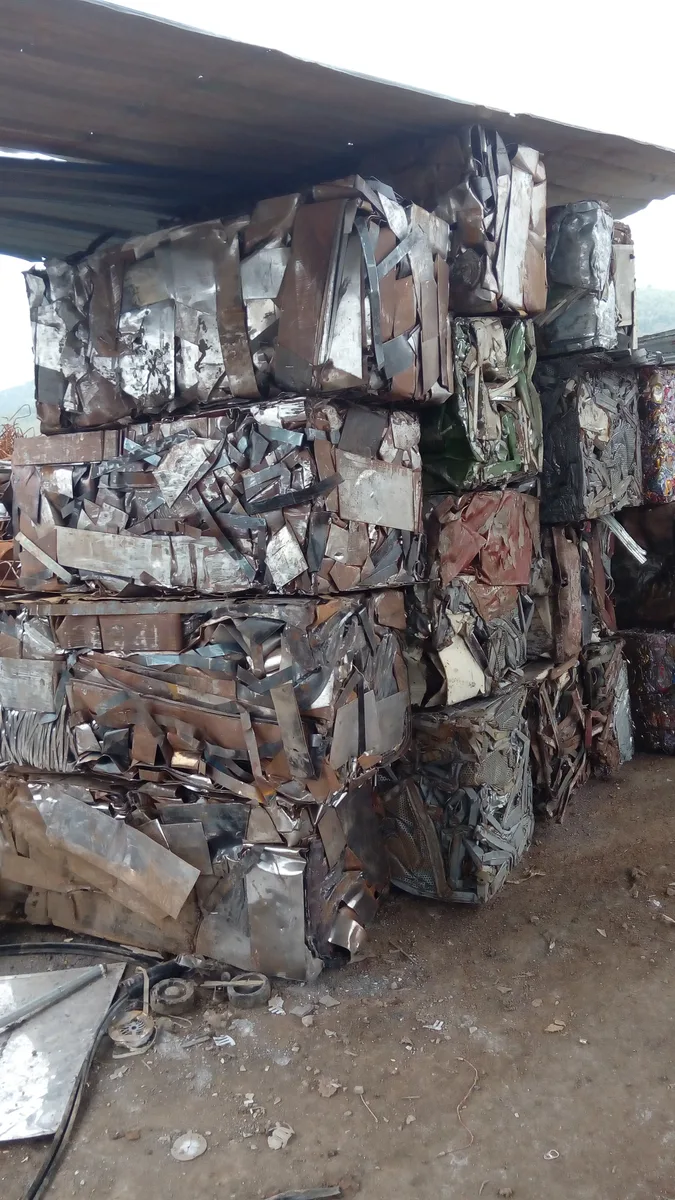
Light-Gauge Ferrous Scrap Baling
Practical sorting, preparation and equipment-selection guidance for light-gauge ferrous scrap, supported by representative material photos.
Read application guide ↗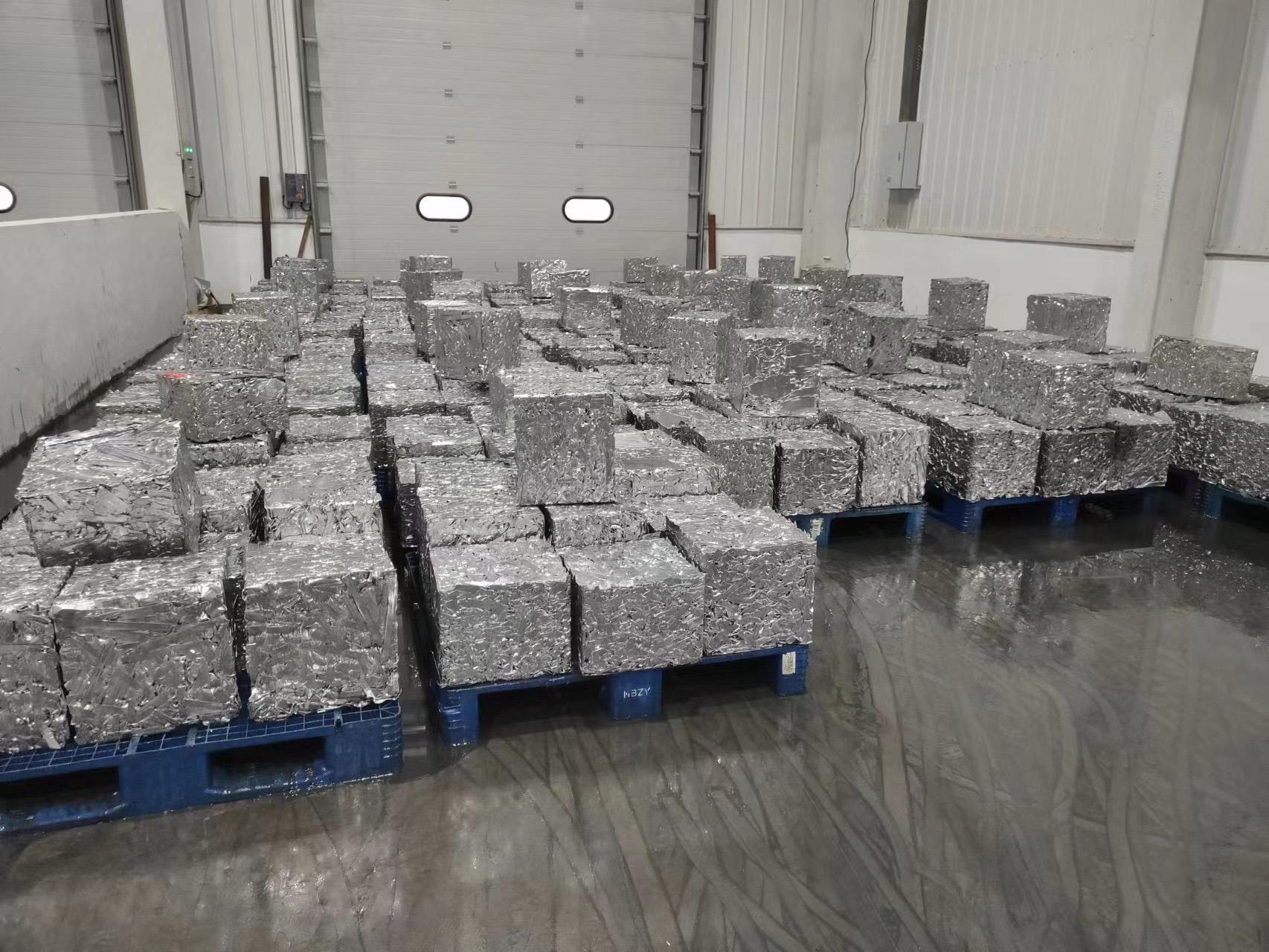
Aluminum Coil & Sheet Scrap Baling Recycling
Prepare aluminum coil, sheet, strip and production offcuts for hydraulic baling to reduce volume, improve storage and support efficient aluminium recycling logistics.
Read application guide ↗07 / QUESTIONS & SUPPORT
Product questions,
answered.
Delivery, Service & FAQ
Delivery scope, technical support and frequently asked questions.
Frequently asked questions
Does manual control mean the machine is not hydraulic?
No. Manual describes a control option. The supplied HBQ information identifies hydraulic drive; confirm the selected model’s actual control interface.
Does manual control include hand loading?
Not necessarily. Feeding and hydraulic control are separate choices. Confirm the approved loading arrangement and equipment.
Can the operator use manual control to process oversized scrap?
No. Follow the approved material envelope and preparation requirements. Manual actions do not establish additional capacity or suitability.
Are the lever positions the same on every HBQ model?
That is not established. Use the selected machine’s labeled controls and operating instructions rather than an assumed universal sequence.
How can I compare the manual and PLC options?
Request configuration-specific descriptions and a representative demonstration. The HBQ overview gives family context but not comparative labor or output guarantees.
Does the reference video prove the manual configuration?
No. Treat it as general context and verify the actual controls in the proposed order. Feed preparation remains important, as illustrated by the sorted fabrication-scrap guidance.
Equipment Recommendation
Tell Us About Your Material and Capacity
Share the key operating conditions below so our team can compare suitable equipment and prepare a practical configuration.