
Metal Balers
Front-Out Y81Q Baler for Prepared Steel Scrap from Contract Stamping Shops
Keep customer jobs and approved steel scrap batches traceable through baling
Plan front-out baling for contract stamping scrap with job-specific sorting, material approval, changeover records and bale acceptance.
PRODUCT VIDEO
Front-Out Y81Q Baler for Prepared Steel Scrap from Contract Stamping Shops video
01 / PRODUCT DESCRIPTION
Product Overview
Purpose, machine structure and its role in the recycling process.
Build a baling routine around changing customer jobs
A contract stamping shop may process several customers, steel grades and part geometries within a short production period. Its scrap is therefore better understood as a sequence of identified jobs than as one uniform feedstock. The Front-Out Y81Q Baler for Prepared Steel Scrap from Contract Stamping Shops addresses that purchasing problem: how to compact approved production offcuts while retaining the distinctions needed for material acceptance and ownership records.
Start with representative job families. Show the supplier the flat remnants, formed trim and punched sheet pieces actually produced, including their thickness, longest dimension and condition. An approved sample from one job does not automatically qualify every later contract. The selected machine and preparation method need an agreed operating envelope that staff can apply when the schedule changes.
02 / MATERIALS & OUTPUT
Prepared Materials
Suitable scrap materials, industries and operating scenarios.
Separate the job record from the scrap container
Label incoming containers with the information your customer agreements and recycler require. This may include job reference, material grade, source process and whether the material has been reviewed for baling. Keep uncertain or mixed containers outside the accepted feed area until someone with the appropriate responsibility resolves them. A handwritten customer name alone may not identify the steel.
Prepare light steel production scrap to the confirmed size and geometry limits. Long connected skeletons, curled strips and nested formed pieces can behave differently from loose flat offcuts. Ask for a suitable preparation method rather than assuming compression will correct an unsuitable shape. Compare the thin steel punching scrap page for the narrower punching-remnant stream.
Exclude sealed or pressurized containers, hot material, unknown contaminated scrap and heavy components outside the approved specification. Keep tooling, bolts, other non-scrap items and nonmetal attachments out of the feed. The application does not imply that a front-out baler includes shearing equipment, automatic sorting or contamination detection.
03 / STRUCTURE & FEATURES
Equipment features.
Features and Selection Benefits
Operational advantages and configuration benefits for buyers.
Evaluate benefits at the job changeover
Hydraulic compression and forward discharge can provide a defined end point for a job batch when the selected machine is suitable for the material. The practical benefit is an orderly handover from approved scrap to an identified bale. It depends on the shop maintaining records and separation; the baler does not establish the commercial grade or ownership of the steel.
Plan how the last material from one job is accounted for before the next approved batch enters the station. Follow the manufacturer’s stop and isolation procedure for any inspection or cleaning that requires access. Never reach into a chamber or discharge zone to retrieve a label or loose piece while the machine can move.
A repeatable changeover checklist can also help purchasing distinguish machine capacity from job-mix delays. Record loading, preparation and collection conditions during acceptance. No particular throughput, recovery price or labour saving is established by the series data. Use the batch-weighing guidance when deciding how a finished batch receives its measured quantity.
04 / WORKING PRINCIPLE
Operation and Maintenance
Practical guidance for safe operation and routine maintenance.
Agree an acceptance record that can be repeated
Before ordering, provide sample photographs and a short list of the most demanding approved job types. Explain how scrap containers are moved, where the operator stands and how completed bales leave the front of the machine. Include expected changes in grade and finish, rather than selecting only the easiest material for the demonstration.
During a supplier-led trial, record the exact material, preparation, loading method and delivered configuration. Observe bale stability and the agreed receiving arrangement. If different jobs require different preparation, write those limits into the operating instructions instead of presenting the successful trial as universal approval.
At each shift, inspect the machine and work area according to its manual. Report leaks, damaged wear surfaces and abnormal noise, and keep labels and bale records legible. Maintenance and jam clearing require the prescribed isolation and competent personnel. Retain a route for rejecting a new job’s scrap without interrupting or contaminating accepted batches.
05 / TECHNICAL REFERENCE
Six Series References and Options
Key selection data and model-dependent specification ranges.
Review the proposed machine specification
The six attributes below are drawn from the user-supplied HBQ front-out series information. They are reference values or options for reviewing a proposed Y81Q installation, not a verified specification for one Y81Q model. Confirm each attribute, the approved material envelope and the selected configuration in the written quotation. Do not combine endpoints from different series ranges into a new machine specification.
Front-Out Baler Reference Video is the designated equipment and process reference. It is not evidence that the material on this page was tested, or that a particular capacity, bale weight or configuration has been achieved.
| Attribute | Series reference / option |
|---|---|
| Listed cooling option | Industrial chiller; confirm applicable configuration |
| Listed motor option | Taizhou Taida; confirm order configuration |
| Series chamber-height reference | 400–800 mm; model dependent |
| Feeding alternatives | Grabber or manual; specify selected arrangement |
| Supply frequency alternatives | 50 Hz or 60 Hz; select one applicable configuration |
| Motor-voltage option | Customized; confirm the agreed supply specification |
The related Germany front-discharge project is a layout and collection reference, not a Y81Q trial of this page’s material or proof of its configuration.
06 / SOLUTIONS & CUSTOMER CASES
Plan the complete process.
RELATED NEWS
News & buying guides
CUSTOMER CASES
Related project references
Each reference identifies its own equipment and project scope; it is not a test record for every material on this product page.

APPLICATIONS
Material preparation guides
These are related material guides. Follow each guide’s feedstock limits; a related material is not automatically approved for every machine configuration.
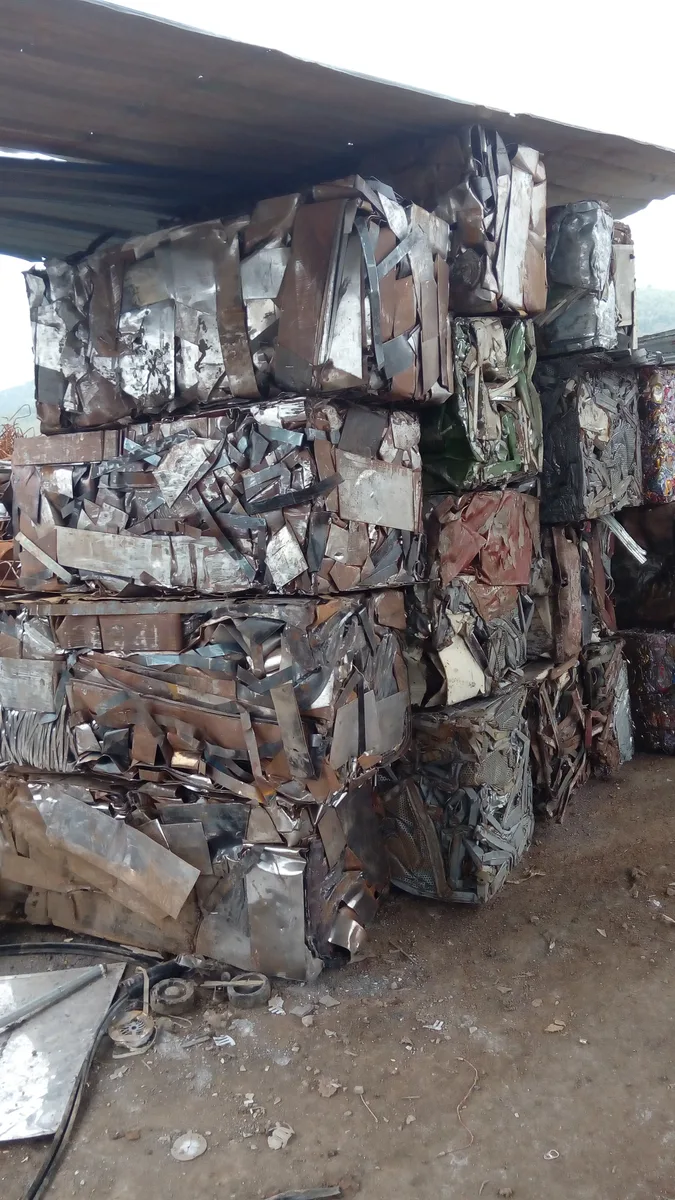
Light-Gauge Ferrous Scrap Baling
Practical sorting, preparation and equipment-selection guidance for light-gauge ferrous scrap, supported by representative material photos.
Read application guide ↗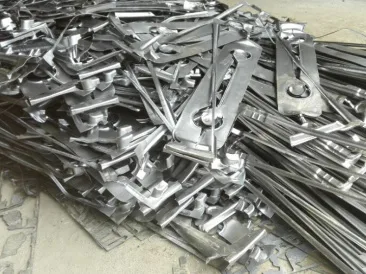
Stamping Steel Scrap Baling & Recycling
Practical sorting, preparation and equipment-selection guidance for stamping steel scrap, supported by representative material photos.
Read application guide ↗07 / QUESTIONS & SUPPORT
Product questions,
answered.
Frequently Asked Questions
Delivery scope, technical support and frequently asked questions.
Frequently asked questions
Can all stamping contracts use the same baling settings?
Do not assume so. Confirm the approved material and configuration for each relevant job family, especially when grade, thickness or geometry changes.
Does the baler identify which customer owns the scrap?
No ownership or identification system is established. The shop must define the container and bale records required by its agreements.
How should long punching skeletons be handled?
Ask the supplier to review their actual dimensions and entanglement risk. See the thin steel punching scrap page before specifying any required preparation.
Can different customer jobs share one bale?
Only when the responsible parties and material acceptance requirements allow it. Keep batches separate where grade, ownership or traceability requires separation.
Is a fixed bale weight guaranteed?
No. Use measured results from the approved material and selected configuration. The batch-weighing guidance explains the separate measurement interface.
What should accompany an enquiry?
Provide job-family samples, steel identification, thickness and shape ranges, contamination information, batch-record needs and a layout showing loading and forward collection.
Equipment Recommendation
Tell Us About Your Material and Capacity
Share the key operating conditions below so our team can compare suitable equipment and prepare a practical configuration.