
Metal Balers
Front-Out Y81Q Baler for Steel Service Center Sheet Scrap
Keep coil, sheet and customer-order scrap identities traceable
Assess a front-out baler for steel service center sheet scrap, including grade segregation, variable thickness, staging and collection planning.
PRODUCT VIDEO
Front-Out Y81Q Baler for Steel Service Center Sheet Scrap video
01 / PRODUCT DESCRIPTION
Product Overview
Purpose, machine structure and its role in the recycling process.
Build the enquiry around the service center's actual streams
A steel service center may generate edge trim, sheet ends and approved offcuts while processing different orders. The Front-Out Y81Q Baler for Steel Service Center Sheet Scrap concerns those prepared light-sheet streams, not every material handled by the center. Heavy plate, solid sections and unknown returns need their own assessment rather than being included under the general word steel.
The selection challenge is variation. Coil grade, sheet thickness, coating and customer order can change throughout a shift. Describe the approved scrap families and the way they are collected before choosing the machine configuration. The supplied HBQ workbook provides front-out series references for discussion; a specific Y81Q model must be confirmed separately.
02 / MATERIALS & OUTPUT
Prepared Materials
Suitable scrap materials, industries and operating scenarios.
Preserve grade and thickness information at source
Collect scrap in identified containers before different production jobs become mixed. Include the material designation and coating where the recycler requires them. Visual appearance is not a reliable substitute for an established grade record, particularly when multiple specifications share a similar surface finish. Define how an unidentified or mixed container is held for review.
Record the largest sheet remnant, longest edge strip and thickness of each proposed feed family. Mixed-gauge material must be assessed as the actual mixture, not represented by its average thickness. Nested pieces and long trim can alter loading behavior. Compare the mixed-gauge offcut guidance when discussing the supplier's acceptance envelope.
Keep hazardous contamination, sealed containers, pressurized items and hot scrap outside the approved process. Confirm any preparation needed for tangled strips or awkward sheet ends. A front-out baler is not automatically a substitute for a dedicated cutting or sorting operation, and this page does not claim an integrated shear.
03 / STRUCTURE & FEATURES
Equipment features.
Features and Selection Benefits
Operational advantages and configuration benefits for buyers.
Connect compression with inventory control
The proposed hydraulic compression stage and forward discharge can provide an organized collection point for approved production scrap. When input batches and outgoing bales remain identified, the center can describe its material to the recycler more clearly. The benefit depends on sound records and sorting; no guaranteed sale price, density or recovery improvement is established.
Plan the station around container arrivals from different processing lines. A short queue of identified batches may be more useful than a mixed pile whose origin is lost. Leave room for a rejected container and for machine servicing, as well as the normal loading and receiving zones. Avoid using the forward-discharge area as temporary incoming storage.
For operations weighing output, review the batch-weighing interface. A separate scale and record process must be specified as needed. Series bale-weight ranges are not measurements of the service center's actual output and cannot substitute for observed weights.
04 / WORKING PRINCIPLE
Operation and Maintenance
Practical guidance for safe operation and routine maintenance.
Agree a changeover and acceptance procedure
Before purchase, choose representative samples from the main approved grades and the difficult dimensions. Document preparation, loading, compression, discharge and pickup using the proposed machine. Record the material mix and configuration so the observations can be interpreted correctly. Do not infer tons per hour from an empty-cycle figure or a single convenient bale.
At batch changes, follow the machine supplier's approved procedure and the site's material-identification controls. Define what happens to residual or uncertain material without instructing anyone to enter a hazard area. Inspection or clearing that requires access must occur only under the prescribed stop and isolation conditions.
Routine checks should cover the machine's wear surfaces, hydraulic connections, controls and receiving arrangement as specified by its manual. Review recurring loading problems together with the relevant grade and dimensions. If a new customer order introduces a different coating, thickness or shape, confirm suitability before treating it as another routine batch.
05 / TECHNICAL REFERENCE
Six Series References and Options
Key selection data and model-dependent specification ranges.
Review the proposed machine configuration
The six attributes below are drawn from the supplied HBQ front-out series sheet. They are reference values or options for this enquiry, not a verified specification for a particular Y81Q model. Confirm their applicability to the proposed machine and retain the agreed model-specific values in the order. A series range does not mean one machine operates across every value, and different source ranges must not be combined into a new specification.
Front-Out Baler Reference Video is the designated equipment and process reference. It does not establish a test on this page's material or prove a particular output, configuration or customer result.
| Attribute | Series reference / option |
|---|---|
| Listed motor option | Taizhou Taida; confirm order configuration |
| Structural steel reference | Q235B |
| Listed pump option | JiangSu Hengyuan; confirm order configuration |
| Motor-voltage option | Customized; confirm the agreed supply specification |
| Listed electrical components | Schneider; confirm selected configuration |
| Series steel-plate thickness | 12–30 mm; configuration dependent |
The related Germany front-discharge project is a layout and collection reference, not a Y81Q trial of this page’s material or proof of its configuration.
06 / SOLUTIONS & CUSTOMER CASES
Plan the complete process.
RELATED NEWS
News & buying guides
CUSTOMER CASES
Related project references
Each reference identifies its own equipment and project scope; it is not a test record for every material on this product page.

APPLICATIONS
Material preparation guides
These are related material guides. Follow each guide’s feedstock limits; a related material is not automatically approved for every machine configuration.
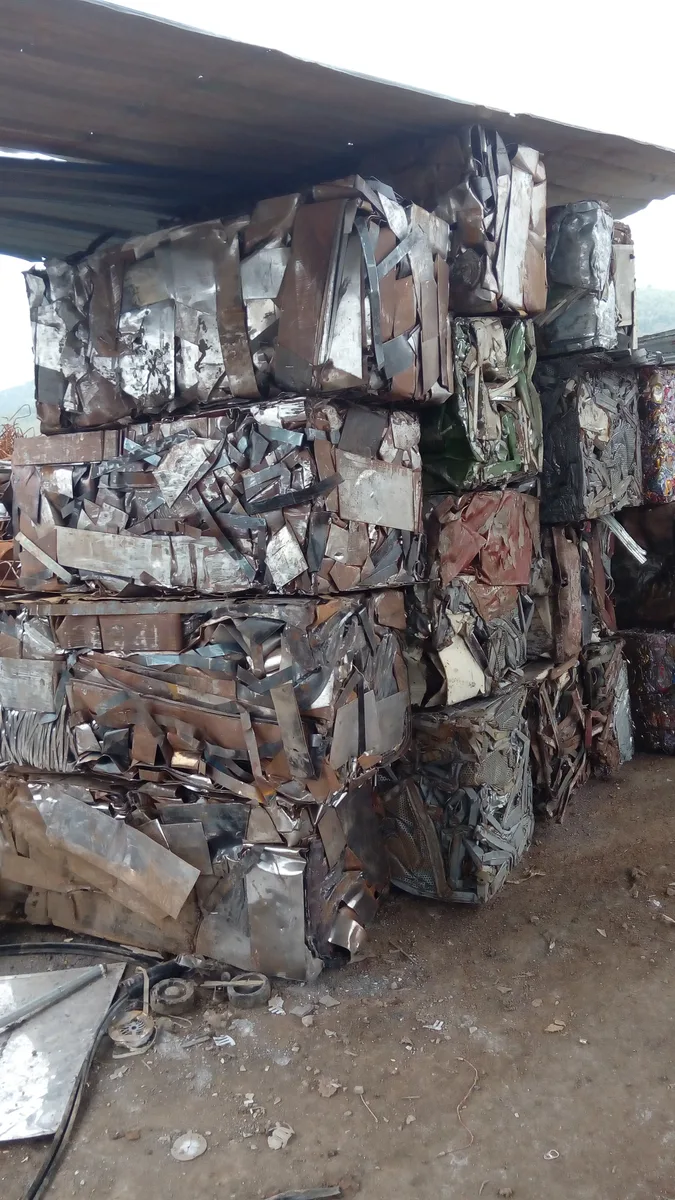
Light-Gauge Ferrous Scrap Baling
Practical sorting, preparation and equipment-selection guidance for light-gauge ferrous scrap, supported by representative material photos.
Read application guide ↗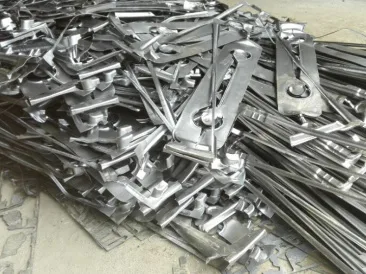
Stamping Steel Scrap Baling & Recycling
Practical sorting, preparation and equipment-selection guidance for stamping steel scrap, supported by representative material photos.
Read application guide ↗07 / QUESTIONS & SUPPORT
Product questions,
answered.
Frequently Asked Questions
Delivery scope, technical support and frequently asked questions.
Frequently asked questions
Does the application include heavy plate and structural sections?
No blanket approval is given. This page addresses prepared light-sheet service-center scrap; heavier or different forms require a separate equipment assessment.
Why keep order or coil identities with scrap?
They can help preserve the grade and finish information required by the recycler and support investigation of an unexpected mixed batch.
Can mixed thicknesses be assessed by their average?
No. Provide the actual thicknesses, dimensions and proportions. The mixed-gauge guidance explains the need to review the real feed combination.
Is automatic sorting included?
No automated sorting or identification system is established. Container labels and any associated software or handling system must be planned separately.
What should an acceptance record include?
Record material identity, preparation, machine configuration, loading method, observed bale condition and collection behavior. Add measured weights where the approved process requires them.
How should a new scrap specification be introduced?
Hold it for supplier and receiver review, update the accepted-material record and confirm the handling procedure before it enters routine baling.
Equipment Recommendation
Tell Us About Your Material and Capacity
Share the key operating conditions below so our team can compare suitable equipment and prepare a practical configuration.