
Metal Balers
Heavy Duty Baler for Metal Scrap with Twin Main Cylinders
HBK twin-cylinder baling with practical feed acceptance guidance
HBK horizontal hydraulic baler with twin main cylinders and grab-out collection for prepared steel sheet and plate offcuts. Plan material acceptance before the first charge.
PRODUCT VIDEO
Heavy Duty Baler for Metal Scrap with Twin Main Cylinders video
01 / PRODUCT DESCRIPTION
Plan material acceptance before the first charge
Connect equipment selection with the actual working conditions.
Plan material acceptance before the first charge
HBK family guidance for prepared steel sheet and plate offcuts. Confirm the selected machine and application before ordering.
The HBK heavy duty baler uses twin main cylinders in a horizontal hydraulic arrangement, with grab-out collection of the formed bale. Its application here is prepared steel sheet and plate offcuts. Before comparing equipment, define which pieces will enter the agreed feed stream and which require further preparation. This gives the machine review a practical starting point and helps avoid treating a broad scrap description as a material specification.
Each title describes the same HBK product family, not a separate hardware model. Final configuration and material suitability require review together. Use the selected machine specification and operating instructions for the actual installation.
02 / MATERIALS & OUTPUT
Prepared steel sheet and plate offcuts
Define material properties, shape and upstream preparation.
Build the feed description around normal deliveries from production. Record grade where known, thickness range, maximum piece dimensions, and whether the offcuts arrive flat, curled, nested or mixed together. Include photographs of the container as well as individual pieces. Note coatings, contamination or attached components for review rather than assuming they are acceptable because the main material is steel.
Related preparation guidance is available in the light-gauge ferrous scrap guide and stamping steel scrap guide. These references provide context; they do not extend this application to every metal form or replace confirmation of the proposed feed.
03 / STRUCTURE & FEATURES
Equipment features.
HBK architecture and selected configuration
Confirm the family architecture and project-specific supply scope.
The twin-main-cylinder architecture identifies the HBK family. Heavy-duty wording does not establish a universal allowance for hard, thick or oversized scrap. The selected chamber, controls and handling interfaces need to suit the reviewed feed. Construction steel and wear-plate details describe machine components; they should not be interpreted as allowable scrap thickness or evidence that a particular grade can be processed without preparation.
04 / WORKING PRINCIPLE
Operating and assessment guidance
Coordinate loading, compression and collection under the approved procedure.
Create a receiving check that separates accepted offcuts from material awaiting review. Agree where unsuitable pieces will be held and how approved preparation will take place before loading. Use the selected machine procedure for charging, compression and grab-out collection. When a batch differs from the agreed description, stop its introduction into the feed stream and resolve the difference instead of improvising at the chamber.
Only trained personnel should operate the machine under its instructions and the site procedure. Keep people clear of the chamber and moving equipment. Service work, fault intervention and blockage removal require authorized isolation of all energy sources; never enter or clear the chamber while it can operate.
05 / TECHNICAL REFERENCE
HBK specifications and selection
Source-backed series attributes require configuration confirmation.
| Mechanical attribute | HBK series reference / option |
|---|---|
| Feeding alternatives | Grabber or manual, subject to the specified installation |
| Wear plate replacement | Interchangeable |
| Control options | PLC automatic or manual control, according to configuration |
| Wear-plate material options | NM450 or Hardox450, according to configuration |
| Drive | Hydraulic drive |
| Layout | Horizontal |
The parameter table presents six selected, source-backed HBK series attributes. Confirm the final configuration against the actual prepared offcuts, utilities, loading and collection arrangements, and required bale condition. A selection of source attributes is not proof of a separate model or a jointly validated set of numerical ratings.
06 / SOLUTIONS & CUSTOMER CASES
Plan the complete process.
RELATED NEWS
News & buying guides
Scrap Metal Baler Throughput: How to Plan Real Production
Plan baler capacity around saleable output per working hour, including loading and discharge. A nominal press cycle is only one part of the production picture.
Read details ↗Buying a Scrap Metal Baler: What to Include in Your RFQ
A useful scrap metal baler quotation starts with representative scrap, the buyer’s bale specification and a complete handling plan. Use this checklist to compare proposals on the same basis.
Read details ↗APPLICATIONS
Material preparation guides
These are related material guides. Follow each guide’s feedstock limits; a related material is not automatically approved for every machine configuration.
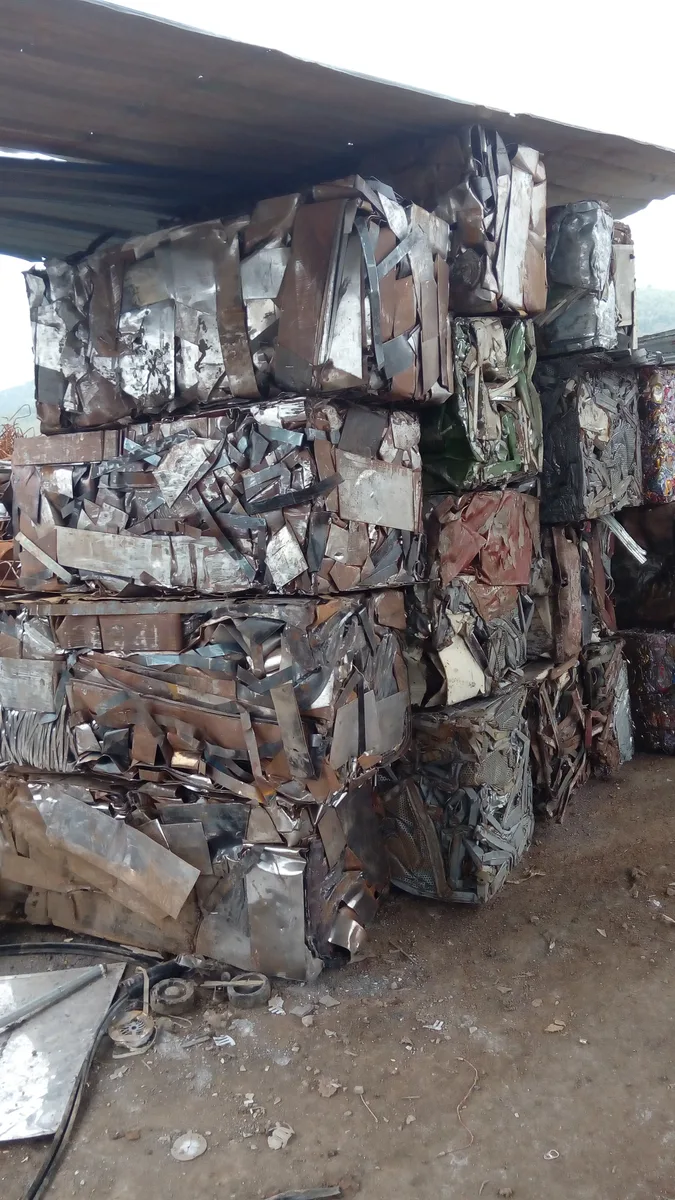
Light-Gauge Ferrous Scrap Baling
Practical sorting, preparation and equipment-selection guidance for light-gauge ferrous scrap, supported by representative material photos.
Read application guide ↗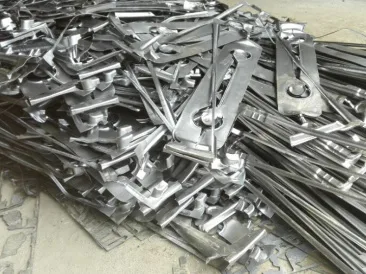
Stamping Steel Scrap Baling & Recycling
Practical sorting, preparation and equipment-selection guidance for stamping steel scrap, supported by representative material photos.
Read application guide ↗07 / QUESTIONS & SUPPORT
Product questions,
answered.
HBK application questions
Six practical answers for this application review.
What should a feed acceptance description contain?
Describe the prepared material, including grade if known, thickness range, maximum dimensions and normal piece shapes. State which upstream preparation has already occurred. Identify exceptions separately. A clear acceptance description allows the application review to address the material actually loaded, rather than an average batch that omits difficult pieces.
Can construction plate data define the scrap thickness limit?
No. Construction plate data concerns the machine structure. It does not establish the maximum thickness of scrap that may be loaded. Ask for application-specific confirmation for the actual offcuts and selected configuration, and keep construction information separate from the agreed material limits in the equipment specification.
How should unusual pieces be handled before loading?
Keep them outside the approved feed stream until their suitability or preparation route has been confirmed. Do not use chamber access as an opportunity to bend, push or reposition unsuitable pieces by hand. Use the site procedure and the instructions for the selected loading arrangement to resolve the issue safely.
Does one photograph provide enough information for selection?
A photograph is useful, but it may conceal nested sheets or the largest pieces within a pile. Add dimensions, thickness information and photographs of representative individual offcuts. The stamping steel scrap guide provides preparation context, while the final assessment must still use the actual material proposed for your machine.
What should be checked when the production job changes?
Compare the new offcuts with the agreed material description, including dimensions, thickness, grade and the way pieces accumulate. Review any changed contamination or preparation requirements. A familiar collection container does not mean its contents remain equivalent to the material used during selection, so document meaningful differences before processing.
How can I prepare an enquiry around accepted feed?
Use the quotation checklist to collect the material description, incoming quantities, working hours, bale requirements and site utilities. Include photographs and the proposed loading and collection equipment. Then contact Dershan to review a consistent configuration and identify any material questions that still require confirmation.
Equipment Recommendation
Tell Us About Your Material and Capacity
Share the key operating conditions below so our team can compare suitable equipment and prepare a practical configuration.