
Horizontal hydraulic layout: HBK combines a charging chamber with twin-main-cylinder compression and grab-out bale collection. Confirm the final hydraulic sequence in the selected machine documentation.
Metal Balers
Heavy Duty Hydraulic Baler with Dual Main Cylinders
HBK twin-main-cylinder compression with duty-specific hydraulic planning
Heavy Duty Hydraulic Baler with Dual Main Cylinders from the HBK family, with horizontal hydraulic compression, twin main cylinders and grab-out handling for assessed steel offcuts.
HBK familyTwin main cylindersHydraulic compressionGrab-out bale handling
Suitable materials
PRODUCT VIDEO
Heavy Duty Hydraulic Baler with Dual Main Cylinders video
01 / PRODUCT DESCRIPTION
Hydraulic equipment selection with HBK
An application-focused presentation of the HBK baler family.
Hydraulic equipment selection with HBK
HBK family guidance for prepared steel sheet and plate offcuts. Confirm the selected machine and application before ordering.
The Heavy Duty Hydraulic Baler with Dual Main Cylinders is part of the HBK horizontal baler family. Hydraulic compression uses a twin-main-cylinder arrangement, and completed bales are handled by grab-out collection. This page addresses prepared steel sheet and plate offcuts and the information needed to specify hydraulic duty. The heavy duty title describes the equipment category, not a guarantee that every thick or oversized scrap item is suitable.
Hydraulic selection should follow the material and work schedule. Describe the expected operating hours, loading pattern and site conditions, then confirm the proposed components and maintenance access in the technical offer. Cylinder count alone does not establish compression force, motor power, energy consumption or the time required to process a particular batch.
02 / MATERIALS & OUTPUT
Prepared Steel Sheet and Plate Offcuts
Define the feedstock before specifying the machine.
Submit representative steel sheet and plate offcuts with their grade, thickness, maximum dimensions and surface condition. Distinguish material thickness from the thickness of steel used to construct the machine. Structural plate information cannot be used as an allowable feed limit. Pieces must be prepared and approved for the selected charging chamber and compression arrangement before entering the operating workflow.
Describe whether the stream contains relatively uniform blanks or irregular offcuts with varying shapes. Provide photographs that show scale and the way the material accumulates before loading. If material changes between shifts, record those changes in the proposal request so the operating assessment is based on the intended range of feed.
03 / STRUCTURE & FEATURES
Equipment features.
Twin Main Cylinders and Configuration
Confirm controls, wear components and handling interfaces.
Control selection: the series source lists PLC automatic or manual control. Optional remote control requires explicit confirmation in the supply scope.
Wear components: the source identifies interchangeable wear steel plates and NM450 or Hardox450 alternatives. Confirm the selected material and replacement details in the proposal.
Handling interfaces: specify approved loading and bale collection equipment, operating clearances and protected work areas. A grab-out designation does not establish an included crane.
Review guards, interlocks, emergency stops and maintenance access with the final configuration. Product illustrations and a series-level feature list do not replace machine-specific operating instructions or installation documentation.
04 / WORKING PRINCIPLE
Loading, Compression and Grab-out Collection
Plan the complete approved operating sequence.
Prepare: sort approved offcuts, check dimensions and exclude batteries, sealed or pressurized containers and hazardous contamination.
Load: use the approved feeding method with personnel outside the operating zone.
Compress: operate the documented hydraulic sequence under the selected control arrangement.
Collect: remove the bale using suitable grab-out handling equipment and the designated route.
Reset: complete the prescribed checks before the next charge.
Only trained personnel should operate the equipment. Follow the machine manual and site isolation procedures for inspection, clearing obstructions or maintenance, including stored hydraulic energy. Never reach into the chamber or attempt to reposition material during operation.
05 / TECHNICAL REFERENCE
HBK Series Parameters and Selection
Selected source attributes require a model-specific proposal.
The table presents selected HBK series attributes, not a complete model specification. Confirm the final combination, material limits, chamber dimensions, force, power and bale requirements in the technical proposal. Numerical output and bale properties require defined feedstock and operating conditions.
| Mechanical attribute | HBK series reference / option |
|---|---|
| Feeding alternatives | Grabber or manual, subject to the specified installation |
| Remote control | Optional |
| Bale discharge | Grab-out |
| Wear-plate material options | NM450 or Hardox450, according to configuration |
| Drive | Hydraulic drive |
| Control options | PLC automatic or manual control, according to configuration |
06 / SOLUTIONS & CUSTOMER CASES
Plan the complete process.
RELATED NEWS
News & buying guides
Scrap Metal Baler Throughput: How to Plan Real Production
Plan baler capacity around saleable output per working hour, including loading and discharge. A nominal press cycle is only one part of the production picture.
Read details ↗Buying a Scrap Metal Baler: What to Include in Your RFQ
A useful scrap metal baler quotation starts with representative scrap, the buyer’s bale specification and a complete handling plan. Use this checklist to compare proposals on the same basis.
Read details ↗APPLICATIONS
Material preparation guides
These are related material guides. Follow each guide’s feedstock limits; a related material is not automatically approved for every machine configuration.
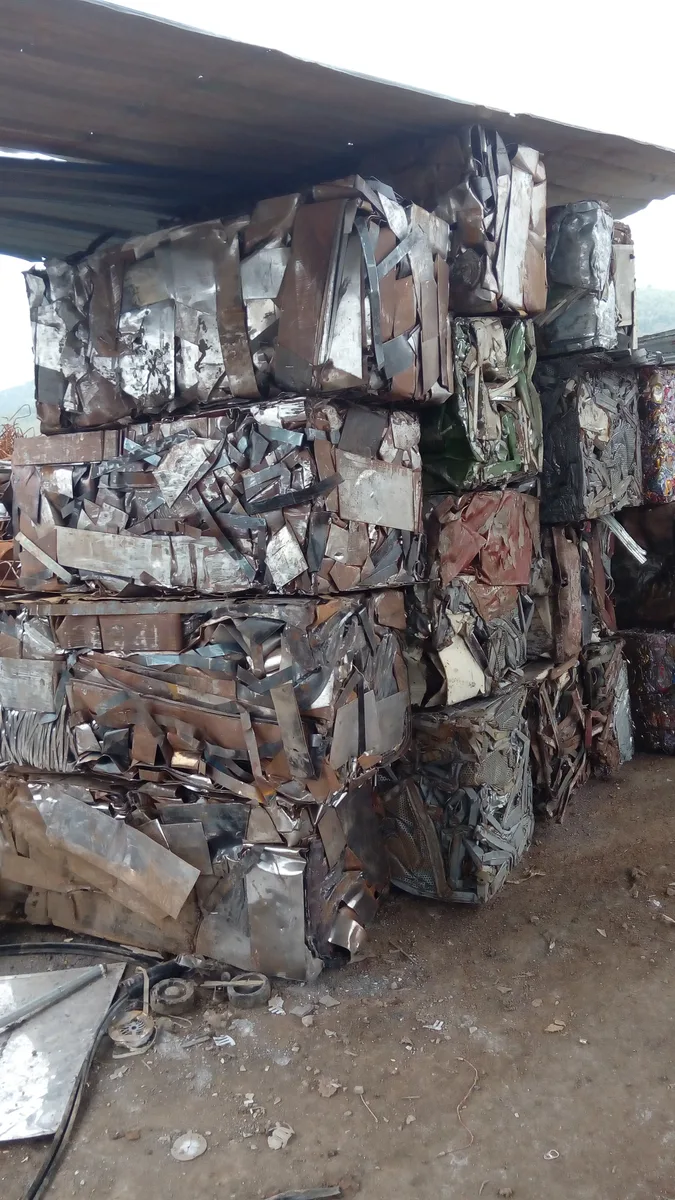
Light-Gauge Ferrous Scrap Baling
Practical sorting, preparation and equipment-selection guidance for light-gauge ferrous scrap, supported by representative material photos.
Read application guide ↗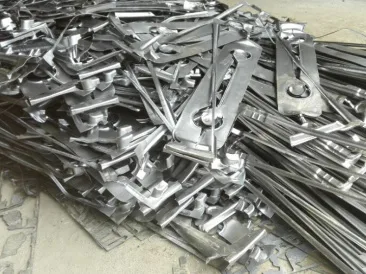
Stamping Steel Scrap Baling & Recycling
Practical sorting, preparation and equipment-selection guidance for stamping steel scrap, supported by representative material photos.
Read application guide ↗07 / QUESTIONS & SUPPORT
Product questions,
answered.
HBK Selection Questions
Six practical answers for the project review.
Does a heavy duty title define hydraulic force or feed thickness?
No. Confirm force and material limits in the model-specific technical proposal. Machine construction plate thickness is not a scrap thickness rating. Use the quotation checklist to describe actual offcuts, operating hours and required bale characteristics before selecting a configuration.
Which scrap materials does this page cover?
The scope is prepared steel sheet and plate offcuts, subject to material and configuration review. Submit grade, dimensions, thickness and contamination details. The light-gauge ferrous scrap guide provides related application information without establishing the allowable limits of a selected HBK model.
Do dual and twin main cylinders identify different HBK models?
Here, dual and twin both describe two main cylinders in the HBK compression arrangement. These title terms do not establish different hardware, force ratings or production capacities. Confirm the actual machine configuration and operating sequence in the project-specific specification.
Can the demonstration video establish production capacity?
The linked HBK video is identified with twin main cylinders and thin sheet or steel plate scrap. It is contextual product material, not a documented acceptance test. Confirm output using representative feed, complete operating time and the agreed loading and collection methods; do not infer numerical ratings from the video.
What routine hydraulic checks should be planned?
Follow the selected machine's operating and maintenance manual for checks of guards, hydraulic connections, wear surfaces and controls. Stop and report abnormal conditions through the site procedure. Servicing or blockage removal requires authorized isolation of all energy sources. Ask Dershan about model-specific inspection requirements when confirming the equipment.
What should I send for an HBK selection review?
Send material photographs, grade, maximum dimensions and thickness, typical shift quantities, intended operating hours and receiving bale requirements. Include electrical supply information and a site layout with loading and collection equipment. Contact DSBale to review the material and proposed installation before agreeing model-specific specifications.
Equipment Recommendation
Tell Us About Your Material and Capacity
Share the key operating conditions below so our team can compare suitable equipment and prepare a practical configuration.
✓ Material & Capacity Review✓ Configuration Recommendation✓ Pricing & Lead-Time Inquiry