
Metal Balers
Hydraulic Metal Scrap Baler with Twin Main Cylinders
HBK hydraulic baling with coordinated loading and collection
The HBK hydraulic metal scrap baler uses twin main cylinders in a horizontal arrangement, with grab-out collection of the formed bale. Review the whole hydraulic baling cycle.
PRODUCT VIDEO
Hydraulic Metal Scrap Baler with Twin Main Cylinders video
01 / PRODUCT DESCRIPTION
Review the whole hydraulic baling cycle
Match the family configuration to the complete working arrangement.
Review the whole hydraulic baling cycle
HBK family guidance for prepared steel sheet and plate offcuts. Confirm the selected machine and application before ordering.
The HBK hydraulic metal scrap baler uses twin main cylinders in a horizontal arrangement, with grab-out collection of the formed bale. This application covers prepared steel sheet and plate offcuts. A useful operating plan connects material preparation, charging, compression and bale collection, so that equipment selection reflects the complete job rather than one movement of the hydraulic system.
HBK is a product family, not a fixed numerical specification. The exact supplied machine, control arrangement and handling interfaces should be confirmed together. Equipment and material photographs are references; they do not establish measured production results or permissible feed limits. Keep the agreed feed description and bale requirements available when reviewing configuration details with Dershan.
02 / MATERIALS & OUTPUT
Prepared steel sheet and plate offcuts
Document the material in the form presented for loading.
Describe the material as it reaches the charging area. Include normal piece dimensions, thickness variation, grade when known and the proportions of flat, curled or irregular offcuts. If material comes from several production operations, identify which streams are proposed for combined processing. A photograph of a loose pile should be accompanied by representative individual-piece information, especially where nested sheets conceal larger pieces.
The light-gauge ferrous scrap guide and stamping steel scrap guide provide related preparation context. Confirm suitability for the selected machine before introducing unfamiliar scrap, and keep material awaiting approval separate from the agreed charging stream.
03 / STRUCTURE & FEATURES
Equipment features.
HBK architecture and configuration
Confirm the selected machine and handling interfaces together.
Twin main cylinders identify the HBK compression architecture. They do not define an hourly production rate or establish how the hydraulic sequence is controlled on every supplied machine. Confirm the selected control arrangement and the interfaces with loading and collection equipment. Grab-out handling also requires agreement on the equipment used to collect the bale and where that bale will be placed.
04 / WORKING PRINCIPLE
Operating sequence and site coordination
Coordinate preparation, compression and bale collection.
Prepare the feed according to the agreed material limits, then load using the specified method. Run compression under the selected controls and collect the bale using the approved handling arrangement. Assess the time needed for each stage under ordinary working conditions. When recording an interruption, distinguish material preparation, waiting for collection equipment and a machine fault, because each requires a different remedy.
Only trained personnel should operate the selected machine using its instructions and the site procedure. Keep people clear of the chamber and moving equipment. Service work and blockage removal require authorized isolation of all energy sources; never enter or clear a chamber while the equipment can operate.
05 / TECHNICAL REFERENCE
HBK specifications and selection
Source-backed attributes require application-specific confirmation.
| Mechanical attribute | HBK series reference / option |
|---|---|
| Bale discharge | Grab-out |
| Layout | Horizontal |
| Wear plate replacement | Interchangeable |
| Control options | PLC automatic or manual control, according to configuration |
| Construction steel | Q235B; machine construction steel |
| Wear-plate material options | NM450 or Hardox450, according to configuration |
The table will present selected source-backed HBK series attributes. Confirm the final configuration against representative prepared offcuts, site utilities, loading and collection arrangements, and the required bale condition. A displayed selection of attributes does not establish a separate model or a jointly validated set of numerical ratings.
06 / SOLUTIONS & CUSTOMER CASES
Plan the complete process.
RELATED NEWS
News & buying guides
Scrap Metal Baler Throughput: How to Plan Real Production
Plan baler capacity around saleable output per working hour, including loading and discharge. A nominal press cycle is only one part of the production picture.
Read details ↗Buying a Scrap Metal Baler: What to Include in Your RFQ
A useful scrap metal baler quotation starts with representative scrap, the buyer’s bale specification and a complete handling plan. Use this checklist to compare proposals on the same basis.
Read details ↗APPLICATIONS
Material preparation guides
These are related material guides. Follow each guide’s feedstock limits; a related material is not automatically approved for every machine configuration.
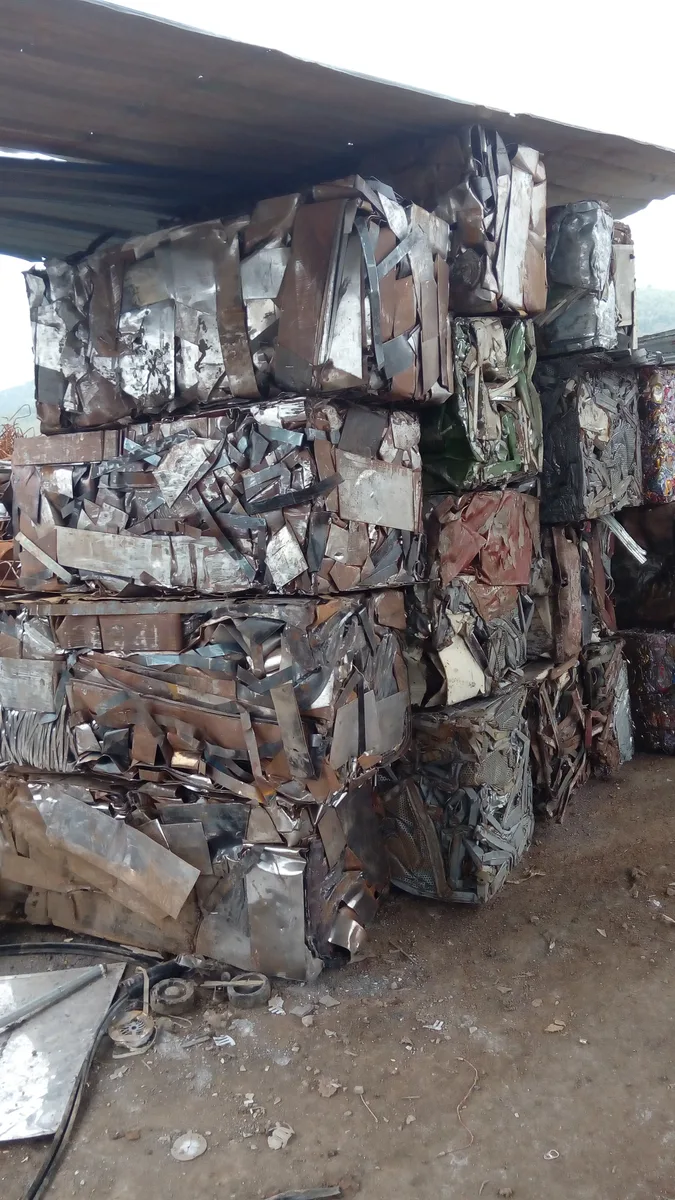
Light-Gauge Ferrous Scrap Baling
Practical sorting, preparation and equipment-selection guidance for light-gauge ferrous scrap, supported by representative material photos.
Read application guide ↗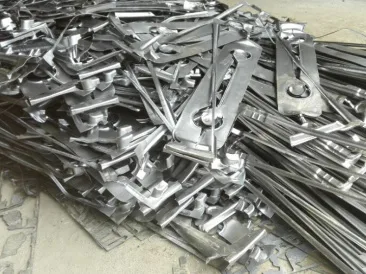
Stamping Steel Scrap Baling & Recycling
Practical sorting, preparation and equipment-selection guidance for stamping steel scrap, supported by representative material photos.
Read application guide ↗07 / QUESTIONS & SUPPORT
Product questions,
answered.
HBK application questions
Six practical answers for selecting and using the HBK family.
What belongs in a complete baling-cycle assessment?
Include feed preparation where it forms part of the proposed job, charging, compression and grab-out collection. Define the start and end of the observation period before comparing results. The baler throughput planning guide explains why an isolated hydraulic movement does not establish accepted output over a working shift.
Do twin cylinders mean two independent baling stations?
No. Twin main cylinders describe the HBK compression arrangement. This title does not establish two charging chambers, independently operating stations or a duplicated production line. Ask for the selected machine layout and operating sequence when reviewing how the equipment will fit into the proposed scrap-handling process.
How should changing sheet-scrap mixtures be described?
Record the typical mix and the changes that occur between production jobs. Include photographs and piece dimensions for the less convenient material as well as normal batches. The stamping steel scrap guide provides application context, but the proposed mixture still needs review against the selected HBK specification.
Which handling equipment needs to be included in the enquiry?
Identify the equipment proposed for loading and bale collection, its working area and whether it is shared with other activities. Confirm responsibility for supplying it. The grab-out arrangement does not establish that a grabber, crane or other handling equipment is included with every HBK quotation.
Can a no-load cycle be used as a production promise?
A no-load movement does not represent a complete material-processing cycle. Prepared offcuts, loading practice, the required bale condition and collection availability affect the working sequence. Use clearly stated conditions and representative material when reviewing production expectations, rather than converting an isolated movement time into a guaranteed output.
What should I send before requesting a configuration?
Provide material photographs, grade if known, thickness and piece dimensions, working hours, expected incoming quantities and required bale condition. Include utilities and handling arrangements. Use the scrap metal baler quotation checklist to organize the enquiry, then contact Dershan to review the selected configuration and supply scope.
Equipment Recommendation
Tell Us About Your Material and Capacity
Share the key operating conditions below so our team can compare suitable equipment and prepare a practical configuration.