
Metal Balers
Industrial Baler for Scrap Metal with Twin Main Cylinders
HBK industrial baling with collection routes and space planning
HBK horizontal hydraulic baler with twin main cylinders and grab-out collection for prepared steel sheet and plate offcuts. Fit sheet-scrap baling into the industrial work area.
PRODUCT VIDEO
Industrial Baler for Scrap Metal with Twin Main Cylinders video
01 / PRODUCT DESCRIPTION
Fit sheet-scrap baling into the industrial work area
Connect equipment selection with the actual working conditions.
Fit sheet-scrap baling into the industrial work area
HBK family guidance for prepared steel sheet and plate offcuts. Confirm the selected machine and application before ordering.
The HBK industrial baler for scrap metal uses twin main cylinders in a horizontal hydraulic arrangement, with grab-out collection of the formed bale. This page covers prepared steel sheet and plate offcuts. For an industrial installation, the selection review should include the route into the charging area and the route out to bale storage, as well as the machine itself.
Each title describes the same HBK product family, not a separate hardware model. Final configuration and material suitability require review together. Use the selected machine specification and operating instructions for the actual installation.
02 / MATERIALS & OUTPUT
Prepared steel sheet and plate offcuts
Define material properties, shape and upstream preparation.
Identify which production areas generate the offcuts and how they reach the baler. Describe the prepared pieces, thickness variation and maximum dimensions, together with the usual container or pile arrangement. A material description should include the less convenient pieces regularly encountered. Where different sources have different preparation or downstream acceptance requirements, keep those distinctions visible instead of grouping them under one general scrap label.
Related preparation guidance is available in the light-gauge ferrous scrap guide and stamping steel scrap guide. These references provide context; they do not extend this application to every metal form or replace confirmation of the proposed feed.
03 / STRUCTURE & FEATURES
Equipment features.
HBK architecture and selected configuration
Confirm the family architecture and project-specific supply scope.
The horizontal HBK layout and grab-out collection method require coordination with the surrounding handling arrangement. Confirm reach, access and suitability for the selected equipment rather than assuming a generic site sketch is sufficient. Reserve the inspection and service access specified for the actual machine. The product title does not establish an included crane, conveyor, integrated line or a fixed installation footprint.
04 / WORKING PRINCIPLE
Operating and assessment guidance
Coordinate loading, compression and collection under the approved procedure.
Trace incoming offcuts from storage to the loading position, then trace the formed bale to its designated destination. Identify vehicle crossings and areas shared with other work. Include any periods when handling equipment is unavailable because it is serving another process. Use this ordinary arrangement when reviewing production expectations, and keep the proposed bale storage area from obstructing the access needed for safe operation and service.
Only trained personnel should operate the machine under its instructions and the site procedure. Keep people clear of the chamber and moving equipment. Service work, fault intervention and blockage removal require authorized isolation of all energy sources; never enter or clear the chamber while it can operate.
05 / TECHNICAL REFERENCE
HBK specifications and selection
Source-backed series attributes require configuration confirmation.
| Mechanical attribute | HBK series reference / option |
|---|---|
| Control options | PLC automatic or manual control, according to configuration |
| Remote control | Optional |
| Bale shape reference | Square / cube; confirm selected dimensions |
| Drive | Hydraulic drive |
| Layout | Horizontal |
| Feeding alternatives | Grabber or manual, subject to the specified installation |
The parameter table presents six selected, source-backed HBK series attributes. Confirm the final configuration against the actual prepared offcuts, utilities, loading and collection arrangements, and required bale condition. A selection of source attributes is not proof of a separate model or a jointly validated set of numerical ratings.
06 / SOLUTIONS & CUSTOMER CASES
Plan the complete process.
RELATED NEWS
News & buying guides
Scrap Metal Baler Throughput: How to Plan Real Production
Plan baler capacity around saleable output per working hour, including loading and discharge. A nominal press cycle is only one part of the production picture.
Read details ↗Buying a Scrap Metal Baler: What to Include in Your RFQ
A useful scrap metal baler quotation starts with representative scrap, the buyer’s bale specification and a complete handling plan. Use this checklist to compare proposals on the same basis.
Read details ↗APPLICATIONS
Material preparation guides
These are related material guides. Follow each guide’s feedstock limits; a related material is not automatically approved for every machine configuration.
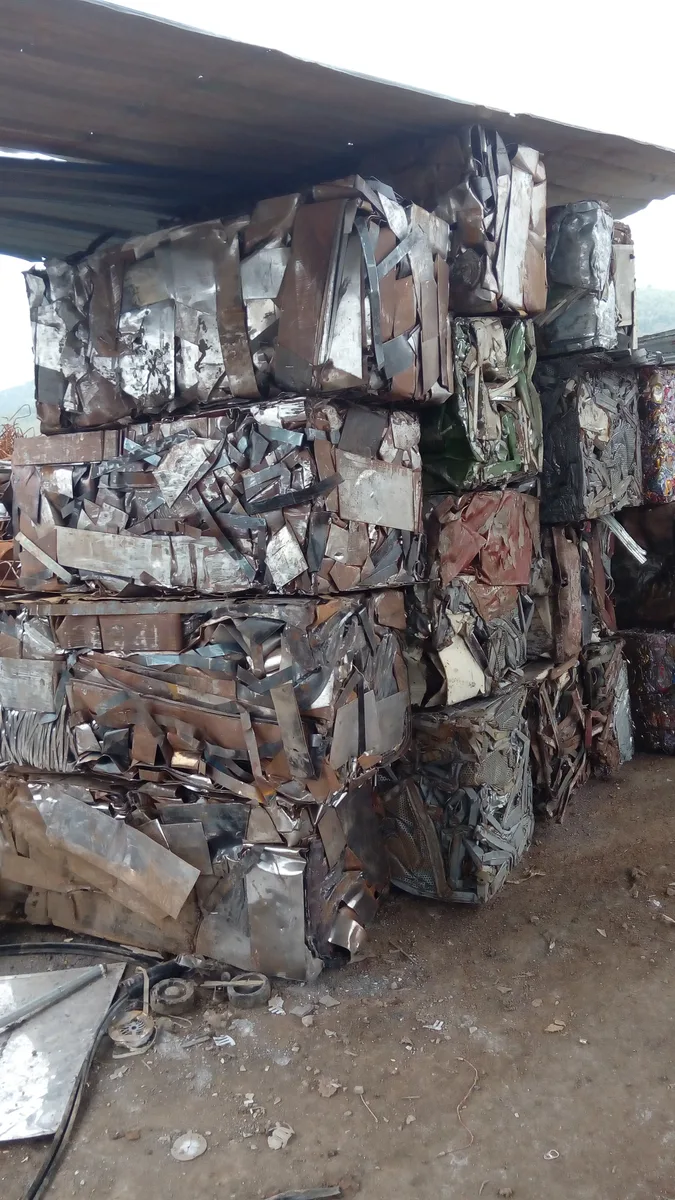
Light-Gauge Ferrous Scrap Baling
Practical sorting, preparation and equipment-selection guidance for light-gauge ferrous scrap, supported by representative material photos.
Read application guide ↗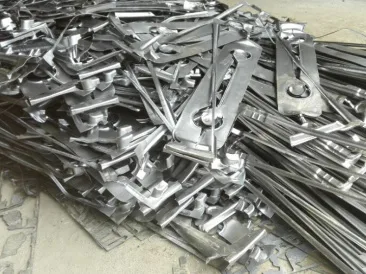
Stamping Steel Scrap Baling & Recycling
Practical sorting, preparation and equipment-selection guidance for stamping steel scrap, supported by representative material photos.
Read application guide ↗07 / QUESTIONS & SUPPORT
Product questions,
answered.
HBK application questions
Six practical answers for this application review.
What information belongs in an industrial site layout?
Show the proposed baler position, incoming scrap route, loading position, bale collection route and destination. Identify surrounding activities and access restrictions. The selected machine and handling equipment still need their own confirmed installation requirements; a concept layout is a discussion aid, not an engineered foundation or lifting plan.
Is a horizontal floor description enough for installation?
No. The project needs installation requirements appropriate to the selected machine and site, including the relevant structural and utility considerations. A general source reference to horizontal cement ground does not provide an engineered foundation design or establish that an existing surface is suitable without the required assessment.
How should shared handling equipment be considered?
Record its other duties and the times when it may be unavailable for charging or collection. Include those normal constraints in the production assessment. The throughput planning guide helps distinguish equipment-cycle information from accepted output under the actual working arrangement, including ordinary waits and material-handling interruptions.
Can finished-bale storage be placed wherever space remains?
Plan the destination with the collection route, traffic arrangements and selected equipment requirements in mind. Do not let stored bales obstruct operating areas or service access. Confirm the approved handling and storage method for the actual bale and site instead of assuming that appearance alone establishes safe stacking or movement.
Which material information helps with layout planning?
Provide photographs and dimensions of the prepared offcuts, their usual collection containers and any upstream preparation steps. These details help explain how material will be presented for loading. The light-gauge ferrous scrap guide offers related preparation context, while the final arrangement must match the actual feed and selected handling equipment.
How do I discuss an existing work area with Dershan?
Send the material description, working hours, bale requirements and a clearly labeled layout showing access constraints and shared routes. Identify the equipment already available for loading and collection. Then contact Dershan to review the proposed HBK configuration and the installation information that needs further confirmation.
Equipment Recommendation
Tell Us About Your Material and Capacity
Share the key operating conditions below so our team can compare suitable equipment and prepare a practical configuration.