
Metal Balers
Side-Push Aluminum Can Baler
HBT side-push equipment selection for aluminum can
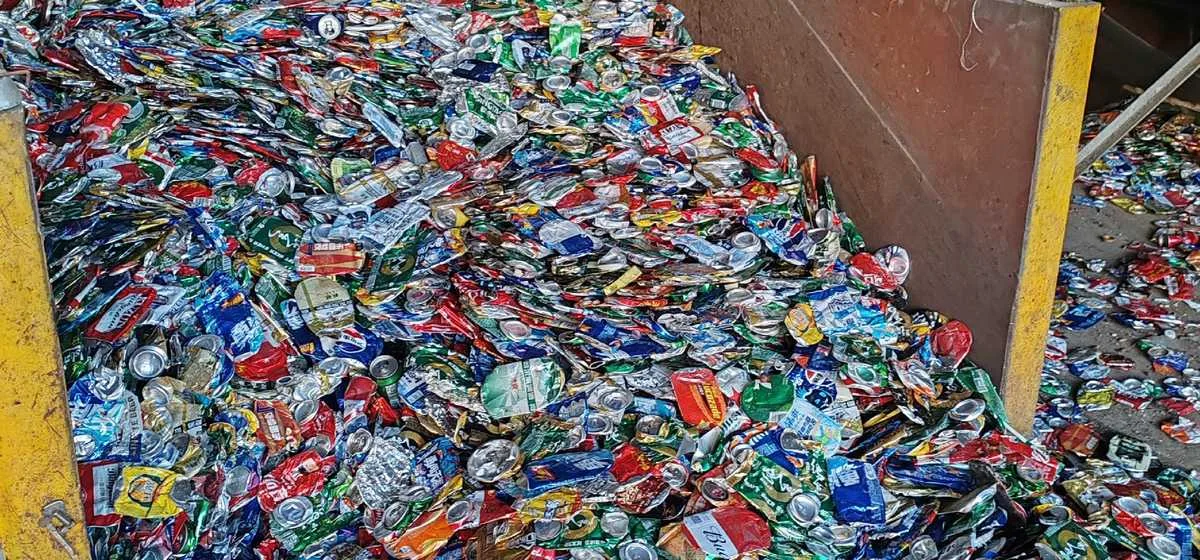
A Side-Push Aluminum Can Baler compacts suitable, prepared used beverage cans into rectangular bales for organized storage and collection. The HBT horizontal hydraulic arrangement pushes the finished bale sideways, allowing the receiving area to be planned beside the machine.
PRODUCT VIDEO
Side-Push Aluminum Can Baler video
01 / PRODUCT DESCRIPTION
Side-Push Aluminum Can Baler Overview
Material-specific equipment selection and practical boundaries.
Side-Push Aluminum Can Baler: Material Preparation and HBT Selection
Material-specific preparation, handling and configuration guidance for the HBT side-push machine family.
A Side-Push Aluminum Can Baler compacts suitable, prepared used beverage cans into rectangular bales for organized storage and collection. The HBT horizontal hydraulic arrangement pushes the finished bale sideways, allowing the receiving area to be planned beside the machine.
For a used beverage can, or UBC, recycling operation, selection begins with a defined feed stream: sorted aluminum beverage cans that are empty and prepared to the agreed receiving specification. Loose whole cans, previously flattened cans and contaminated mixed packaging do not automatically have the same loading behavior or production rate.
Review the HBT side push-out baler layout with the actual collection system, feeding method and bale-removal route. The machine configuration, acceptable feed and bale requirements should be confirmed together before making a production commitment.
02 / MATERIALS & OUTPUT
Material Preparation and Grade Control
Prepare a controlled feed before evaluating bale formation.
Keep aluminum beverage cans separate from steel cans, glass, plastic packaging and other unwanted items according to the receiving recycler’s requirements. Confirm how your operation identifies and removes contamination before it reaches the loading position. Baling does not perform this sorting step.
- Empty and drain: remove remaining contents through the approved collection procedure. Describe residual moisture and storage conditions when discussing the feed; do not promise that compression produces dry material.
- Exclude hazardous containers: aerosol cans, gas cylinders, batteries and sealed or pressurized items are not part of an ordinary UBC charge. Unknown containers require separate assessment rather than trial feeding.
- Define material form: explain whether cans arrive loose, flattened, bagged or mixed with other packaging. Confirm any preparation needed before loading.
Maintain the collection lot information required by the buyer. Food residue, non-aluminum material and other contamination can affect acceptance even when a bale looks compact. The buyer’s material specification should guide preparation, while the machine's operating instructions govern what can safely enter the chamber.
04 / WORKING PRINCIPLE
Side-Push Baling Workflow
Coordinate loading, compression, side ejection and removal.
Receive and sort the cans.
Inspect the collection stream and remove rejected material before creating a prepared feed lot. Keep uncertain containers separate.
Feed a controlled charge.
Use the loading arrangement specified for the installation. Monitor the actual bulk condition so the chamber receives a consistent, approved charge rather than an uncontrolled pile.
Compress the prepared material.
Run the selected hydraulic sequence with guards and interlocks in place. Never reach into the chamber to rearrange cans while movement is possible.
Push out and collect.
Maintain a protected receiving area at the side outlet and remove each bale with the agreed handling equipment. Check its condition and preserve any required lot identification.
Keep the work area clear of spilled cans and residues under the site's housekeeping plan. Cleaning, blockage removal and maintenance must follow the machine's isolation and stored-energy procedure. Do not assume a collection operation can run unattended simply because a control option offers automatic compression.
05 / TECHNICAL REFERENCE
Selected HBT Mechanical Properties
Five sourced properties for the HBT side-push configuration.
These attributes describe the HBT side-push equipment family. Options and site-specific arrangements must be confirmed in the selected technical configuration.
| Technical attribute | HBT reference |
|---|---|
| Bale discharge | Side push-out |
| Drive type | Hydraulic |
| Feeding arrangement | Manual or grabber, subject to the approved workflow |
| Machine layout | Horizontal |
| Model series | HBT |
Force, chamber dimensions, bale weight and production rate are not inferred from a material title. Confirm those values against representative feedstock and the agreed machine configuration.
Machine Selection and Acceptance
Specify the real feed, handling arrangement and acceptance criteria.
Provide photographs of a representative UBC lot, the expected contamination and moisture condition, the incoming material form and the amount collected during a normal operating period. Include the receiving buyer’s bale requirements, available electrical supply, loading arrangement and floor space beside the machine.
Compare practical output over a complete working period that includes feed preparation, loading, compression, side ejection and bale removal. A trial with unusually clean or prearranged cans may not represent the normal collection stream. Document the actual configuration and conditions behind any proposed production figure.
Compaction changes handling form; it does not remove coatings, establish chemical composition or guarantee a remelting yield. Ask the receiving recycler to confirm the applicable specification. Contact Dershan about your aluminum can stream to review a side-push arrangement around the real material and collection workflow.
06 / SOLUTIONS & CUSTOMER CASES
Plan the complete process.
RELATED NEWS
News & buying guides
Buying a Scrap Metal Baler: What to Include in Your RFQ
A useful scrap metal baler quotation starts with representative scrap, the buyer’s bale specification and a complete handling plan. Use this checklist to compare proposals on the same basis.
Read details ↗Scrap Metal Baler Throughput: How to Plan Real Production
Plan baler capacity around saleable output per working hour, including loading and discharge. A nominal press cycle is only one part of the production picture.
Read details ↗CUSTOMER CASES
Related project references
Each reference identifies its own equipment and project scope; it is not a test record for every material on this product page.

APPLICATIONS
Material preparation guides
These are related material guides. Follow each guide’s feedstock limits; a related material is not automatically approved for every machine configuration.
07 / QUESTIONS & SUPPORT
Product questions,
answered.
Frequently Asked Questions
Answers specific to this material and the side-push layout.
Can aerosol cans go into an aluminum beverage can baler?
No. Pressurized, sealed or unknown containers must be excluded from the ordinary beverage-can stream. Do not use appearance alone to decide whether a container is safe. Follow the approved collection and sorting procedure and keep hazardous items out of the loading area.
Should beverage cans be empty before baling?
Yes, prepare empty cans and drain remaining contents through the approved process. Describe residual moisture and contamination during machine selection. A baler should not be presented as a washing, drying or liquid-treatment system, and the receiving buyer may set additional material requirements.
Can the machine separate steel cans from aluminum cans?
No. Sorting must take place before the prepared charge enters the baler. State the allowed contamination level and confirm the receiving recycler’s requirements. Compressing mixed packaging into a bale does not turn it into an accepted aluminum beverage-can grade.
Is the output the same for whole and flattened cans?
Do not assume so. Incoming bulk condition, preparation and feeding affect the working cycle. Use representative feed in the equipment review and measure elapsed production with normal loading and collection. The material title alone cannot establish an hourly output.
Does baling improve aluminum remelting yield?
This page makes no remelting-yield claim. Baling organizes the material into a more compact handling form, but coatings, contamination, moisture and the downstream process still require assessment. Obtain acceptance requirements and any process-performance evidence from the relevant recycling operation.
How much space is needed for side bale discharge?
Use the selected machine drawing and handling plan to establish the receiving zone, removal route and maintenance access. Confirm bale dimensions and the equipment that will move them. Any rollers or conveyor must be included in the agreed scope rather than assumed from an illustration.
Equipment Recommendation
Tell Us About Your Material and Capacity
Share the key operating conditions below so our team can compare suitable equipment and prepare a practical configuration.